
ما هو المثبت؟ الأنواع والوظائف والاستخدامات الصناعية

Han Congming
الكاتبلدينا خبرة في تصنيع وبيع البراغي والمثبتات، وندير منشأة إنتاج خاصة بنا بقدرة إنتاجية مستقرة على نطاق واسع. نحن متخصصون في براغي الحفر الذاتي، وبراغي الجدران الجافة، وبراغي ألواح الخشب، والبراغي الميكانيكية، والمسامير، والمثبتات المخصصة لتطبيقات البناء والصناعة.
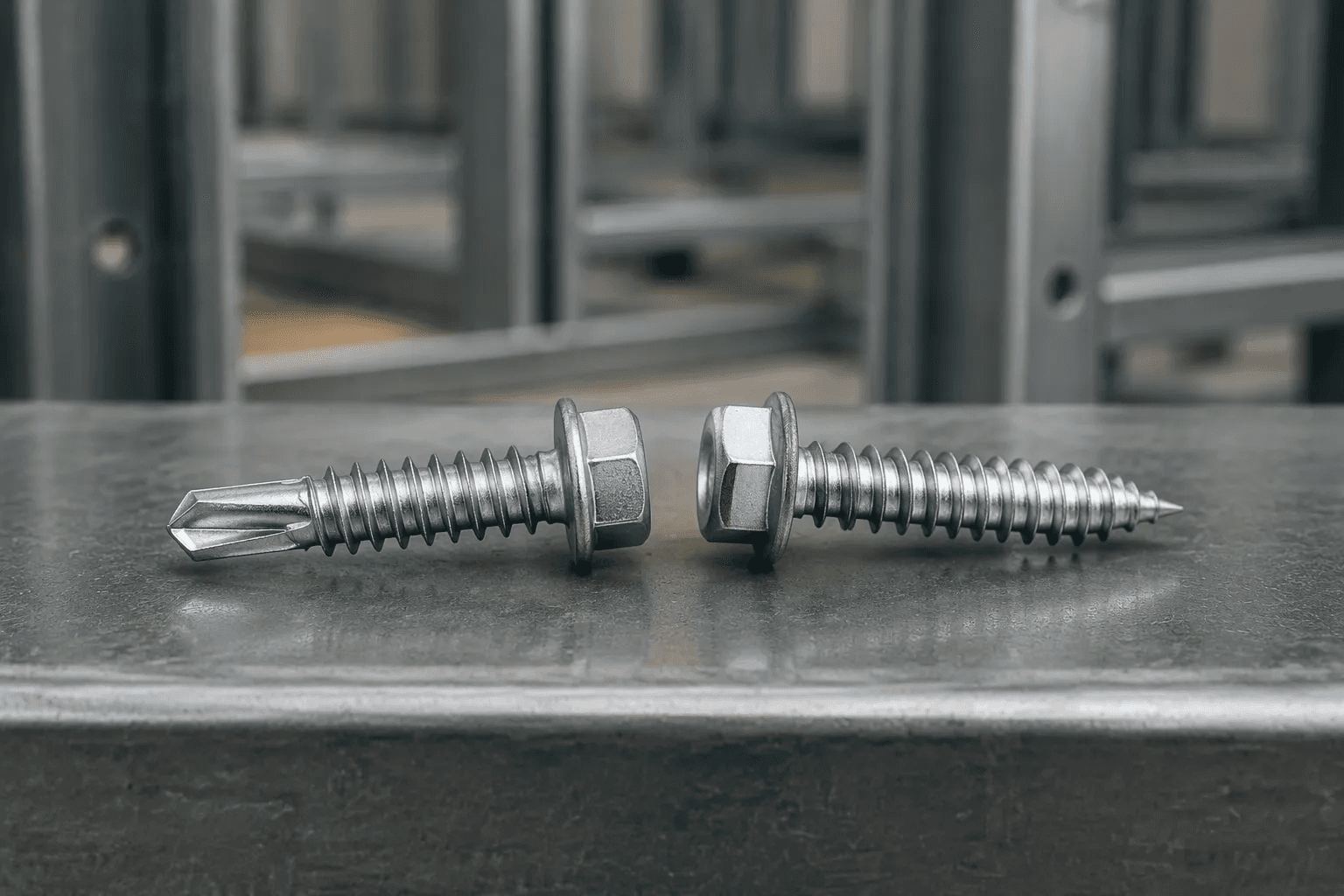
A fastener is a hardware component that mechanically joins or secures parts. Common examples include screws, bolts, nuts and rivets; washers are supporting components used in many fastening assemblies. Some connections can be dismantled by removing threaded fasteners, while others, such as riveted joints, normally require the fastener to be destroyed during removal. In industrial work, identifying a fastener means more than recognizing its shape. The useful questions are what it connects, how the connection carries load, and which dimensions, materials and installation conditions make it suitable. A roofing screw, a pipe-support U-bolt and a foundation anchor all secure parts, but they do different jobs.
What Are the Main Types of Fasteners?
The main types of fasteners and their uses are easier to understand when the connecting mechanism is separated from the product name. “Threaded” describes how components engage. “U-bolt” describes a form, while “anchor bolt” describes an application. These categories can overlap.
Threaded Fasteners: Screws, Bolts and Nuts
In a conventional bolted joint, a bolt passes through clearance holes and engages a separate nut. The bolt has an external thread, while the nut provides the matching internal thread. Together, they can clamp the connected parts between the bolt head and the nut.
A screw may engage an existing threaded hole or create a mating thread in suitable material. Machine screws, self-tapping screws and self-drilling screws therefore do not all require the same hole preparation. A pointed end is not a universal distinction between screws and bolts, and a hexagonal head alone does not establish how a fastener should be installed.
The practical starting point is the connection: does it use a separate nut, a tapped hole, or a thread made during installation? Product names help locate a family; the drawing and specification establish the exact part.
Common fasteners and supporting components
| Component | Main role in the connection | Typical industrial example |
|---|---|---|
| Bolt | Works with a mating thread, commonly a separate nut, to secure parts | Brackets and equipment assemblies |
| Nut | Provides the internal thread in a threaded assembly | Mating component for a bolt or threaded leg |
| Self-tapping screw | Forms or cuts a mating thread in suitable material | Prepared-hole sheet-metal assemblies |
| Self-drilling screw | Combines a drilling point with a threaded fastening section | Metal panels connected to a compatible supporting material |
| U-bolt | Uses a bent body and threaded legs to retain a component | Pipe-support assemblies |
| Cast-in anchor bolt | Connects an above-ground assembly to an embedded fixing | Equipment or column base connections |
| Flat washer | Provides a bearing surface under a bolt head or nut | Supporting component in a bolted joint |
These examples describe different roles, not interchangeable alternatives. A washer is not a replacement for a nut, and a screw suitable for one sheet-metal connection is not automatically suitable for a thicker support. The bolt category is a useful starting point when the assembly calls for a conventional bolt-and-nut connection.
U-Bolts and Anchor Bolts Are Application-Specific Forms
A U-bolt has a bent section and two threaded legs. Its shape allows it to pass around a component rather than through that component. A cast-in anchor bolt instead has an embedded section and an exposed threaded section for the above-ground connection. Both belong within the wider fastener family; neither is a separate category outside threaded fastening.
Non-Threaded Fasteners and the Role of Washers
Fasteners do not always have threads. Rivets create permanent connections, while pins can locate or retain components. A riveted connection is not normally dismantled by unscrewing the fastener, so maintenance access can influence which connection method is appropriate.
Washers need a separate explanation. A flat washer spreads contact over a bearing surface and can protect the material beneath a bolt head or nut. It does not create clamp force by itself and should not be assumed to prevent loosening. Its inside diameter, outside diameter, thickness and hardness affect whether it can perform its supporting role without interfering, bending or embedding excessively.
How Do Fasteners Hold Parts Together?
Thread Engagement and Clamping Work Together
Consider two plates joined by a bolt and nut. Once the bearing surfaces are seated, controlled tightening stretches the bolt and compresses the plates. The initial tensile force in the bolt is its preload; the corresponding compression holds the joint together. The thread is therefore part of a load path, not simply a spiral that stops the nut falling off.
In a properly designed preloaded joint, an external separating force reduces compression between the parts while increasing bolt load. The way that load is shared depends on the stiffness of the bolt and the connected parts. If the joint separates, its behavior changes. This is why installing the correct-looking bolt without the required tightening procedure does not establish that the connection is satisfactory.
Tightening torque and clamp force are not the same quantity. Friction at the threads and beneath the turning head or nut influences how much preload a given torque produces. Changing lubrication or coating can change that relationship. A torque value copied from another assembly is therefore not a universal installation instruction, even when the nominal bolt diameter is the same.
How Do Self-Tapping Screws Work?
Self-tapping screws form or cut a mating thread as they enter suitable material. In many metal applications, the hole is prepared first. Its diameter matters: an unsuitable hole can leave too little engagement or create excessive resistance during installation. “Self-tapping” describes thread creation, not an unlimited ability to drill through any substrate.
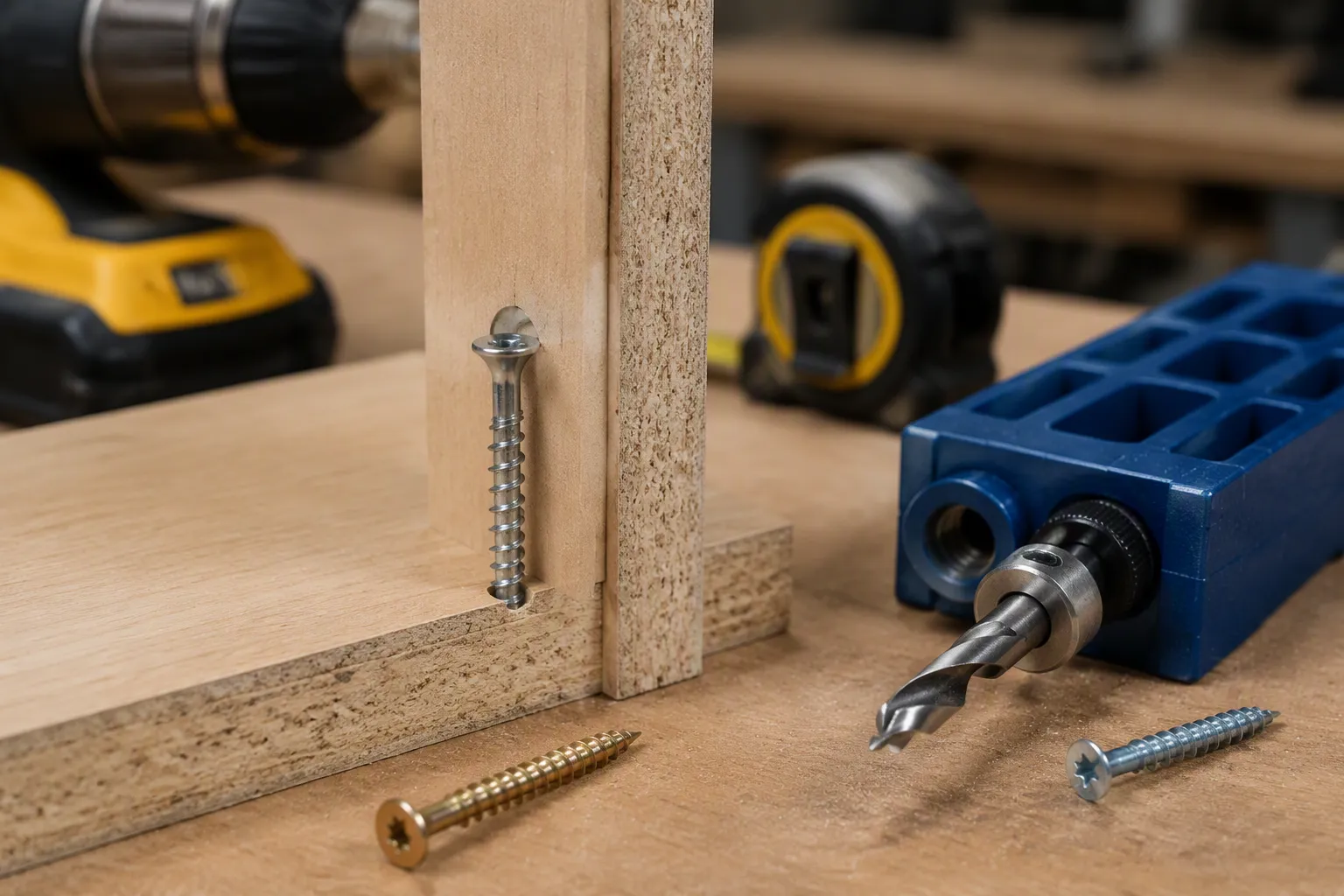
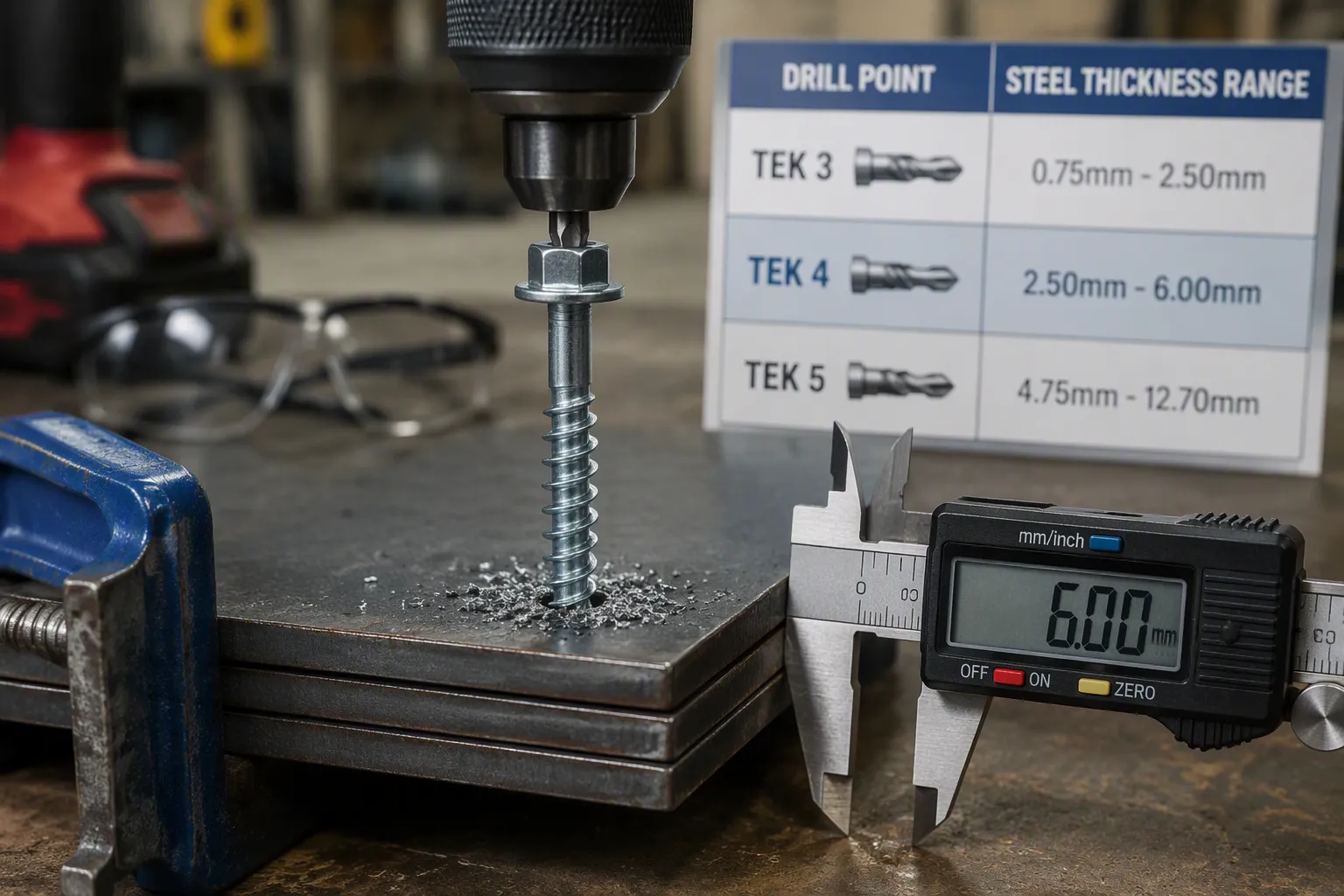
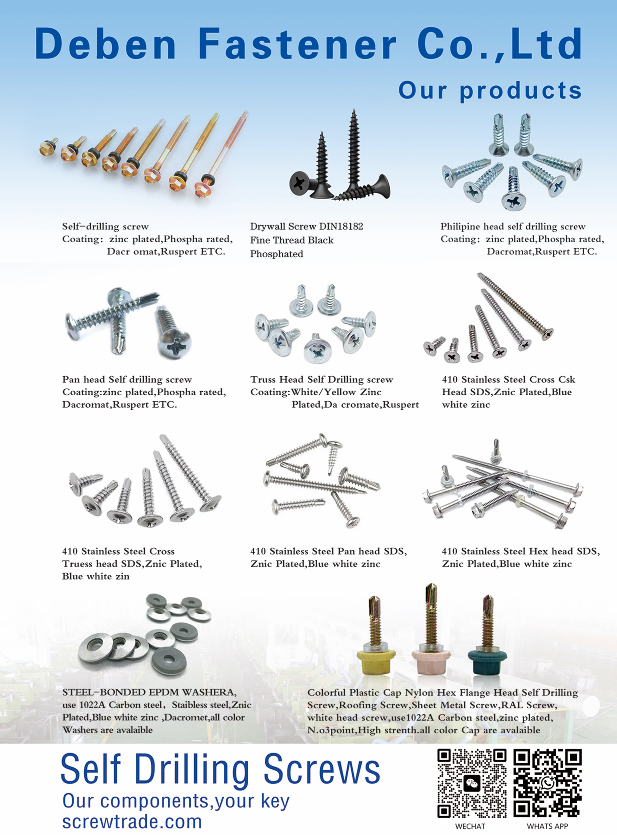
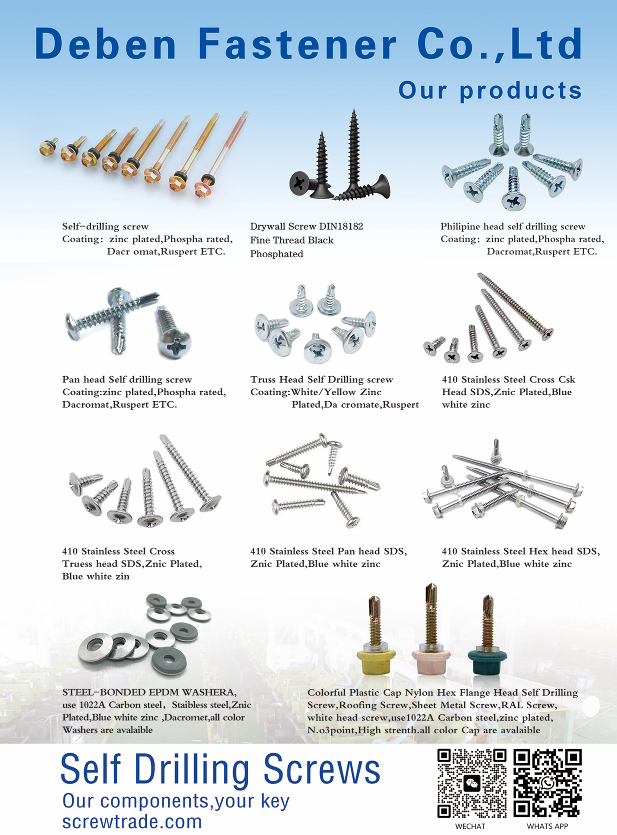
Self-drilling screws add a drilling point, allowing compatible products to drill, form the thread and fasten in one operation. Two specifications still need to be distinguished: drilling capacity, which concerns the material the point can penetrate, and clamping thickness, which concerns the assembly the screw can secure. A longer screw does not automatically have greater drilling capacity.
For basic fastener identification, the important distinction is whether the connection needs an existing hole, an existing thread, or a drilling point suited to the substrate.
What Are Fasteners Used for in Industrial Projects?
Metal Roofing and Panel Connections
Roofing fasteners connect sheets or panels to a supporting structure, but the visible roof sheet is only one part of that connection. The support material, support thickness, panel build-up and sealing arrangement all influence the product required. The same external appearance can conceal different fastening conditions.
For example, a request for self-tapping roofing screws is incomplete without identifying whether the support is steel, timber or another material. The screw must suit the receiving material as well as the layers above it. Where a sealing washer is specified, seating depth becomes another controlled installation condition. Excessive seating torque can damage a washer or strip the formed thread, so tightening harder is not a substitute for a suitable screw and installation setting.
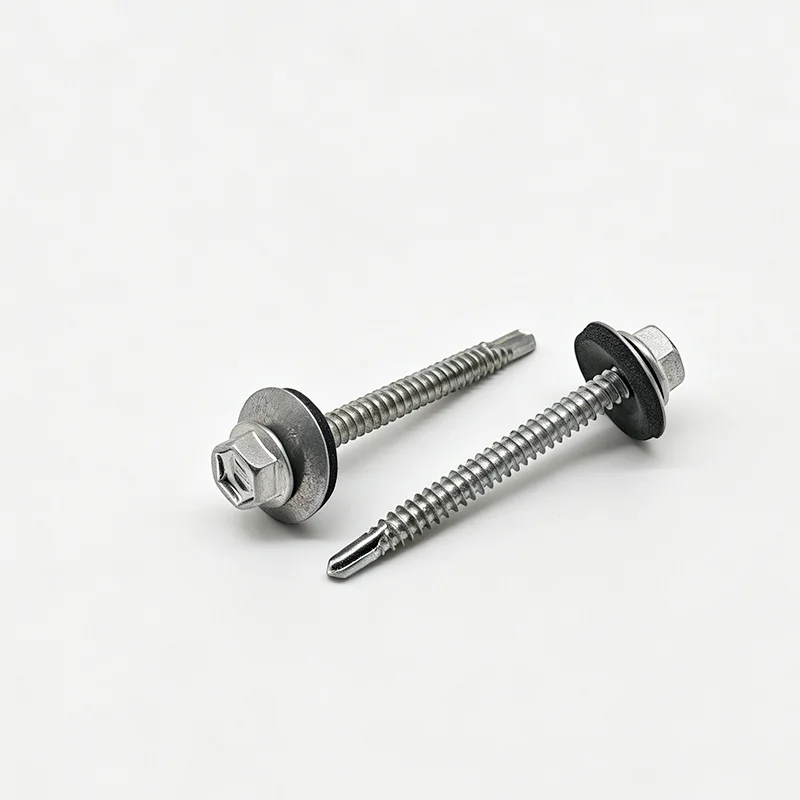
One product listed in Screwtrade’s catalogue is the hex-head self-drilling screw with bonded washer. It illustrates the relationship between drilling, fastening and a washer at the head. Selection for a particular roof still depends on the exact screw specification and roof-system requirements, rather than the presence of a washer alone.
Machinery, Pipe Supports and Foundations
In machinery, bolts and nuts can provide connections that are accessible for disassembly. The head and nut need usable bearing surfaces, and there must be room for the installation tool. Specifying a head style that cannot be reached by the available tool can create an assembly problem even when the thread fits.
Pipe supports introduce a different geometry. With a U-bolt, the receiving holes must align with the threaded legs, while the bent section must accommodate the component being retained. Thread diameter alone does not define this fit: internal width, internal height, bend form and available thread length also matter.
Foundation connections follow another sequence. Cast-in anchor bolts are positioned before concrete placement, with their exposed threads coordinated with the base plate and nut arrangement. Their embedded portion is not selected like an ordinary through-bolt. This explanation concerns cast-in products; it does not make expansion anchors or adhesive anchoring systems interchangeable with them.
What Determines the Right Fastener for an Application?
Match the Substrate and Joint Geometry
Start with what is being connected. A complete description identifies the materials, the thickness of each layer, the hole arrangement and the mating thread or nut. It also distinguishes the total fastener length from the portion that actually engages the receiving thread. Extra length outside that engagement does not, by itself, strengthen the connection.
A representative example shows the relationship. Suppose a bracket is changed to a thicker version while the original bolt is retained. More of the bolt’s length is now occupied by the clamped parts, leaving less available for the nut. Adding a washer also changes the stack. The relevant check is not simply whether the bolt still passes through the hole; it is whether the revised assembly retains the engagement and clearances required by its design.
A dimensioned drawing makes this check possible. It should identify the clamped thickness, washer arrangement, thread length and mating component. The same geometric reasoning applies to a blind tapped hole: if the screw tip reaches the bottom before the head seats against the part, resistance to turning cannot be taken as evidence that the part has been clamped. Available depth and usable threaded depth therefore need to be distinguished on the drawing.
Separate Size, Strength and Surface Protection
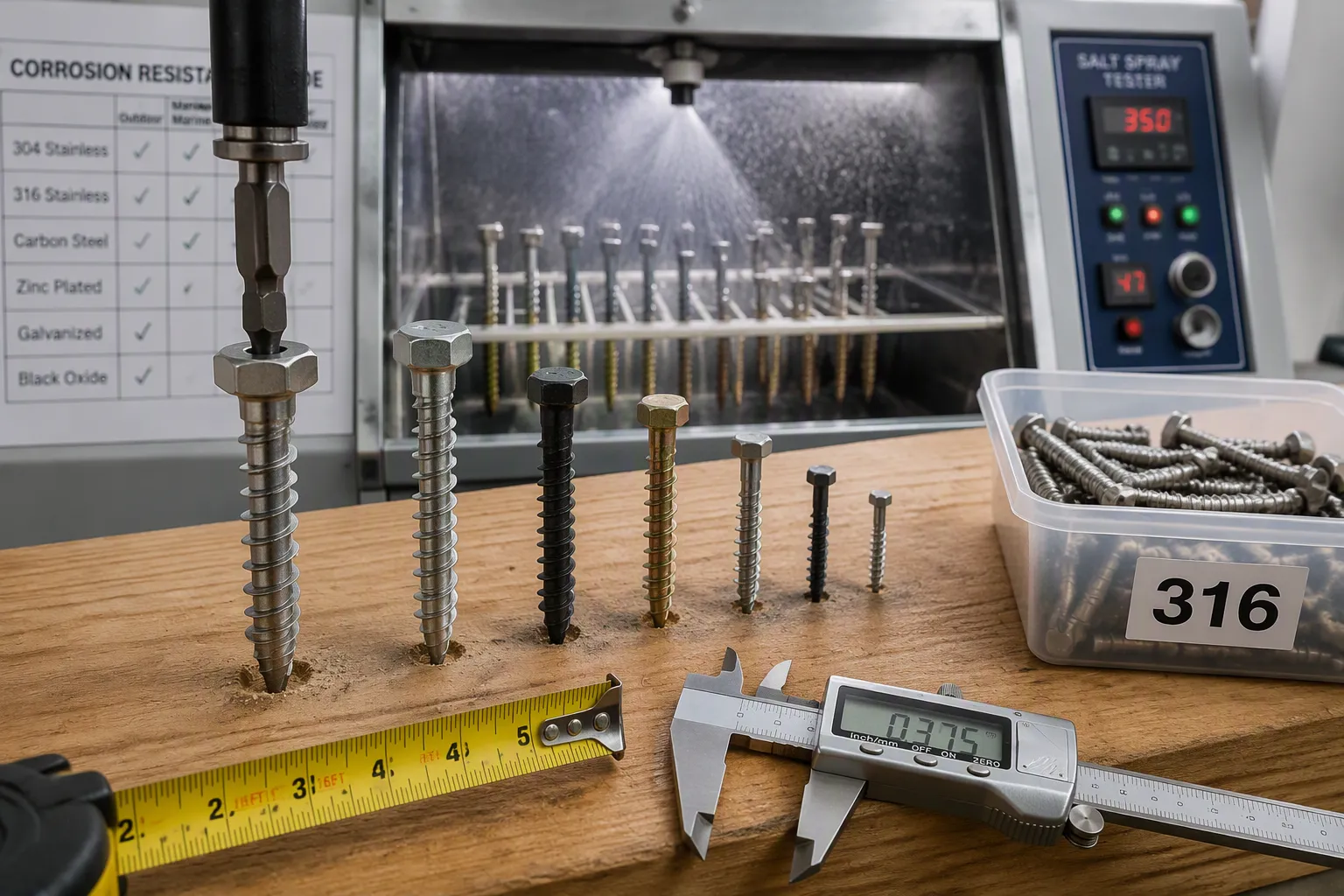
Dimensional compatibility answers whether parts fit together. Mechanical properties answer whether the fastener and its mating components are suitable for the required loads. Surface protection addresses a different question: how the specified material and finish relate to the service environment. None of these checks replaces the others.
Two bolts of the same diameter and length can differ in thread pitch, threaded length, material, strength and finish. Similarly, a nut that starts onto a bolt does not by that fact prove that the complete assembly meets its mechanical specification. The bearing surface and washer remain part of the assessment, especially when the connected material is relatively soft.
The hot-dip galvanized hex-bolt product range includes partly threaded and fully threaded forms, with matching nut and washer sets available. That is a product choice to resolve against the assembly drawing, not a reason to assume that every bolt of the same overall length can substitute for another.
Keep verification equally specific. A dimensional inspection checks the stated geometry. A material or mechanical-property record addresses the identified material or strength requirement. A coating report addresses the specified finish. A visually similar sample can help establish shape and fit, but appearance alone cannot establish every one of those properties.
For load-bearing construction or safety-critical machinery, the approved connection design and applicable installation requirements govern selection. A general product description is not a load rating or an authorization to change an engineered assembly.
What Information Helps Identify or Specify a Fastener?
A useful enquiry starts with the connection, not just the word “fastener.” Explain what the component joins, provide the drawing or existing designation, and distinguish known requirements from dimensions that still need to be established.
The drawing should show the features that control fit. For a conventional bolted assembly, these include the mating thread and clamped stack. For a U-bolt, the receiving-hole spacing and internal dimensions become central. For an anchor bolt, the exposed and embedded portions need to agree with the project detail. A photograph helps identify the family, but it cannot replace dimensions or establish material strength.
State whether the order covers individual fasteners or complete assemblies. Bolts supplied alone are not the same quotation scope as bolts with specified nuts and washers. Quantity, packaging and required inspection records should accompany the technical definition so that the offered items and the acceptance requirements remain clear.
Screwtrade Fastener manufactures and supplies screws, bolts, nuts, U-bolts, anchor bolts and flat washers for industrial and project procurement. When the connection and specification are ready, use the technical enquiry form to submit them together. Ask the quotation to identify the offered part, included mating components and any deviation from the drawing, so the discussion starts with the actual assembly rather than an approximate product name.
Related News
Other news you might be interested in

لماذا تفشل براغي الحفر الذاتي في الحفر: قائمة فحص للركيزة والتركيب
عندما يدور برغي حفر ذاتي ضد الفولاذ دون إحراز تقدم، يصبح قرار الشراء ملحًا: هل يجب على المُثبِّت تغيير إعدادات الأداة، أم يجب على المشتري طلب برغي مختلف، أم يجب على المورد فحص الدفعة؟ يبدأ التشخيص المفيد بتحديد المكان الذي يتوقف فيه الحفر بالضبط. سجّل المادة عند تلك النقطة، وتحقق من البرغي المحدد مقابل التجميع، ثم قارن ظروف التركيب. يمنح هذا النهج المشترين أساسًا أوضح لاتخاذ قرار بشأن ما يجب تغييره وما الأدلة التي يجب طلبها.

براغي الحفر الذاتي بالجملة: قائمة مراجعة لطلب عروض الأسعار للمستوردين والموزعين الأمريكيين
عند شراء براغي الحفر الذاتي بالجملة، يكون سعر الوحدة مفيدًا فقط إذا كنت تعرف بالضبط ما يغطيه. قد يبدو عرضا سعرين وكأنهما يصفان نفس المنتج بينما يختلفان في الأبعاد أو الطلاء أو التغليف أو شروط التسليم. بالنسبة للمستوردين والموزعين الأمريكيين الذين يديرون عدة وحدات تخزين، يمكن أن تجعل هذه الاختلافات مقارنة الموردين صعبة. يساعد طلب عرض أسعار واضح—RFQ—الموردين على فهم متطلباتك ويمنح فريق المشتريات لديك أساسًا ثابتًا لمراجعة عروضهم. تشرح قائمة المراجعة هذه ما يجب تضمينه، وما هي التفاصيل التي تحتاج إلى تأكيد، وكيفية تحويل الاستفسار الأولي إلى مواصفات يمكن لكل من المشتري والمورد مراجعتها.
Want to know more?
Get in touch with us for more information about our services and products.