
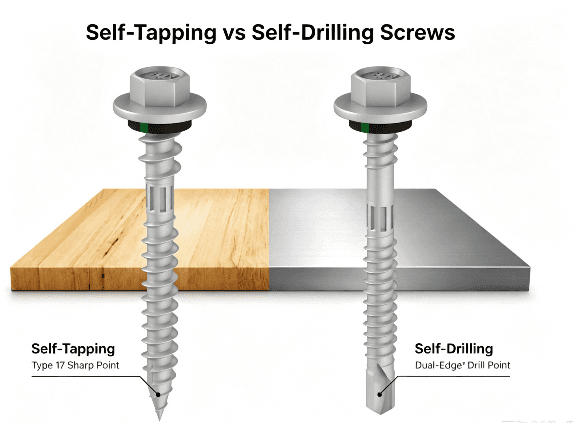
Самонарезающие и самосверлящие винты: в чем реальная разница?

Han Congming
АвторМы обладаем опытом производства и продаж винтов и крепежных изделий, располагаем собственным производственным предприятием со стабильными крупносерийными мощностями. Мы специализируемся на самосверлящих винтах, винтах для гипсокартона, винтах для ДСП, машинных винтах, болтах и индивидуальных крепежных изделиях для строительства и промышленности.
В сфере коммерческого строительства и металлоконструкций термины самонарезающие винты и самосверлящие винты часто используются как взаимозаменяемые. Однако неправильное понимание технической разницы между этими двумя типами крепежа может привести к повреждению основания, срыву резьбы или дорогостоящим задержкам на объекте.
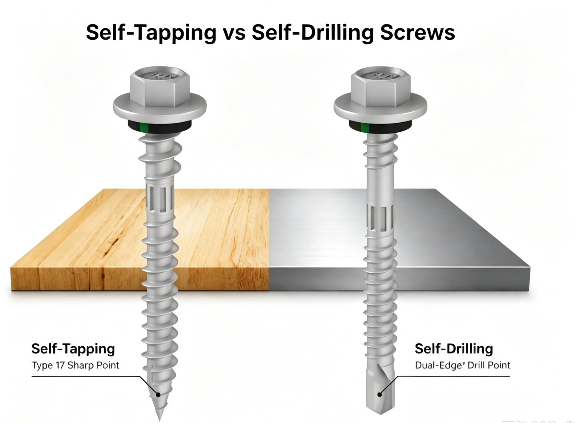
Чтобы установить основополагающее правило, используемое в мировых инженерных стандартах (включая ISO и ASME):
Золотое правило: Все самосверлящие винты являются самонарезающими, но не все самонарезающие винты являются самосверлящими.
Вот профессиональный разбор самонарезающих и самосверлящих винтов, их механика наконечника и как выбрать правильный крепеж для вашего строительного проекта.
Определение крепежа: Конструкция наконечника и механика
Что такое самонарезающие винты? (Часто называемые винтами для листового металла или кровельными винтами)
Самонарезающие винты имеют острый заостренный (тип A/AB) или тупой (тип B/F) наконечник. Их основная функция — «нарезать» (прорезать или формовать) ответную резьбу в уже существующем отверстии.
Нюанс: Они не могут самостоятельно просверлить толстый необработанный металл. Для них требуется предварительно просверленное или пробитое отверстие точного диаметра. При завинчивании винт вытесняет или срезает материал, создавая прочное, виброустойчивое соединение.
Что такое самосверлящие винты? (Широко известные как винты Tek)
Самосверлящие винты — это высокоспециализированная подгруппа самонарезающих винтов. Их легко узнать по наконечнику в форме сверла (от точки 2 до точки 5).
- Преимущество: Им не требуется пилотное отверстие. За одну непрерывную операцию сверлящий наконечник создает стартовое отверстие, а следующая за ним резьба немедленно нарезает и фиксирует соединение.
Сравнение бок о бок: Самонарезающие vs. Самосверлящие винты
| Техническая характеристика | Самонарезающие винты | Самосверлящие винты (Tek) |
|---|---|---|
| Профиль наконечника | Острый (тип A/AB) или конический тупой (тип B) | Наконечник в виде сверла (точка #2, #3, #4, #5) |
| Требуется пилотное отверстие? | Да. Должно быть предварительно просверлено до определенного диаметра. | Нет. Сверлит собственное отверстие при ударе. |
| Совместимость материалов | Тонкий листовой металл, пластик, мягкая древесина, стеклопластик. | Конструкционная сталь средней и большой толщины, C-образные прогоны, H-образные балки. |
| Эффективность труда и инструмента | Требуется отдельное сверло и двухэтапный процесс. | Одноэтапный монтаж; требуется только стандартный шуруповерт/насадка. |
| Зацепление резьбы | Обеспечивает исключительно высокое сопротивление вырыванию в тонких материалах. | Оптимизирован для быстрого, повторяющегося крепления конструкционного металла. |
Руководство по применению: Когда выбирать самонарезающие, а когда самосверлящие винты
Когда использовать самонарезающие винты SCREWTRADE TIMBER-Tite:
1. Сшивание тонколистовых материалов: При креплении очень тонкого листового металла, где сверлящий наконечник может увеличить отверстие или «сорвать» резьбу на этапе сверления, самонарезающий винт с предварительно просверленным пилотным отверстием обеспечивает превосходное усилие зажима.
2. Техническое обслуживание и модернизация: Идеально подходит для замены существующих крепежей в уже смонтированных конструкциях, где уже есть соответствующие пилотные отверстия.
3. Мягкие основания: Отлично подходит для крепления металлических компонентов к пластику, композитам или обработанной древесине.
Когда использовать самосверлящие винты SCREWTRADE METAL-Tite:
Монтаж металлической кровли и сайдинга: Абсолютный отраслевой стандарт для крепления профилированных кровельных панелей, фальцевых клипс и сайдинга к стальным прогонам.
Проникновение в толстую конструкционную сталь: Для применений, связанных с тяжелыми стальными каркасами или жесткими H-образными секциями. Сверлящие наконечники Screwtrade Point #5 могут проникать в конструкционную сталь толщиной до 1/2" (12,5 мм) без предварительного сверления.
Крупные коммерческие проекты: Когда затраты на рабочую силу и скорость имеют решающее значение. Отказ от этапа предварительного сверления сокращает время монтажа до 50%, значительно снижая износ инструмента на объекте.
Почему стоит выбрать крепеж SCREWTRADE для ваших проектов металлоконструкций?
Независимо от того, требуют ли ваши чертежи высокопроизводительные самонарезающие винты с нарезкой резьбы или высокоскоростные конструкционные самосверлящие винты, крепеж SCREWTRADE соответствует строгим мировым стандартам (включая коррозионную стойкость AS3566 класса 3/4). Наша серия METAL-Tite оснащена запатентованными поверхностными покрытиями, предназначенными для предотвращения гальванической коррозии и красной ржавчины в самых суровых условиях.
В чем разница между самосверлящими и самонарезающими винтами?
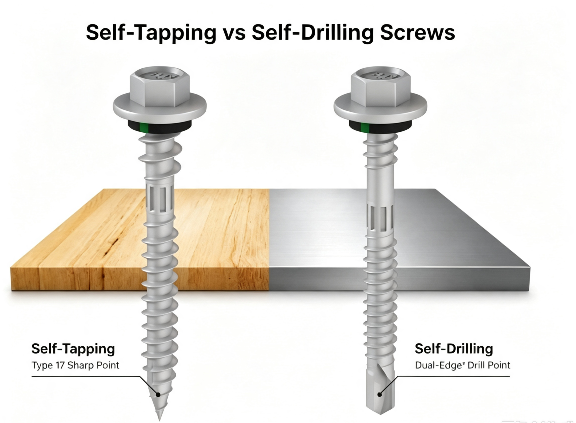
Несмотря на их широкую доступность и использование в коммерческих, промышленных и строительных целях, многие до сих пор путают самонарезающие винты с самосверлящими.
Отчасти это происходит потому, что самосверлящие винты являются подтипом самонарезающих винтов.
Давайте рассмотрим эти два продукта по отдельности, чтобы прояснить эти различия.
Самонарезающие винты
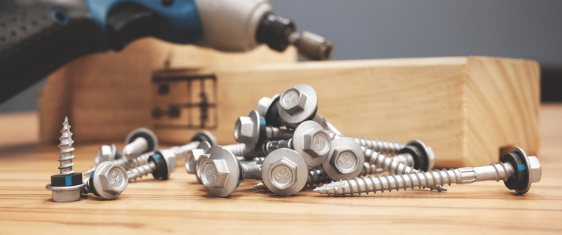
Самонарезающие винты имеют различные названия. Их часто называют винтами по металлу, винтами для листового металла, нарезающими винтами или винтами-саморезами.
Их наконечники имеют различную форму: заостренные (как карандаш), тупые или плоские, и они описываются как резьбонарезные, резьбонакатные или резьбоформирующие. Если винт заостренный, он будет резьбонарезным — нарезая и создавая резьбу в предварительно просверленном отверстии. Если наконечник плоский, он является резьбоформирующим — формируя или выдавливая резьбу и создавая нулевой зазор между винтом и материалом.
При выборе подходящего самонарезающего винта важно учитывать материал, в который будет вкручиваться винт. Различные типы самонарезающих винтов предназначены для конкретных материалов, таких как дерево, металл или пластик. Также следует учитывать размер и длину винта, а также требуемый уровень крутящего момента или усилия затяжки для данного применения.
Самонарезающие винты, как правило, легко устанавливаются и могут использоваться с различными инструментами, включая электродрели и шуруповерты. Однако важно отметить, что чрезмерная затяжка может привести к срыву резьбы винта, снижая его удерживающую способность. Также важно убедиться, что пилотное отверстие имеет правильный размер и форму для обеспечения надлежащего формирования резьбы и удерживающей способности.
Наиболее важное различие между самонарезающими и самосверлящими винтами заключается в том, что самонарезающие винты не могут проходить через металл без пилотного отверстия, которое должно быть предварительно просверлено или пробито.
Одним из главных преимуществ самонарезающих винтов является то, что они не требуют предварительного нарезания резьбы, то есть процесса создания резьбы в материале перед вкручиванием винта. Это устраняет необходимость в дополнительных инструментах и может сэкономить время и трудозатраты. Кроме того, самонарезающие винты можно использовать в материалах, которые слишком тонки или хрупки для предварительного нарезания резьбы, что делает их универсальным выбором для широкого спектра применений.
Точный размер отверстия под сверление или пробивку также важен. Если отверстие слишком большое, винт будет болтаться и не сможет правильно и надежно ввинтиться в отверстие. Если отверстие слишком маленькое, винт может сломаться или вызвать растрескивание или раскол материала.
Самонарезающие винты хорошо подходят для использования с металлами, различными видами пластика (фанера, стеклопластик, поликарбонат), а также с литыми или коваными материалами, такими как чугун, алюминий, латунь, бронза. Самонарезающие винты также работают на поверхностях, где невозможно закрепить заднюю сторону гайкой. Типичные области применения включают крепление алюминиевых профилей, крепление металлических кронштейнов к дереву или вкручивание винтов в пластиковые корпуса.
В заключение, самонарезающие винты — это универсальный и удобный вариант для создания резьбы в различных материалах. Они просты в установке и могут сэкономить время и трудозатраты, что делает их популярным выбором для многих применений. Учитывая материал, размер, длину и рисунок резьбы винта, а также следуя правильным методам установки, вы можете быть уверены, что ваши самонарезающие винты обеспечат надежное и прочное крепление.
Самосверлящие винты
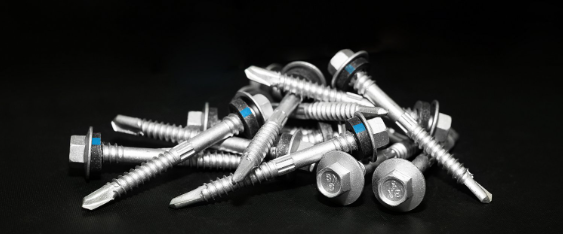
Самосверлящие винты легко отличить, если посмотреть на их наконечник, который плавно изгибается на конце и имеет форму спирального сверла. Их часто называют винтами Tek, по названию бренда, который их популяризировал.
Самосверлящие винты, как правило, легко устанавливаются и могут использоваться с различными инструментами, включая электродрели и шуруповерты. Однако важно отметить, что чрезмерная затяжка может привести к срыву резьбы винта, снижая его удерживающую способность. Также важно убедиться, что пилотное отверстие имеет правильный размер и форму для обеспечения надлежащего формирования резьбы и удерживающей способности.
Длина винтов варьируется, но сверлящие наконечники стандартизированы и идентифицируются по номеру (от 1 до 5), который определяет их длину и толщину. Форма головки и шлица варьируется; самосверлящие винты чаще всего имеют шестигранную, крестообразную (Phillips) или квадратную форму.
В отличие от самонарезающих винтов, самосверлящим винтам не требуется пилотное отверстие для резки и крепления; они могут сверлить, нарезать резьбу и крепить за один проход, что избавляет вас от дополнительного этапа сверления с последующим креплением.
При выборе подходящего самосверлящего винта важно учитывать материал, в который будет вкручиваться винт, например, дерево, металл или пластик. Также следует учитывать размер и длину винта, а также требуемый уровень крутящего момента или усилия затяжки для данного применения.
Еще одним важным фактором, который следует учитывать при использовании самосверлящих винтов, является наконечник винта. Самосверлящие винты имеют различные типы наконечников, например, винт с канавками и расщепленным концом для улучшения удаления стружки. Различные типы наконечников предназначены для направления винта через материал и предотвращения перегрева наконечника, что может привести к плохому формированию отверстия или повреждению материала.
Эти винты могут крепить металл к металлу, дерево к металлу и хорошо работают с легкими самонарезающими винтами. Они подходят для металлоконструкций и сборок из легких стальных профилей; наконечник Point #5 уже способен крепить стальные листы толщиной в полдюйма. Самосверлящие винты полезны в системах HVAC, облицовке, металлической кровле, стальных каркасах и общих строительных работах.
В заключение, самосверлящие винты — это универсальный и удобный вариант для создания резьбы и сверления отверстия за один шаг. Они просты в установке и могут сэкономить время и трудозатраты, что делает их популярным выбором для многих применений. Учитывая материал, размер, длину и наконечник винта, а также следуя правильным методам установки, вы можете быть уверены, что ваши самосверлящие винты обеспечат надежное и прочное крепление.
Сходства и различия
Самое общее сходство между этими двумя типами винтов заключается в том, что оба формируют резьбу по мере проникновения в обрабатываемый материал. Оба крепят сталь к стали и сталь к дереву, когда заклепки или болты с гайками не могут выполнить эту задачу.
Главное преимущество самосверлящих винтов перед самонарезающими заключается в двух немедленных выгодах: экономия времени и затрат на этапе сборки, отсутствие ошибок при сверлении, которые часто случаются, если предварительно просверлить отверстия неправильного размера.
Проконсультируйтесь с производителями самосверлящих винтов, которым можно доверять – свяжитесь с Screwtrade Fasteners сегодня.
Ознакомьтесь с нашим полным ассортиментом самосверлящих винтов Screwtrade здесь
Related News
Other news you might be interested in
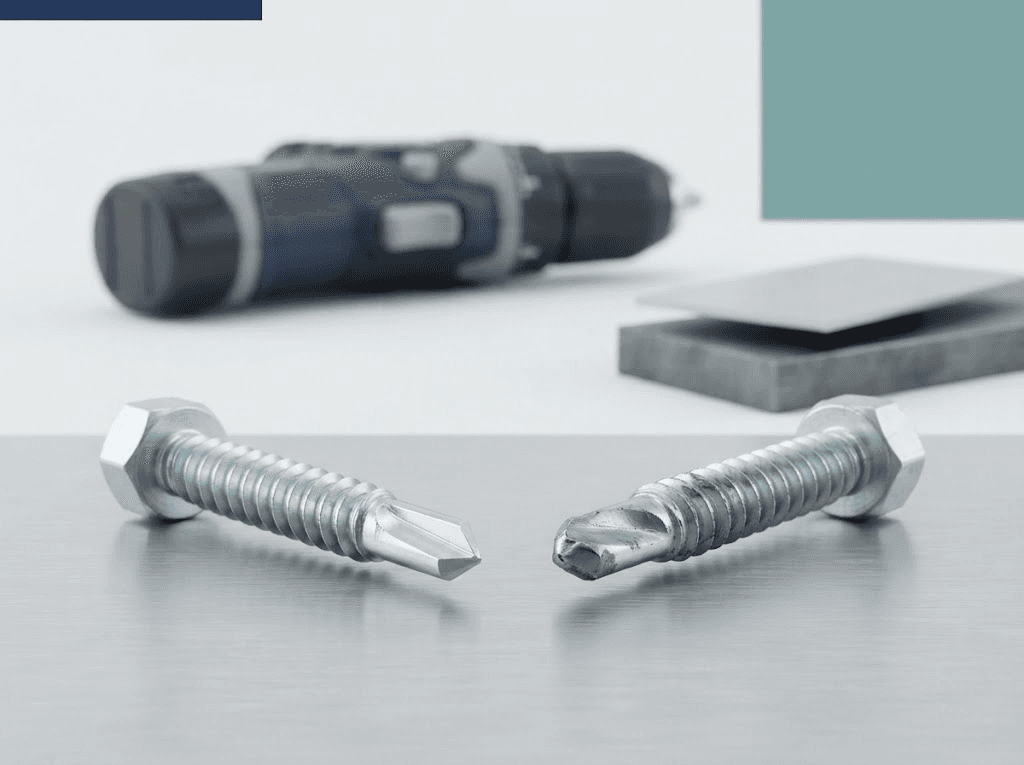
Почему саморезы не сверлят: контрольный список по материалу и монтажу
Когда саморез вращается против стали, не продвигаясь вперед, вопрос о покупке становится срочным: должен ли монтажник изменить настройки инструмента, должен ли покупатель заказать другой винт, или поставщику следует проверить партию? Полезная диагностика начинается с точного определения места, где сверление останавливается. Зафиксируйте материал в этой точке, проверьте выбранный винт на соответствие сборке, а затем сравните условия монтажа. Такой подход дает покупателям более четкую основу для решения, что изменить и какие доказательства запросить.
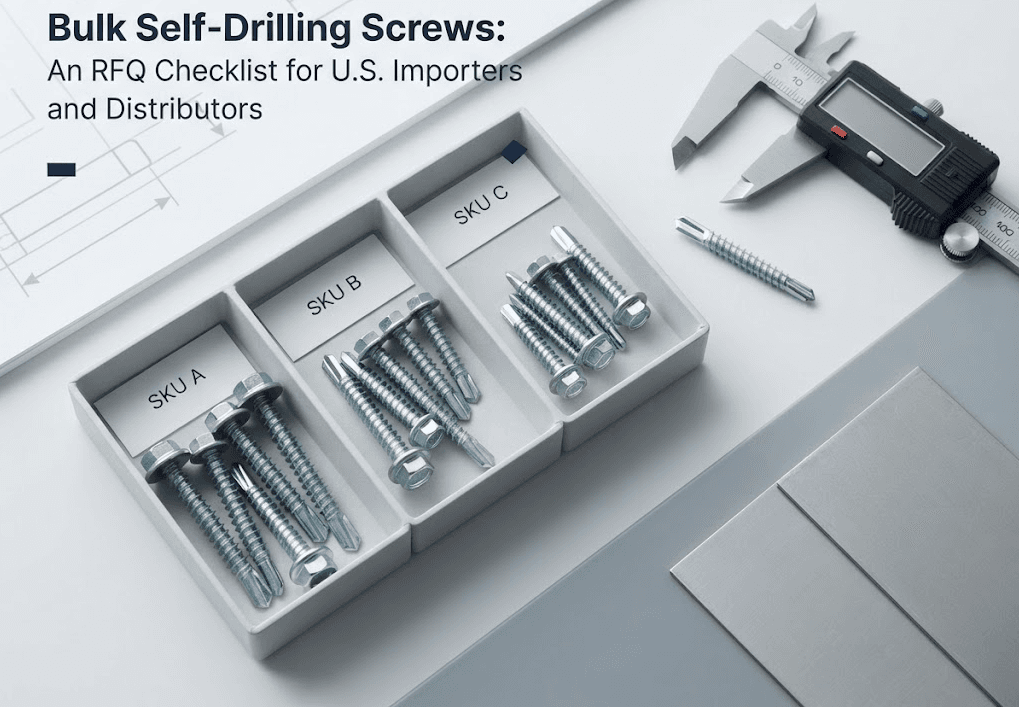
Массовые самонарезающие винты: Контрольный список RFQ для импортеров и дистрибьюторов в США
При закупке массовых самонарезающих винтов цена за единицу полезна только в том случае, если точно известно, что она включает. Два коммерческих предложения могут выглядеть как описание одного и того же продукта, но отличаться по размерам, покрытию, упаковке или условиям поставки. Для импортеров и дистрибьюторов в США, управляющих несколькими SKU, эти различия могут затруднить сравнение поставщиков. Четкий запрос котировки (RFQ) помогает поставщикам понять ваши требования и дает вашему отделу закупок единую основу для анализа их предложений. Этот контрольный список объясняет, что включить, какие детали необходимо подтвердить и как превратить первоначальный запрос в спецификацию, которую могут проверить как покупатель, так и поставщик.
Want to know more?
Get in touch with us for more information about our services and products.