
The B2B Buyer’s Guide to Self-Drilling Screws: Quality, Compliance, and Global Sourcing Best Practices

Han Congming
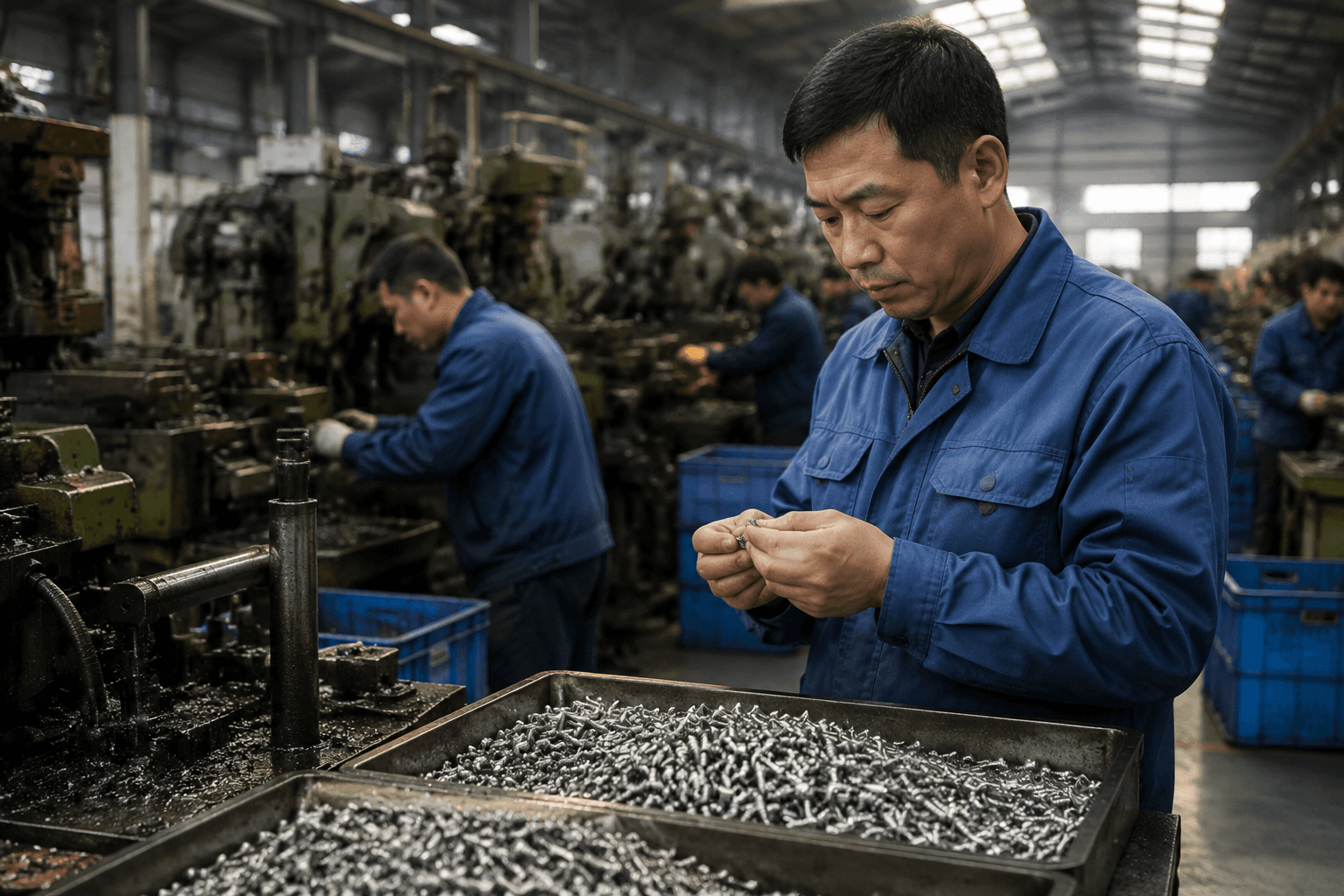
AuthorWith experience in screw and fastener manufacturing and sales, we operate our own production facility with stable large-scale capacity. We are specialists in self-drilling screws, drywall screws, chipboard screws, machine screws, bolts, and customized fasteners for construction and industrial applications.
Why Fastener Failures Cost You More Than Just a Broken Screw
A single failed self-drilling screw in thin-gauge steel can halt an assembly line, trigger costly rework, and compromise structural integrity. According to a 2025 Fastener Technology International report, breakage in metal roofing and light steel framing is a recurrent source of expensive downtime. When you’re sourcing for high-volume projects, inconsistent batch quality from low-cost suppliers introduces silent risk—especially where drill point geometry, heat treatment, or coating consistency are neglected. The true cost isn’t just the hardware; it’s the labour to replace failed parts, the delayed timelines, and the liability that travels down the supply chain. For a screw importer or screw wholesaler, fastener selection is a strategic procurement decision that directly influences total cost of ownership. A bulk screw order built on unverified quality can quickly erode margins, while a reliable supply of roofing screw or metal to metal screw products keeps installers productive and end users satisfied.
Essential Terminology Every Screw Importer Should Know
Before you commit to a B2B screw sourcing contract, clarity on the technical language avoids mismatches. A self-drilling screw—often called a tek screw—integrates a drill point, eliminating the need for a separate pilot hole. That drill point is graded by numbers (#1 through #5) to match steel thickness: a #3 point for 6.0mm, #5 for 12.5mm. Getting this match right requires careful specification matching support to avoid installation failures. The manufacturing process is equally critical: cold heading forms the head and shank under high pressure, thread rolling displaces metal to create threads without cutting, and precise heat treatment sets core hardness and toughness. Coating standards define corrosion protection. A zinc plated screw offers moderate atmospheric resistance, while a Ruspert coated screw or HDG screw (hot-dip galvanized) is specified for aggressive environments. Salt spray test ratings—hourly thresholds to red rust—are the yardstick. Finally, know your benchmarks: ISO fastener standard references global quality frameworks, DIN 7504 governs self-drilling screws, and OEM screw packaging requirements ensure the product arrives labelled and protected as your customer demands.
Critical Quality Factors for Self-Drilling Screws in B2B Supply
Smart buyers evaluate four layers of quality before placing a bulk screw order. First, material selection: a carbon steel screw can be heat-treated to high tensile strength and is economical for general use, while a stainless steel screw provides inherent corrosion resistance but typically lower hardness and higher cost. For a wood to metal screw or a hex washer head screw in coastal cladding, material‑coating synergy is non‑negotiable. Second, drill point geometry: proper flute design and tip hardness allow the screw to penetrate steel without walking or excessive torque, reducing installer fatigue. Third, coating performance: salt spray comparisons between zinc plated, Ruspert coated, and HDG screw finishes should match the environmental severity—a roofing screw in a marine zone needs at least 1,000‑hour resistance. Fourth, documentation: demand mill certificates, third-party salt spray reports, and ISO fastener standard compliance evidence. Suppliers with integrated production and qc systems can monitor every batch from wire drawing to packaging, making certification more than just a paper exercise.
Navigating Global Supply Chains: From China Fastener Supplier to Your Warehouse
Sourcing directly from a China fastener supplier can reduce per-unit cost, but success hinges on logistics and compliance. You’ll need to decide whether to work with a fastener manufacturer controlling the entire production line or a screw distributor aggregating inventory. For a screw importer bringing in volume, mixed container loading (consolidating multiple SKUs in one shipment, whether LCL or FCL) keeps freight costs manageable while maintaining line fill rates. Lead time from Asia often stretches to 8–12 weeks, so realistic forecasting is essential. Equally important is export documentation: proper harmonized system codes, country-of-origin certificates, and compliance with ISO fastener standard and DIN 7504 must be airtight to clear customs without delays. Mitigate risk by auditing factory capabilities—verify that cold heading, thread rolling, heat treatment, and point sharpening are done in-house—and by diversifying across at least two approved suppliers. Request and review their performance testing reports for salt spray and hardness testing across recent production runs.
Case Studies: How Reliable Fastener Sourcing Reduces Total Cost of Ownership
Market data confirms that the opportunity is growing: the Screws and Fasteners Market Research Report 2034 projects a $161.8 billion global market, with self-drilling screws occupying a key segment, while Deloitte’s 2026 Manufacturing Industry Outlook points to sustained activity in industrial construction and infrastructure. In a representative case, a screw wholesaler serving the metal roofing sector cut defect rates by 40% after switching from a fragmented supply base to a single fastener manufacturer offering consistent Ruspert coated screw quality and rigorous salt spray testing per lot. By aligning with a supplier who provided OEM screw packaging and flexible mixed container loading, the wholesaler reduced installation rejections, lowered warranty claims, and strengthened their relationship with their own screw distributor network. The return on investment came not from unit price alone, but from the elimination of hidden field failures.
Product Spotlight: Engineered Fastening Solutions for B2B Projects
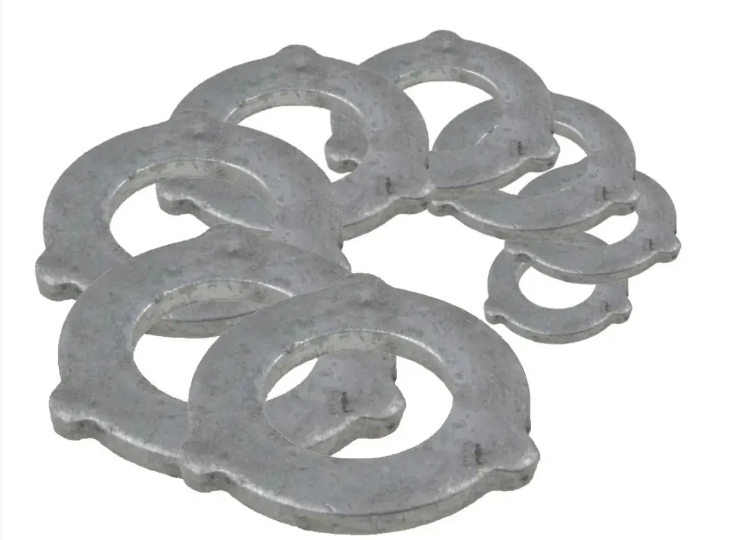
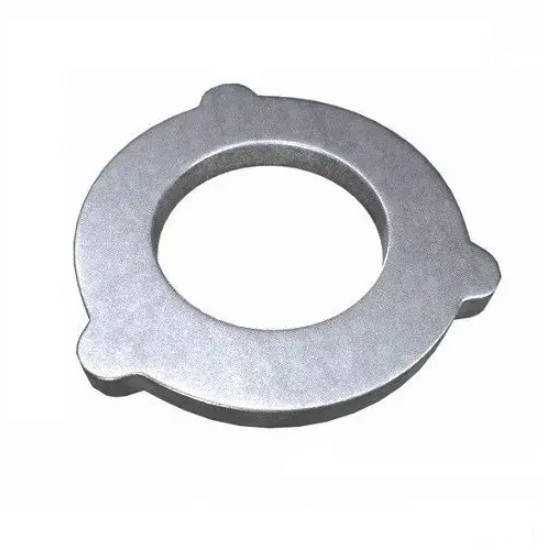
Our self drilling screw focus has driven innovations that go straight to the pain points of volume installers. The patented Drill Twist‑Shear Bolt combines drilling and controlled fastening in one motion, reducing installation steps and delivering consistent tension. For high-corrosion environments, the Hex Washer Head Self Drilling Screw with Ruspert coating withstands harsh coastal and chemical exposure, while the CSK Head Cushioned Tooth Anti Skid Screw locks metal-to-metal joints even under vibration. In weather‑tight assemblies, the HDG Structural Washer and Hex Flange Head with EPDM washer prevent water ingress. For importers managing inventory windows, we support OEM screw packaging, flexible MOQs, and mixed container loading to align with demand cycles without overcommitting warehouse space.
Making the Right Choice: A Checklist for B2B Screw Sourcing
Before you finalize your next bulk screw order, run through this verification checklist. Confirm supplier compliance with ISO fastener standard and applicable EN or DIN 7504 specifications. Request physical samples and conduct in‑house salt spray testing on zinc plated screw or Ruspert coated screw lots to validate coating claims. Assess whether the manufacturer operates core processes in‑house: cold heading, thread rolling, heat treatment, and drill point sharpening. Evaluate logistics support—ask about typical lead times, ability to handle mixed container loading, and assistance with export documentation. Finally, gauge long‑term partnership potential: consistent quality output, technical responsiveness, and capacity to scale as your B2B screw sourcing grows.
Conclusion: Secure Your Supply Chain with Strategic Fastener Sourcing
A self-drilling screw may be a small component, but its performance determines project success. Quality, compliance, and supplier reliability are non-negotiable. Take action today: request a no-obligation consultation and product samples from our engineering team to validate quality for your specific application. Contact our team to start your sourcing partnership.
Related News
Other news you might be interested in
Why Self-Drilling Screws Fail to Drill: A Substrate and Installation Checklist
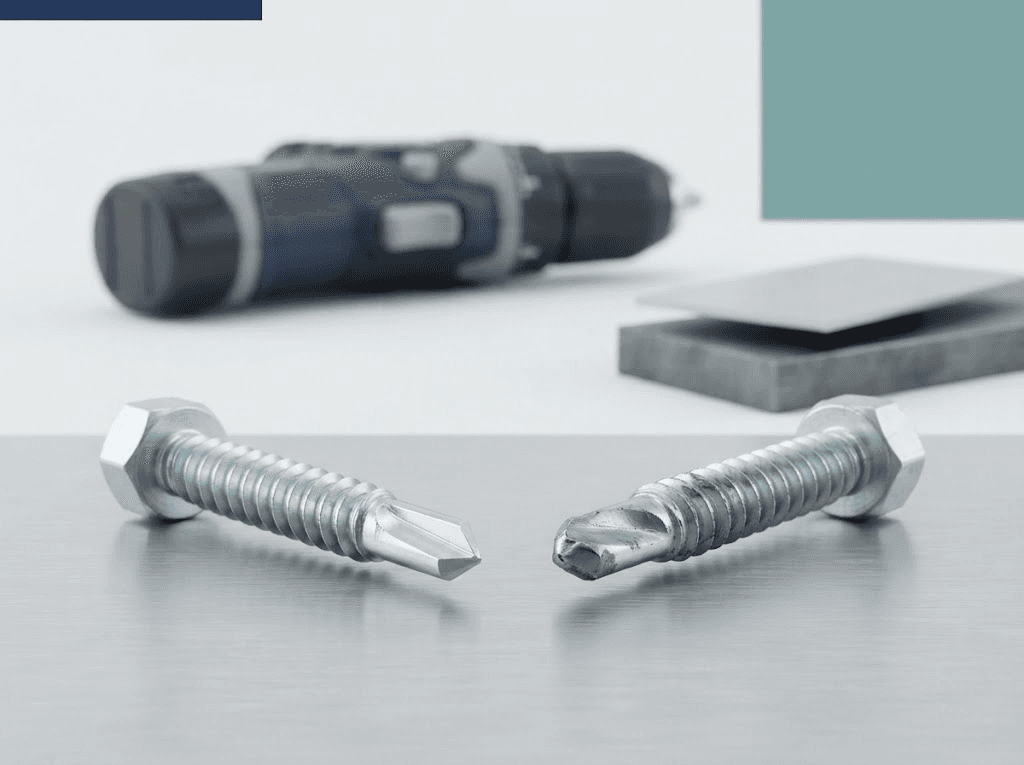
When a self-drilling screw spins against steel without making progress, the purchasing decision becomes urgent: should the installer change the tool settings, should the buyer order a different screw, or should the supplier investigate the batch?A useful diagnosis starts by identifying exactly where drilling stops. Record the material at that point, check the selected screw against the assembly, and then compare installation conditions. This approach gives buyers a clearer basis for deciding what to change and what evidence to request.
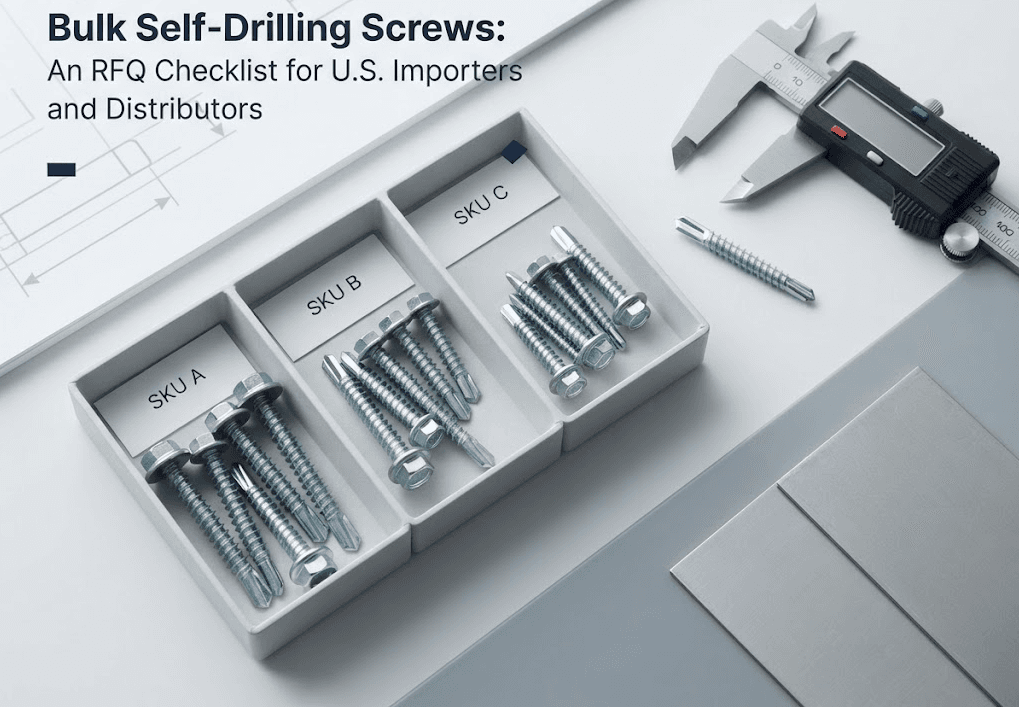
Bulk Self-Drilling Screws: An RFQ Checklist for U.S. Importers and Distributors
When sourcing bulk self-drilling screws, a unit price is only useful if you know exactly what it covers. Two quotations may appear to describe the same product while differing in dimensions, coating, packaging, or delivery conditions. For U.S. importers and distributors managing several SKUs, those differences can make supplier comparisons difficult. A clear request for quotation—an RFQ—helps suppliers understand your requirements and gives your purchasing team a consistent basis for reviewing their offers. This checklist explains what to include, which details need confirmation, and how to turn an initial inquiry into a specification that both buyer and supplier can review.
Want to know more?
Get in touch with us for more information about our services and products.