
Fastener News & Technical Insights
Industry trends, buyer know-how, and practical guidance for self-drilling screws, roofing fasteners, and related fastening systems.
Categories
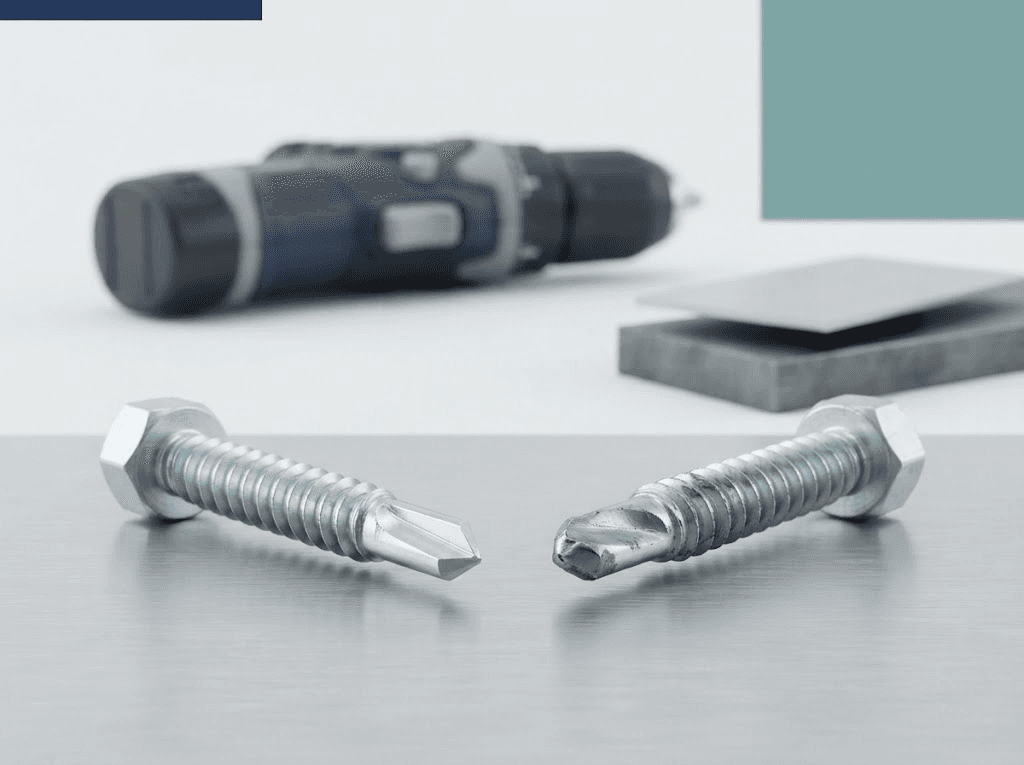
Why Self-Drilling Screws Fail to Drill: A Substrate and Installation Checklist
When a self-drilling screw spins against steel without making progress, the purchasing decision becomes urgent: should the installer change the tool settings, should the buyer order a different screw, or should the supplier investigate the batch?A useful diagnosis starts by identifying exactly where drilling stops. Record the material at that point, check the selected screw against the assembly, and then compare installation conditions. This approach gives buyers a clearer basis for deciding what to change and what evidence to request.
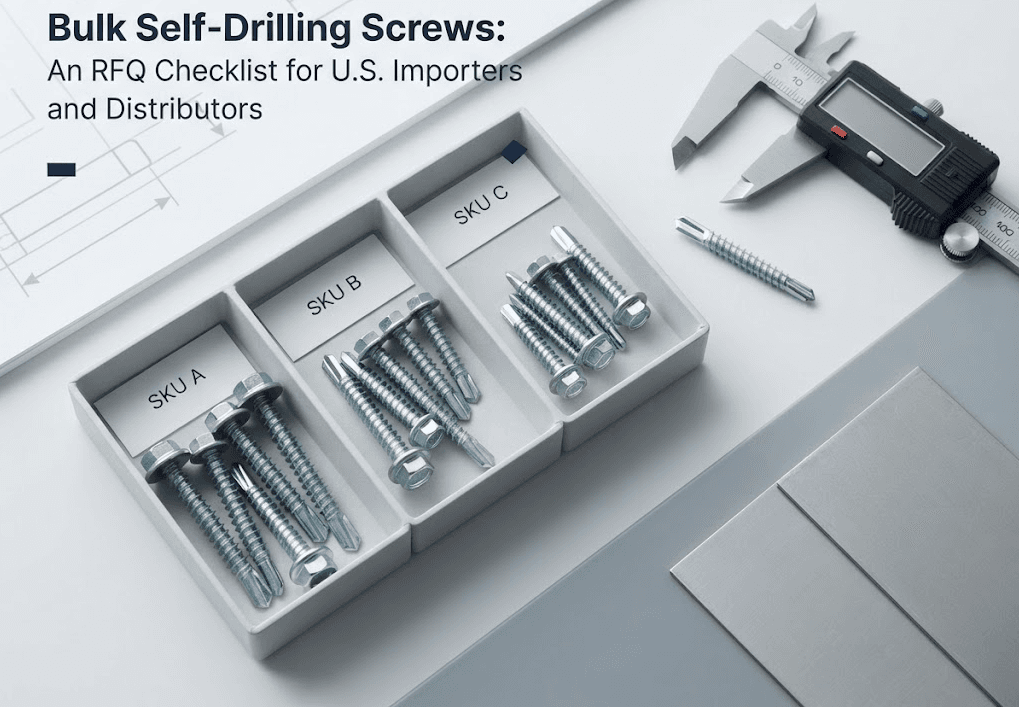
Bulk Self-Drilling Screws: An RFQ Checklist for U.S. Importers and Distributors
When sourcing bulk self-drilling screws, a unit price is only useful if you know exactly what it covers. Two quotations may appear to describe the same product while differing in dimensions, coating, packaging, or delivery conditions. For U.S. importers and distributors managing several SKUs, those differences can make supplier comparisons difficult. A clear request for quotation—an RFQ—helps suppliers understand your requirements and gives your purchasing team a consistent basis for reviewing their offers. This checklist explains what to include, which details need confirmation, and how to turn an initial inquiry into a specification that both buyer and supplier can review.

How to Securely Install Solar Panels on Metal Roofs While Preventing Roof Leaks
The global solar PV industry is growing rapidly. In 2025, global solar PV additions reached a record 510 GW. Distributed solar is expected to account for 42% of total global PV capacity additions from 2025 to 2030. As more commercial and industrial buildings install rooftop solar systems, the role of industrial fasteners is no longer limited to holding components in place; they must also meet requirements for structural load-bearing capacity, environmental durability, and roof waterproofing. This is driving the industry away from selecting individual fasteners in isolation and toward more application-specific integrated fastening systems that consider connection strength, material durability, installation quality, and roof integrity together.
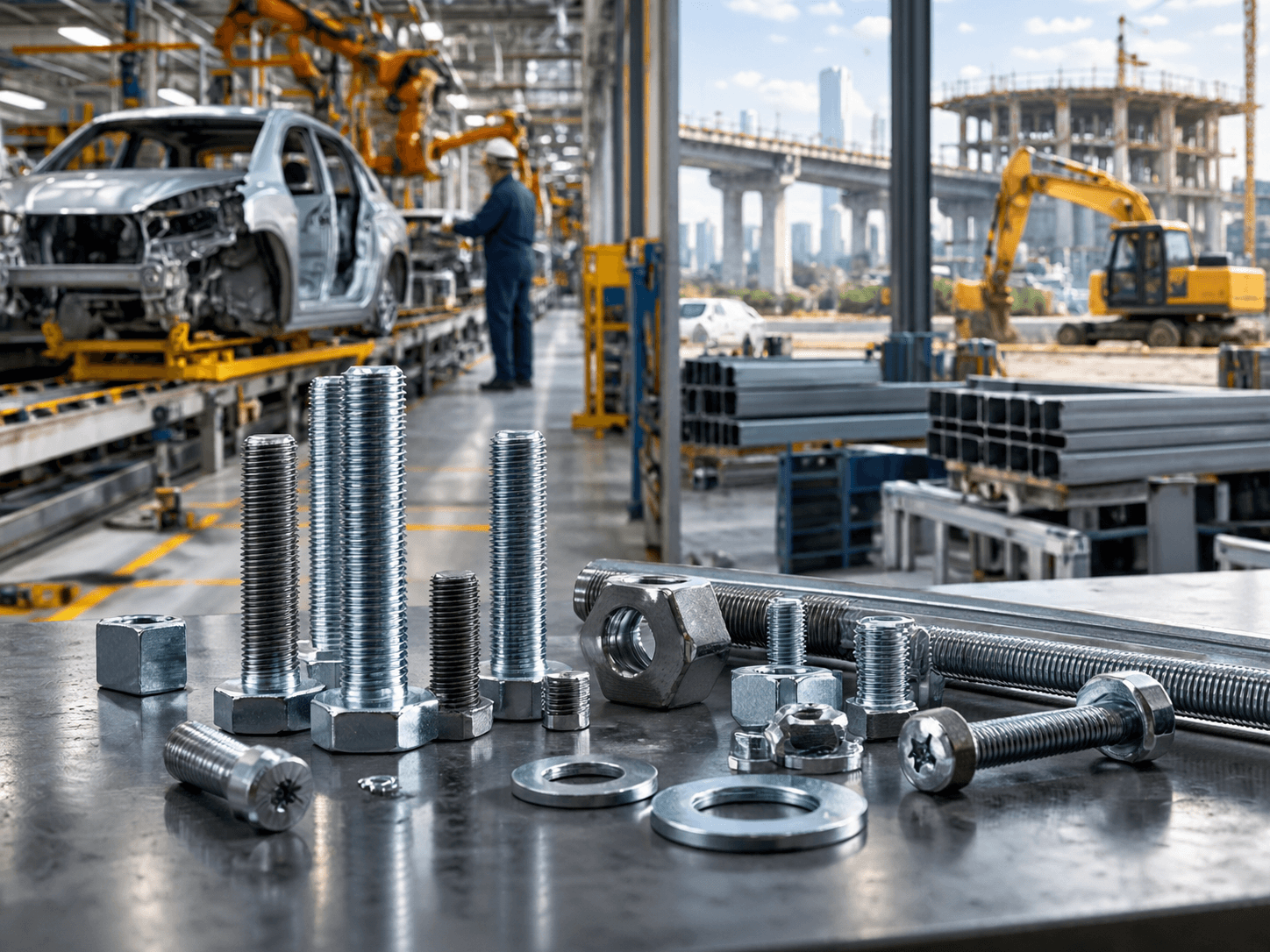
Fastener Specifications Explained: How Types, Materials, Strength, and Coatings Affect Performance
Fasteners are essential components in manufacturing and construction. Their quality and delivery performance affect industries ranging from automotive and machinery to building and infrastructure. As downstream applications place greater demands on reliability, corrosion resistance, and supply stability, industry priorities are extending beyond price and output to include specification management, quality control, surface treatment, and supply chain coordination. Recent industry discussions have also emphasized that outsourced coating and sorting can affect product quality and lead times, while efficient manufacturing, recyclable materials, and lightweight design have become areas of industry innovation. As a result, fastener types, materials, strength, and coatings are no longer isolated parameters; together, they influence manufacturing consistency, connection reliability, and performance in service.
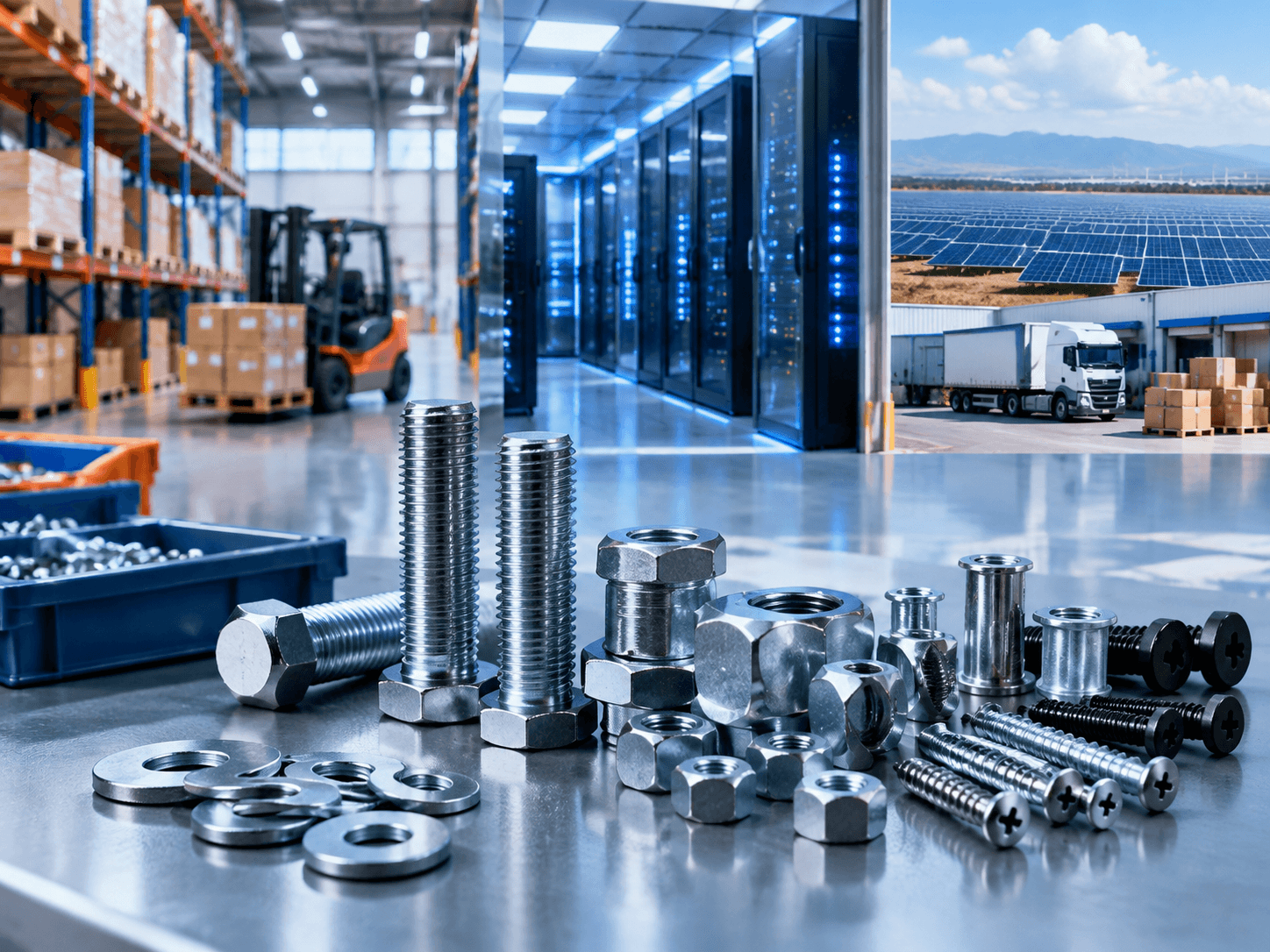
2026 Fastener Industry Trends: What Is the Fastener Market Focusing on, and How Is Fastener Selection Changing?
In 2026, the fastener industry is focusing not only on product prices and specifications, but also on demand shifts, supply lead times, connection reliability, and quality verification. Market data has a defined geographic and sample scope: the North American distributor survey cited below should not be treated as a picture of the entire global market, and the solar research focuses on utility-scale PV structures rather than every application.
What Is a Fastener? Types, Functions and Industrial Uses
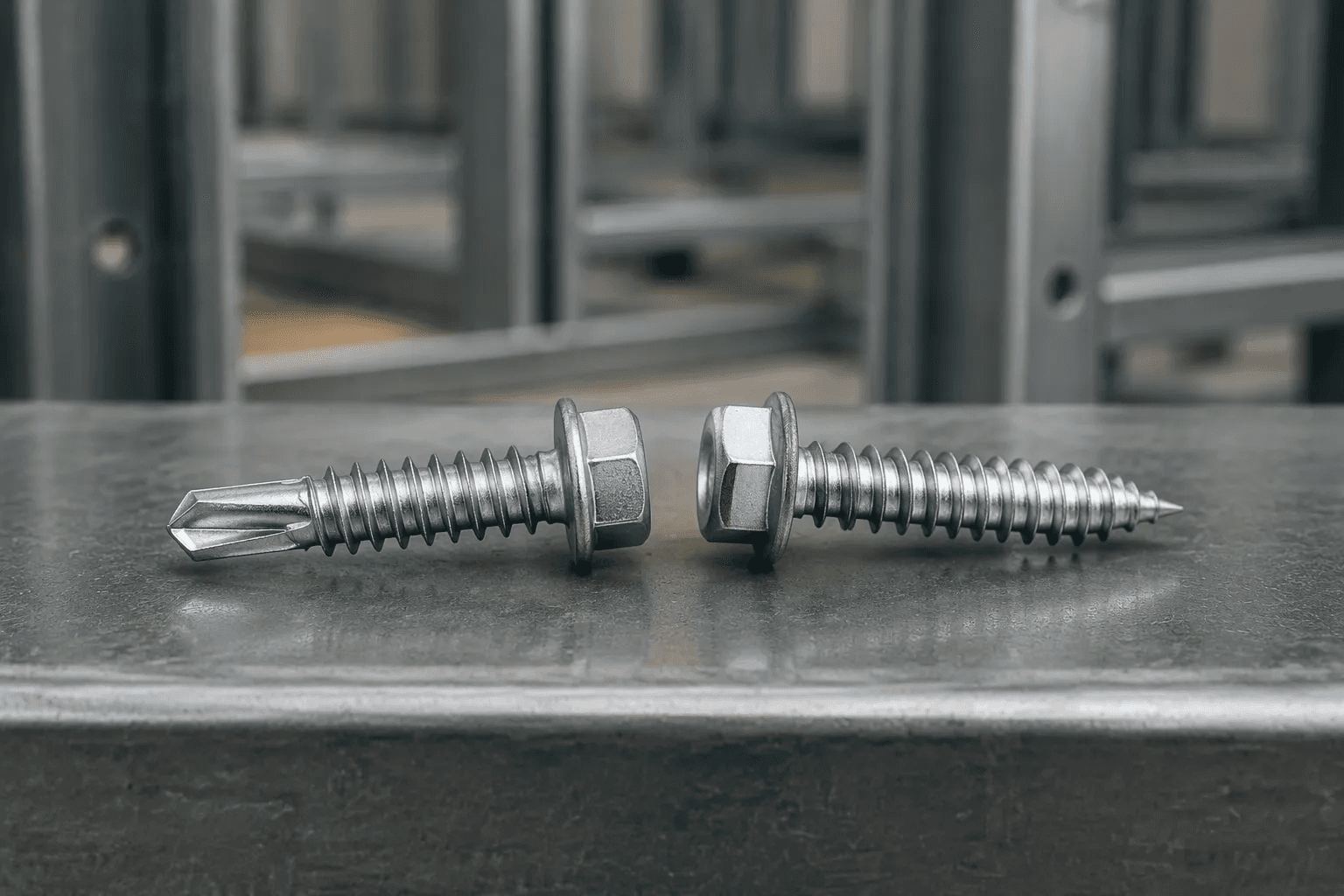
A fastener is a hardware component that mechanically joins or secures parts. Common examples include screws, bolts, nuts and rivets; washers are supporting components used in many fastening assemblies. Some connections can be dismantled by removing threaded fasteners, while others, such as riveted joints, normally require the fastener to be destroyed during removal. In industrial work, identifying a fastener means more than recognizing its shape. The useful questions are what it connects, how the connection carries load, and which dimensions, materials and installation conditions make it suitable. A roofing screw, a pipe-support U-bolt and a foundation anchor all secure parts, but they do different jobs.
Choosing the Right Construction Screws for Modern Building Projects
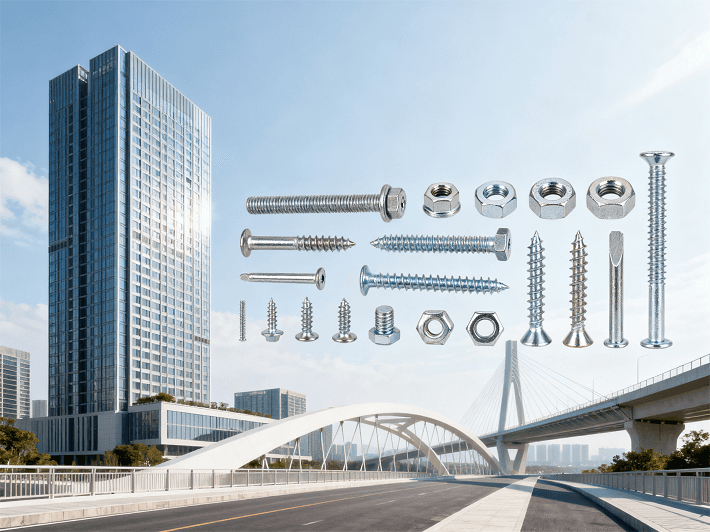
Modern building projects are increasingly moving from traditional on-site construction toward prefabricated, modular, and system-based construction. With the development of light-gauge steel structures, metal building envelopes, sandwich panels, and building mechanical systems, screws are no longer simple connection components. They have become essential to structural safety, waterproofing, construction efficiency, and service life. For this reason, construction screws should be selected according to the building system, material combination, engineering requirements, installation conditions, and supply chain capabilities—not simply according to price or a single dimensional specification.
China’s Industrial Fasteners at the 140th Canton Fair: From Standard Screws to Custom Fasteners, Industry Trends and Sourcing Opportunities
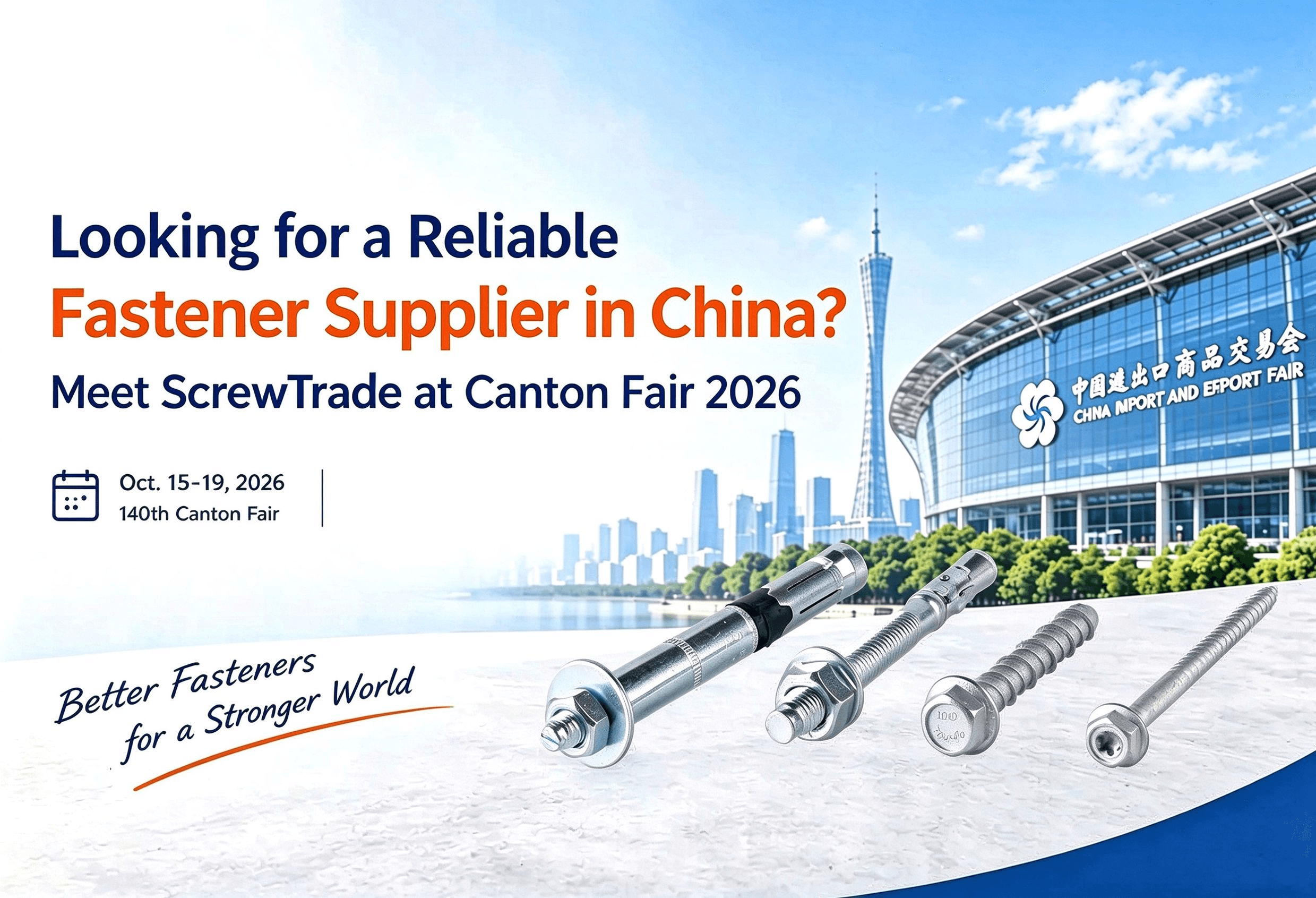
The 140th China Import and Export Fair, also known as the Canton Fair, will take place in mid-October 2026. As an important platform connecting Chinese manufacturers with global markets, the fair is expected to attract buyers from countries and regions around the world. Its industrial manufacturing, hardware, machinery and basic components, and building materials sections will also provide overseas buyers with opportunities to find Chinese suppliers.
Self-Drilling Screws for Light-Gauge Steel Structures: Drill Point Selection, Thread Engagement, and Pull-Out Performance
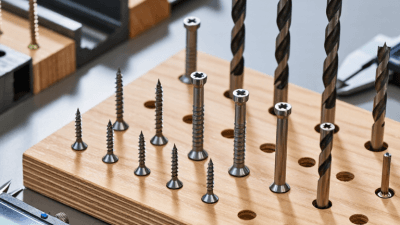
With the development of prefabricated buildings, modular construction, and lightweight steel housing, light-gauge steel structures and cold-formed thin-walled steel structures are increasingly used for walls, roofs, partitions, and building envelope systems. Compared with heavy steel members, light-gauge steel components generally have thinner walls, lower self-weight, and a larger number of connection points. As a result, fasteners must provide sufficient strength while also supporting fast, continuous, and standardized installation.