
Fastener News & Technical Insights
Industry trends, buyer know-how, and practical guidance for self-drilling screws, roofing fasteners, and related fastening systems.
Categories
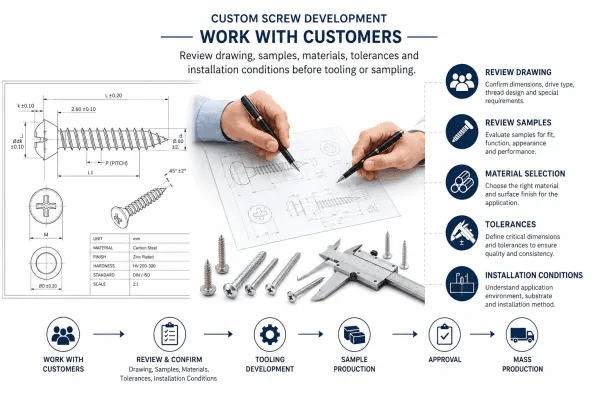
Thread-Forming Self-Tapping Screws vs. Thread-Cutting Screws: Choosing the Right Fastener for Sheet Metal Assemblies
In modern sheet metal manufacturing, fasteners are no longer treated as simple connection components. The material, thickness, hole type, installation method, and service environment of the sheet metal all affect connection reliability. When a joint does not use a nut or a pre-tapped internal thread, thread-forming screws and thread-cutting screws represent two different fastening approaches.
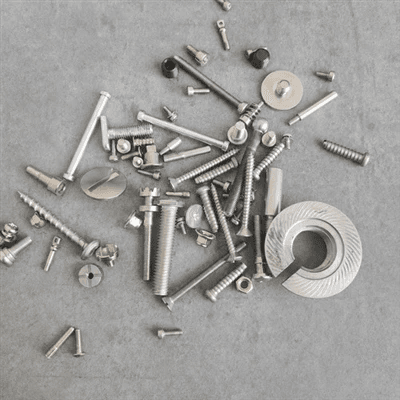
Self-Tapping Screws with Washers: Reliable Fastening Solutions for Modern Construction
As metal roofing, wall panels, light-gauge steel structures, and prefabricated construction continue to expand across industrial facilities, commercial buildings, and infrastructure projects, construction fasteners are no longer merely connection components. They have become an important factor in system durability, installation efficiency, and long-term maintenance costs. In high-humidity, coastal, high-wind, and high-temperature-variation environments, the ability of a fastener to maintain stable clamping force and reliable sealing directly affects the service life of roofing and building envelope systems.

Hex Washer Head Self Drilling Screws: Accurate Size Chart and Buying Guide
Choosing the wrong hex washer head self drilling screw can cost you more than just the fastener – it can lead to roof leaks, corroded panels, and structural failures that show up years after the job is done.I’ve been manufacturing these screws for over 20 years. The difference between a screw that holds for 25 years and one that fails in 5 isn’t the steel – it’s the washer, the drill point, and the coating. Here’s what actually matters when you’re buying in bulk for roofing, steel framing, or construction.
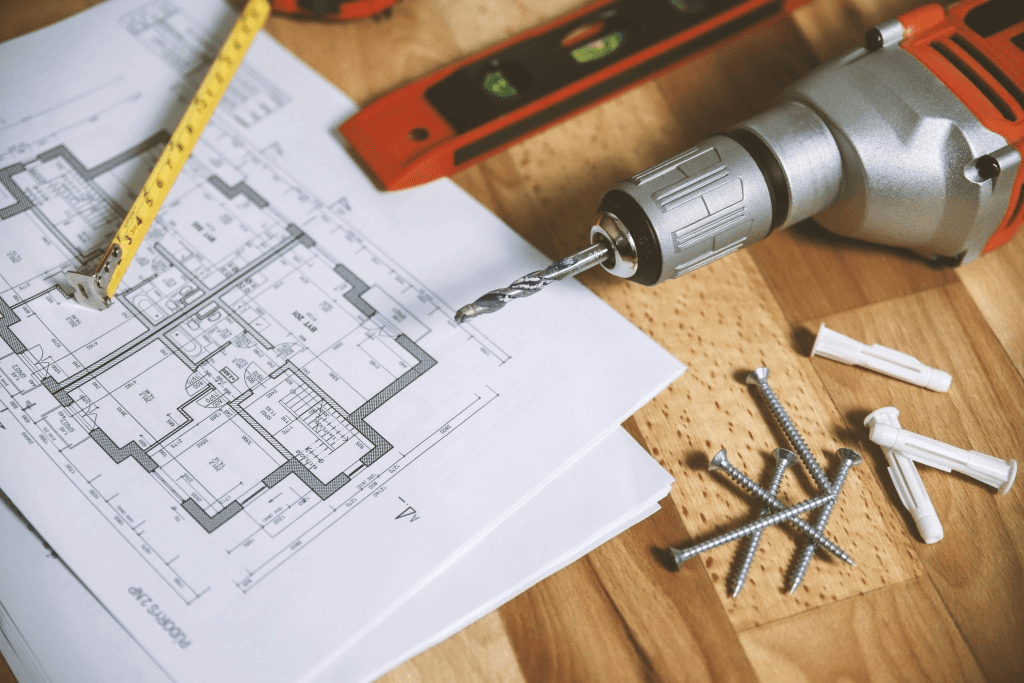
Self-Drilling Screw Installation Torque: How to Prevent Overdriving, Thread Stripping, and Seal Failure
In metal roofing, wall-cladding, light-gauge steel, and steel-to-steel applications, the quality of a self-drilling screw joint is not determined merely by whether the screw penetrates the material. Correct installation torque determines whether threads engage properly, whether the joint develops sufficient clamp load, and whether a connection with an EPDM washer remains weather-tight over time.
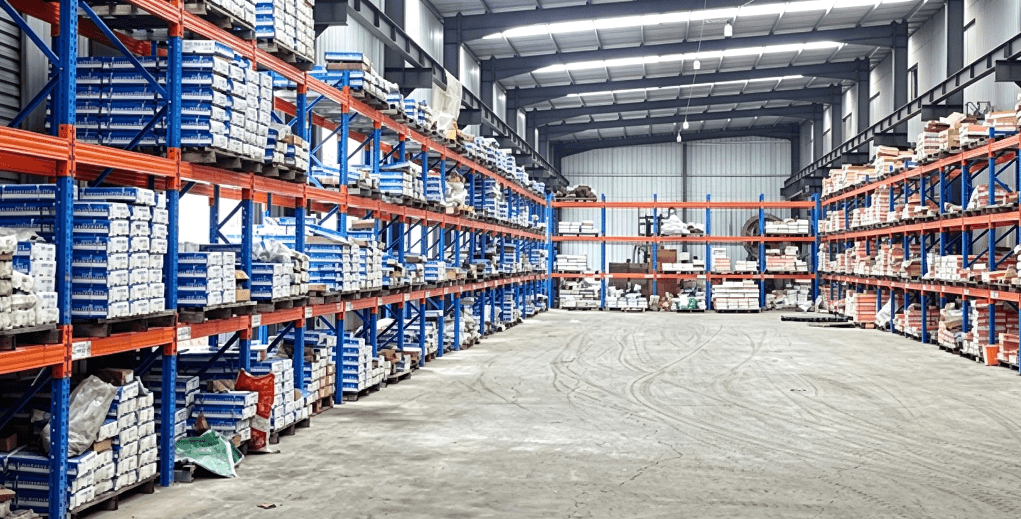
Fastener Grades and Strength Classes: How to Select Bolts, Nuts, and Screws for Industrial Applications
Across manufacturing, energy, transportation, construction, and equipment maintenance, industrial fasteners are not merely low-value commodities. They are fundamental components that determine joint reliability, equipment uptime, and project accountability. The industry's focus on fastener grades reflects a shift from asking whether parts can connect materials to asking whether a connection is verifiable, traceable, and capable of carrying long-term risk.
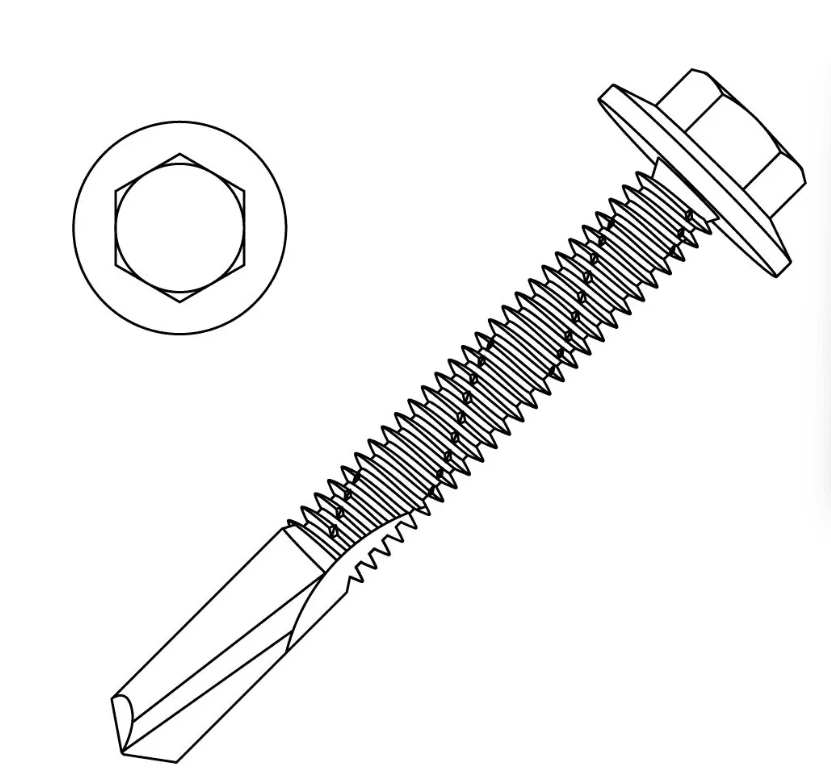
Ruspert, Dacromet, and Zinc Plating: How to Choose Corrosion-Resistant Coatings for Self-Drilling Screws
As metal roofing fasteners, steel structure buildings, prefabricated construction, and industrial equipment continue to develop, self-drilling screws are no longer viewed as ordinary connection components. They must withstand moisture, condensation, salt spray corrosion, industrial pollutants, and long-term temperature changes. Once screws begin to corrode, lose sealing performance, or weaken at the joint, the result can be leakage, rework, higher maintenance costs, and even project-quality disputes.
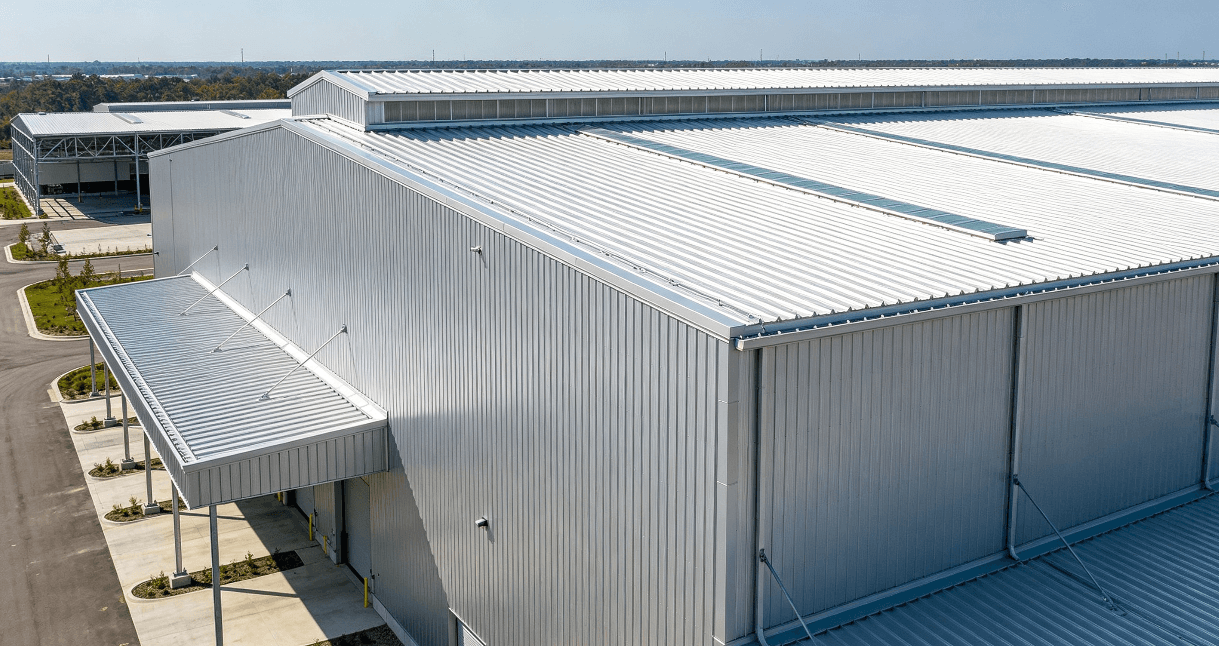
Side Lap Screws vs. Stitching Screws: Selection, Installation, and Durability Management for Metal Roofing and Wall Cladding Systems
As industrial plants, warehouses, commercial buildings, and prefabricated buildings continue to use metal roofing and wall cladding systems, project priorities are moving beyond installation speed alone. Buyers, contractors, and building owners increasingly consider delivery quality, service life, maintenance cost, and long-term performance risk.
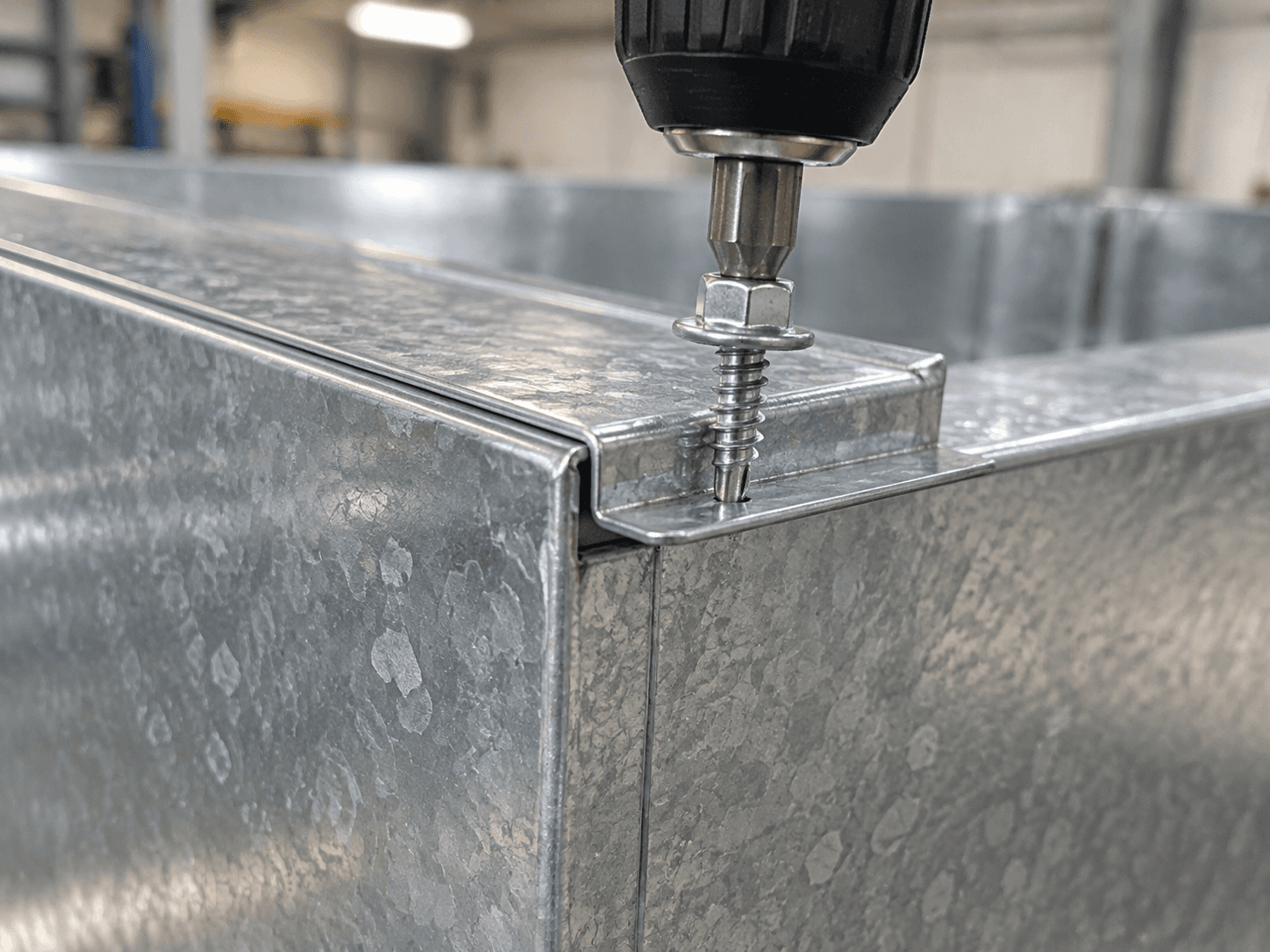
Ductwork Fastening Guide: Selecting HVAC Self-Drilling Screws for Sheet Metal Assembly
In the manufacturing, prefabrication, and on-site installation of HVAC ductwork, fasteners are not minor components that can be selected only by diameter and length. They affect whether duct seams fit tightly, whether fittings remain securely positioned, whether access panels can be repeatedly removed, and whether the system can resist vibration, remain serviceable, and reduce the risk of air leakage. Most duct systems are fabricated from galvanized steel sheet, stainless steel sheet, or other thin-gauge metal materials. Whether the application involves longitudinal seams in rectangular ducts, the assembly of elbows and tees, or the fastening of equipment casings and access panels, the core requirement is reliable metal-to-metal fastening under the intended operating conditions. For industrial sheet-metal applications, Screwtrade's self-drilling screw category provides a useful starting point. However, the final screw specification should always be selected according to the actual joint design.
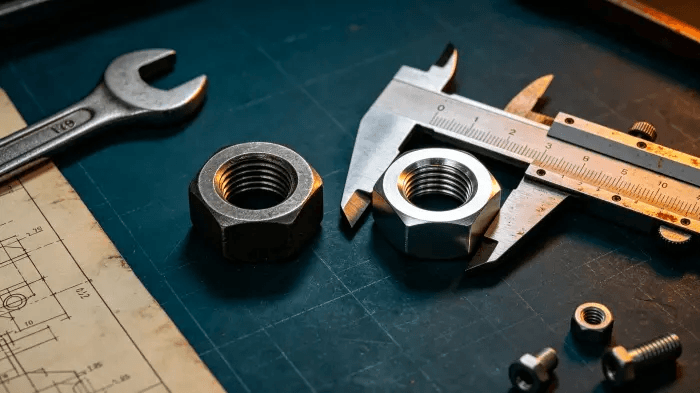
Complete Guide to Metal Roofing Self-Drilling Screws: Metal-to-Metal, Metal-to-Wood, and Sandwich Panel Fasteners
In pre-engineered steel buildings, warehouses, commercial roofs, and agricultural structures, metal roofing screws are more than ordinary hardware. They directly affect the roof system's waterproofing, wind resistance, corrosion resistance, and service life. Today, buyers are moving beyond asking whether a screw can penetrate a panel. The more important question is whether it can perform reliably with a specific substrate, panel profile, and installation environment. Light-gauge steel purlins, thick steel structures, timber purlins, and insulated sandwich panels all require different drill points, thread designs, screw lengths, and sealing systems. Incorrect self-drilling screws may cause stripped threads, insufficient engagement, panel deformation, failed EPDM washers, or long-term leakage.