
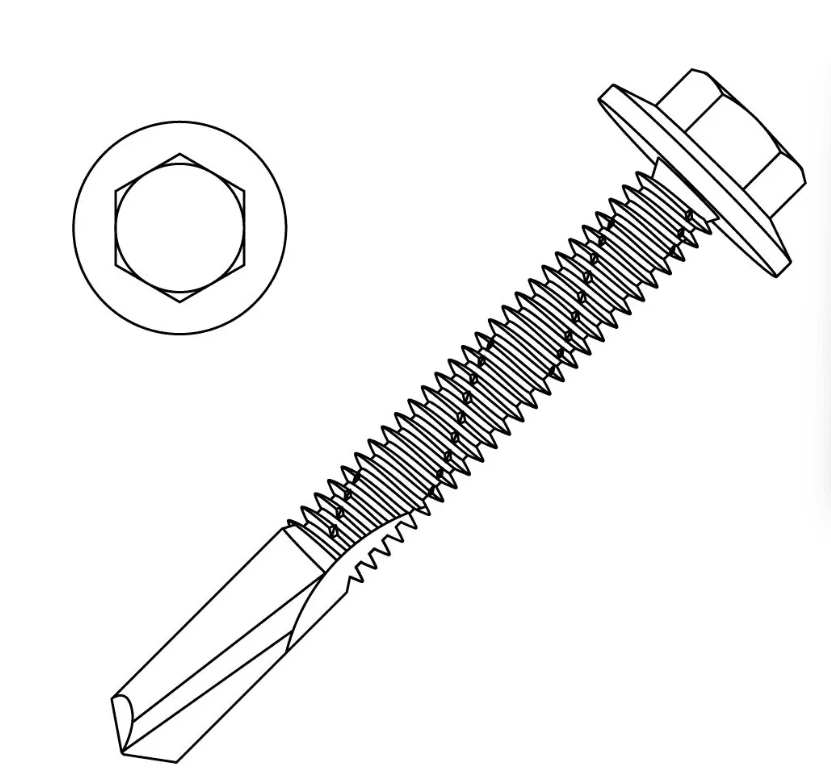
Ruspert, Dacromet, and Zinc Plating: How to Choose Corrosion-Resistant Coatings for Self-Drilling Screws

Han Congming
AuthorWith experience in screw and fastener manufacturing and sales, we operate our own production facility with stable large-scale capacity. We are specialists in self-drilling screws, drywall screws, chipboard screws, machine screws, bolts, and customized fasteners for construction and industrial applications.
As metal roofing fasteners, steel structure buildings, prefabricated construction, and industrial equipment continue to develop, self-drilling screws are no longer viewed as ordinary connection components. They must withstand moisture, condensation, salt spray corrosion, industrial pollutants, and long-term temperature changes. Once screws begin to corrode, lose sealing performance, or weaken at the joint, the result can be leakage, rework, higher maintenance costs, and even project-quality disputes.
For this reason, purchasing standards in the fastener industry are changing. In the past, buyers focused mainly on size, price, and delivery time. Today, contractors, distributors, and project owners increasingly assess corrosion resistance, service life, quality consistency, and environmental suitability. In coastal, high-humidity, agricultural, and industrial corrosive environments, standard zinc-plated self-drilling screws may no longer meet long-term project requirements.
Ruspert coating, Dacromet coating, and zinc plating have therefore become important industry topics. They are not simply different price levels; they represent different technical choices for different corrosive environments, expected project life cycles, and procurement risks. For corrosion-resistant self-drilling screws, understanding the industry position of these three coating options has become an important part of fastening supply-chain and engineering decision-making.
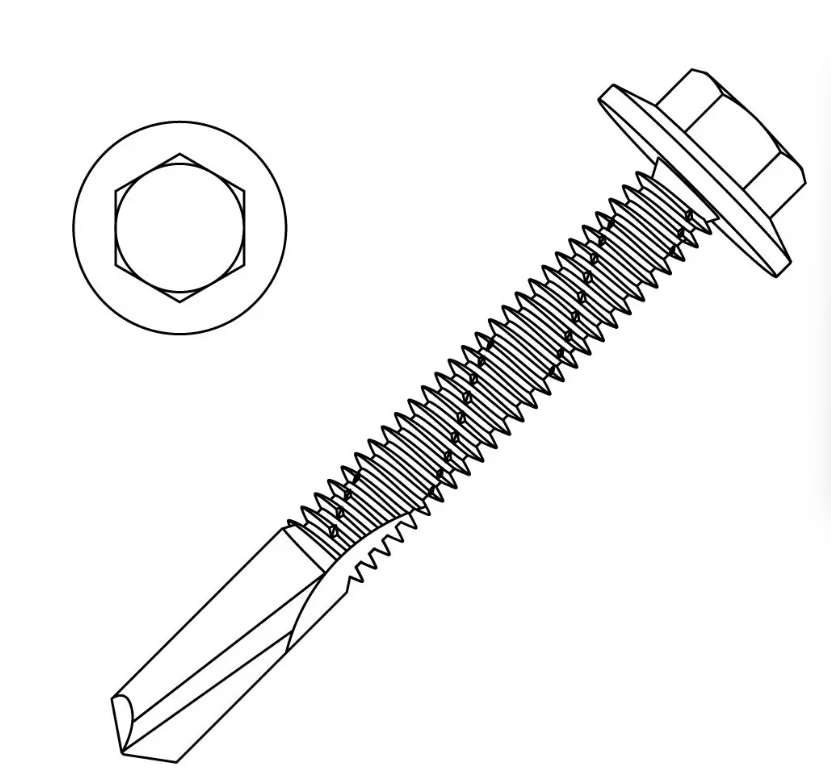
From “Low-Cost Fasteners” to “Lifecycle Reliability”: What Is Changing in the Industry?
Rising Corrosion-Resistance Demand from Metal Roofing, Steel Structures, and Prefabricated Buildings
The growing use of metal roofing, steel structures, wall cladding systems, and prefabricated buildings exposes fasteners to more complex and longer-term outdoor conditions. Project teams are no longer concerned only with installation speed. They also need stable waterproofing, secure connections, and consistent appearance throughout the service life of the building. As a result, self-drilling screw coatings are becoming part of overall project quality.
Why Screw Failure Has Become a Maintenance and Quality-Claim Issue
When roofing screws or structural steel fasteners corrode, the impact often extends beyond the individual screw. Corrosion can reduce clamping force, accelerate sealing failure, cause water leakage at panel joints, and increase inspection frequency. For contractors, these issues can create warranty pressure, rework costs, and reputational risk.
Self-Drilling Screw Coatings Are Moving from an Added Feature to a Project Requirement
For higher-demand projects, purchasing documents increasingly specify corrosion-resistant coatings, application environments, quality documentation, and testing requirements. Competition is shifting from simply supplying self-drilling screws to supplying Ruspert coated screws, Dacromet coated screws, or zinc plated screws that match actual operating conditions.
Corrosive Environments Are Reshaping Fastener Purchasing Standards
Challenges in Coastal, High-Humidity, and High-Salt-Spray Areas
Coastal air contains moisture and salt that can accelerate metal corrosion. For coastal metal roofing, port warehouses, and outdoor steel structures, buyers need to consider salt spray environments, condensation risk, and maintenance cycles rather than selecting fasteners only according to standard indoor conditions.
The Effect of Industrial Pollution, Agricultural Facilities, and Chemical Environments
Industrial pollutants, moisture in agricultural buildings, and corrosive substances can all increase the risk of fastener corrosion. In these applications, surface treatment, installation position, contact materials, and sealing methods should be assessed as one complete system. Focusing on the screw alone while ignoring the environment rarely delivers the intended service life.
How Climate Change and Extreme Weather Raise Durability Requirements
More frequent heavy rain, temperature cycling, and high-humidity conditions place greater pressure on building envelope systems. For a roof fastening system, long-term reliability depends not only on the roofing panel but also on whether connection points can resist moisture ingress, coating damage, and corrosion spread over time.
Ruspert, Dacromet, and Zinc Plating: The Industry Position of Three Coating Options
Zinc Plating: A Basic Corrosion-Protection Option for General Applications
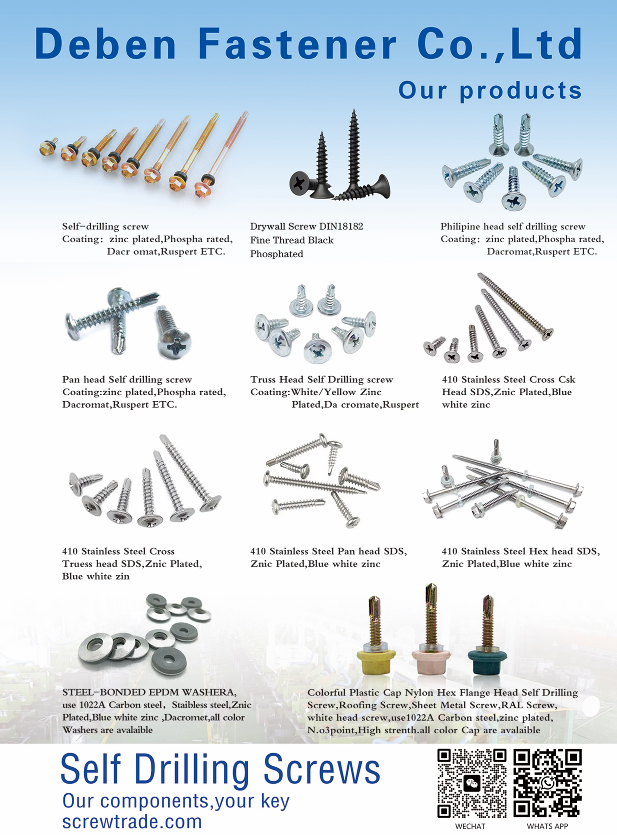
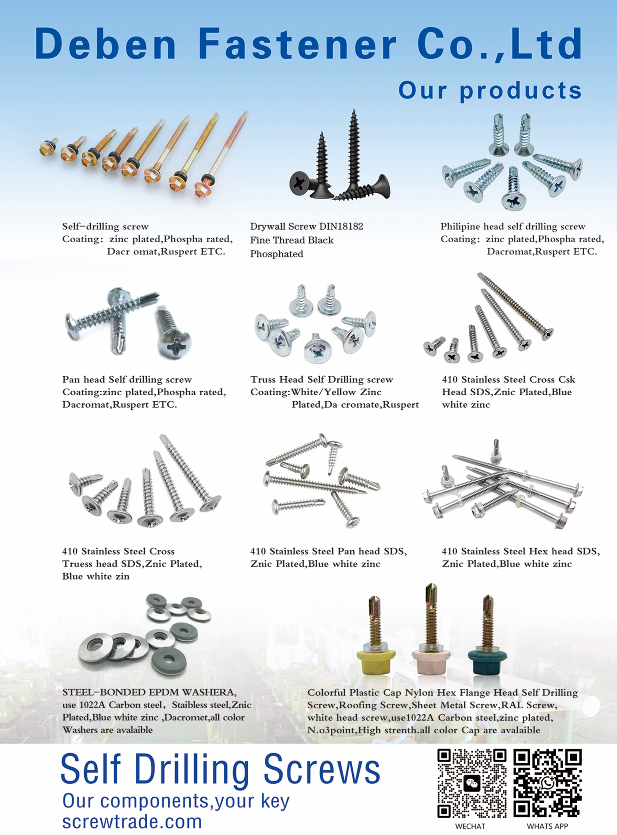
Zinc plating remains common because it is widely available and relatively cost-effective. In dry indoor environments and lower-corrosion applications, zinc plated self-drilling screws offer broad usability. However, in long-term wet, salt-spray, or polluted environments, buyers need to reassess whether zinc plating is sufficient.
Dacromet: A Corrosion-Resistant Option for Industrial and Structural Fasteners
Dacromet coating is often considered for industrial and structural applications that require stronger corrosion resistance. Its value is not limited to surface protection; it also relates to coating consistency, batch stability, and the completeness of technical documentation. For long-exposure structural fasteners, suitability should be confirmed against project specifications and real environmental conditions.
Ruspert: An Upgraded Solution for Roofing, Cladding, and High-Weatherability Applications
Ruspert coating receives significant attention in metal roofing screws, wall cladding fasteners, and outdoor projects. The market interest in Ruspert coated self-drilling screws comes from the need for long-term corrosion resistance, waterproofing performance, and visual consistency in roofing and cladding applications. Buyers should still request clear information on coating systems, suitable environments, and quality evidence.
Coating Competition Is Not Only About Performance, but Also Cost, Lead Time, and Compliance
For the fastening supply chain, the differences among Ruspert, Dacromet, and zinc plating also involve raw-material stability, production capability, delivery lead time, color requirements, export standards, and environmental compliance. Procurement decisions increasingly evaluate total delivery risk and long-term maintenance risk, not only unit price.
Why “Salt Spray Test Hours” Should Not Be the Only Purchasing Criterion
The Difference Between Laboratory Testing and Real Project Conditions
A salt spray test is an important reference for comparing coating corrosion resistance, but it cannot fully represent real engineering conditions. Standing water, ultraviolet exposure, temperature variation, pollutants, and installation damage all influence the long-term performance of fasteners. Test data should therefore be interpreted alongside the actual project environment.
The Effect of Screw Heads, Drill Points, Washers, and Installation Damage
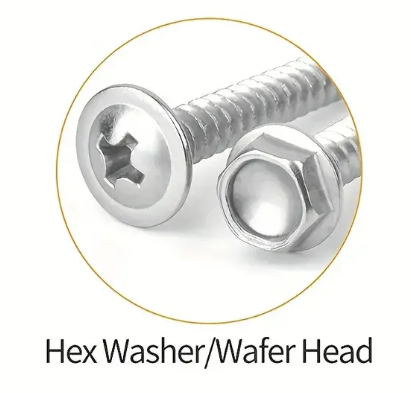
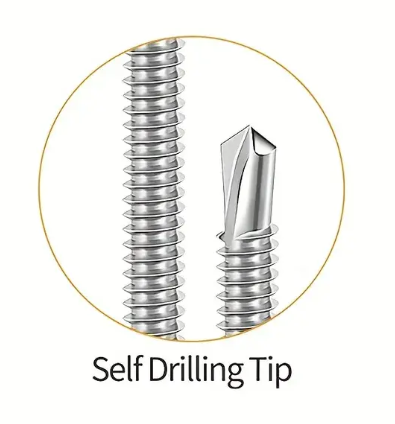
During self-drilling screw installation, drill points penetrate the substrate, screw heads are driven by tools, and washers are compressed. Each of these steps can affect long-term durability. In a metal roofing system, the screw, EPDM sealing washer, and panel-contact area together determine waterproofing and corrosion-resistance performance.
Moving from Single Test Data to Complete Fastening-System Evaluation
A more mature purchasing approach evaluates coating performance, screw material, panel type, sealing design, installation practice, and maintenance planning within the same framework. Engineering projects require a reliable fastening system, not simply an individual component with one strong performance figure.
The Purchasing Logic for Corrosion-Resistant Self-Drilling Screws Is Changing
Buyers Are Moving from Unit Price to Maintenance Cost and Service Life
Low-cost fasteners may reduce initial purchasing expenses, but they do not necessarily reduce total project cost. When corrosion, leakage, or replacement becomes necessary, labor, downtime, and maintenance costs can far exceed the original price difference. Lifecycle cost is becoming an important measure for corrosion-resistant screws.
How Contractors Can Reduce Rework, Leakage, and Corrosion Risk
Contractors need to identify the project environment, connection method, and quality requirements before bidding and installation. In high-corrosion projects, standard zinc-plated screws should not be applied indiscriminately to every location. Technical confirmation before construction can reduce later rework, leakage, and warranty risk.
How Distributors and Project Buyers Balance Stock Versatility with Customized Demand
Distributors generally prefer to stock commonly used specifications, while project buyers may require specific coatings, colors, washers, or packaging. The industry trend is to improve delivery efficiency through standardized stock while maintaining customized technical support for roofing projects, steel structure projects, and high-corrosion applications.
Why Project Environment Information Is More Important Than Screw Price
Questions such as “Where will the fastener be installed?”, “How long will it be exposed?”, “What materials will it contact?”, and “Will there be continuous moisture or salt spray?” often determine the right choice more effectively than price alone. Complete environmental information helps suppliers recommend an appropriate corrosion-protection coating solution and reduces the risk of incorrect specification.
Metal Roofing and Steel Structure Industries Are Creating New Requirements for Coating Technology
Roofing Systems Require Waterproofing, Corrosion Resistance, and Appearance Consistency
A metal roofing system is not only made of roofing panels. It is a complete system of panels, screws, washers, and lap connections. Screw coatings need to match panel color, environmental exposure, and sealing requirements to avoid corrosion, visible color differences, or sealing failure.
Steel Structure Connections Require Long-Term Stability and Predictable Maintenance
In steel structure buildings, warehouses, and industrial plants, connection durability affects maintenance planning. Project owners increasingly prefer defined requirements for corrosion-resistant fasteners so they can reduce unpredictable inspections and replacements instead of reacting after a failure occurs.
The Effect of Color Steel Sheets, Sandwich Panels, and Outdoor Cladding Systems
Color steel sheets, sandwich panels, and outdoor cladding systems all have different connection conditions. In addition to screw selection, project teams need to consider panel surfaces, sealing structures, temperature variation, and installation areas. Poor coating compatibility can affect appearance, corrosion resistance, and long-term joint reliability.
| Comparison Factor | Ruspert Coating | Dacromet Coating | Zinc Plating |
|---|---|---|---|
| Common industry position | High-weatherability outdoor projects | Industrial and structural applications | General and lower-corrosion applications |
| Main purchasing focus | Roofing durability and system compatibility | Batch consistency and technical documentation | Environmental suitability and cost control |
| Typical environment | Wet, outdoor, and building-envelope systems | Industrial, structural, and long-exposure locations | Indoor, dry, or lower-risk locations |
| Project decision method | Assess with roofing and sealing system | Assess with specifications and corrosion requirements | Confirm whether environmental limits are met |
Environmental Compliance, Quality, and Supply-Chain Pressure in Global Markets
How Environmental Regulations and Customer Requirements Affect Surface Treatment
Different markets have different expectations for surface-treatment processes, chemical-substance management, and quality documentation. Export-oriented fastener suppliers need to understand the compliance requirements of the customer’s market and ensure that coating processes, test documents, and material information can be clearly communicated.
The Importance of Coating Consistency, Batch Stability, and Quality Traceability
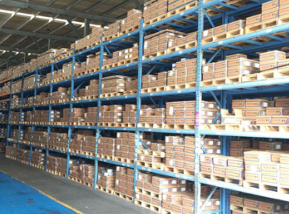
For large-volume self-drilling screws, good performance from one sample does not guarantee stable performance across an entire shipment. Buyers increasingly review coating appearance, coating adhesion, dimensional consistency, packaging labels, and batch identification. Quality traceability has become a major foundation of trust in B2B fastener cooperation.
International Projects Require Test Reports, Technical Documentation, and Supply Capability
International engineering projects often require more than the product itself. They may require technical information, test reports, sample approval, and reliable supply capability. For suppliers of Ruspert coated screws and Dacromet coated screws, clear and verifiable quality communication is more valuable than vague corrosion-resistance claims.
Future Trends: Where Is Corrosion-Protection Technology for Self-Drilling Screws Going?
Coating Technology with Higher Weatherability and Lower Environmental Impact
As building-life expectations rise, the industry will continue to seek surface-treatment technologies that balance weatherability, process stability, and environmental requirements. Market attention is shifting from “whether a fastener is corrosion resistant” to “how reliably it resists corrosion in a specific environment.”
From Standard-Part Supply to Application-Environment Solutions
Future competition in the fastener industry will depend more on understanding project conditions. Suppliers need to provide not only fastener products, but also practical technical support for metal roofing, steel structures, wall cladding systems, and high-corrosion applications.
Digital Quality Traceability and Project-Based Fastener Procurement
Batch traceability, test-data management, and project-document archiving will help buyers confirm product origin and quality status more efficiently. For projects requiring long-term maintenance, digital quality traceability can reduce information gaps and improve supply-chain coordination.
The Coordinated Development of Bi-Metal Screws and High-Performance Coatings
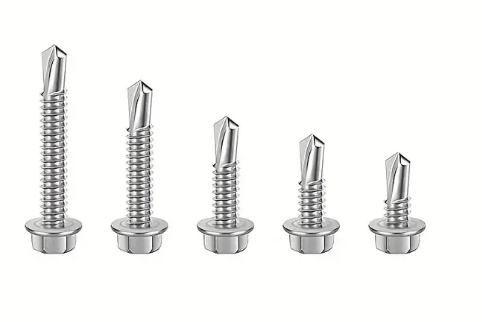
In some high-corrosion or high-demand applications, bi-metal self-drilling screws, 410 stainless steel, 304 stainless steel, and high-performance coatings will represent different technical paths. The industry direction is not to replace every material with one solution, but to establish clearer application boundaries based on actual operating conditions.
Conclusion: Coating Selection Has Become Part of Engineering Risk Management
Ruspert coating, Dacromet coating, and zinc plating should not be treated as simple price tiers. They are industry solutions for different environmental risks, project-life expectations, and supply-chain requirements. When evaluating corrosion-resistant self-drilling screws, buyers should consider the application environment, maintenance cycle, material compatibility, sealing requirements, quality documentation, and long-term risk as a complete decision framework.
In the future fastener industry, companies that can connect corrosion resistance, engineering applications, and supply reliability will be better positioned to meet the long-term performance requirements of metal roofing screws, steel structure fasteners, and outdoor construction projects. For project requirements or fastening-solution discussions, visit ScrewTrade Contact Us.
Related News
Other news you might be interested in

Why Self-Drilling Screws Fail to Drill: A Substrate and Installation Checklist
When a self-drilling screw spins against steel without making progress, the purchasing decision becomes urgent: should the installer change the tool settings, should the buyer order a different screw, or should the supplier investigate the batch?A useful diagnosis starts by identifying exactly where drilling stops. Record the material at that point, check the selected screw against the assembly, and then compare installation conditions. This approach gives buyers a clearer basis for deciding what to change and what evidence to request.

Bulk Self-Drilling Screws: An RFQ Checklist for U.S. Importers and Distributors
When sourcing bulk self-drilling screws, a unit price is only useful if you know exactly what it covers. Two quotations may appear to describe the same product while differing in dimensions, coating, packaging, or delivery conditions. For U.S. importers and distributors managing several SKUs, those differences can make supplier comparisons difficult. A clear request for quotation—an RFQ—helps suppliers understand your requirements and gives your purchasing team a consistent basis for reviewing their offers. This checklist explains what to include, which details need confirmation, and how to turn an initial inquiry into a specification that both buyer and supplier can review.
Want to know more?
Get in touch with us for more information about our services and products.