
Fastener Grades and Strength Classes: How to Select Bolts, Nuts, and Screws for Industrial Applications

Han Congming
AuthorWith experience in screw and fastener manufacturing and sales, we operate our own production facility with stable large-scale capacity. We are specialists in self-drilling screws, drywall screws, chipboard screws, machine screws, bolts, and customized fasteners for construction and industrial applications.
Introduction: Why Fastener Grade Selection Is an Industrial Reliability Decision
Across manufacturing, energy, transportation, construction, and equipment maintenance, industrial fasteners are not merely low-value commodities. They are fundamental components that determine joint reliability, equipment uptime, and project accountability. The industry's focus on fastener grades reflects a shift from asking whether parts can connect materials to asking whether a connection is verifiable, traceable, and capable of carrying long-term risk.
Understanding Fastener Grades, Strength Classes, and Material Designations
Fastener Grades Are Not the Same as Materials, Coatings, or Product Types
Fastener grades define mechanical-performance requirements under a specified standard. They are not the same as material names such as carbon steel, alloy steel, or stainless steel, nor are they equivalent to zinc plating, Dacromet, or other surface treatments. Material systems establish metallurgical properties, heat treatment affects mechanical performance, and coatings influence corrosion resistance. Together, they define the technical identity of an industrial fastener, but none can replace another.
What Bolt Grades, Nut Strength Classes, and Screw Grades Actually Indicate
Bolt grades, nut strength classes, and screw grades reflect the industry's development from evaluating individual parts to evaluating complete joint systems. The issue is not only how much force a part can withstand, but whether the thread pair remains stable, whether the joint performs consistently, and whether the connection retains its intended performance throughout its service life.
Why Grade Numbers Cannot Be Directly Equated or Converted Across Standards
In global industrial supply chains, grade numbers, test methods, marking rules, and scopes of application differ between regions and standards. Treating grades from different systems as directly interchangeable can create a gap between technical documentation and actual performance. In international sourcing, project delivery, and quality disputes, the standard name, edition, and scope are more meaningful than a grade number alone.
The Standards That Define Industrial Fastener Performance
ISO and EN Requirements for Mechanical Properties and Markings
Standards such as ISO 898-1 and ISO 898-2 establish a common language for the mechanical properties, markings, and testing of carbon steel and alloy steel threaded fasteners. They allow manufacturers, engineering firms, and end users in different markets to communicate against the same fastener standards and provide a verifiable basis for quality accountability.
ASTM and SAE Standards in Global Industrial Supply
In North America and related supply chains, ASTM standards and SAE standards are widely used in industrial manufacturing, structural engineering, and equipment applications. They influence not only production, but also drawing approval, project acceptance, insurance responsibility, and trade documentation. Standards are therefore not merely technical labels; they are market-entry requirements.
Standards for Stainless Steel and Corrosion-Resistant Fasteners
Corrosion has pushed the industry beyond nominal strength toward material compatibility, environmental validation, and service-life management. Standards such as ISO 3506 help clarify the relationship between stainless-steel material categories, performance classes, and service conditions. For related coating and corrosion-resistance considerations, see Screwtrade's article on corrosion-resistant coatings.
How Drawings, Customer Specifications, and Local Regulations Determine Selection
Technical requirements in industrial projects usually arise from several documents: engineering drawings, customer specifications, applicable standards, project regulations, and quality agreements. Together, they form the fastener technical specification. Mature industrial projects do not rely on verbal descriptions or generic part names; they define performance limits, inspection responsibilities, and change-control rules through documentation.
How Strength Classes Translate into Joint Performance
Tensile Strength, Yield Strength, Proof Load, and Hardness
Tensile strength, yield strength, proof load, and hardness are core indicators used to assess fastener performance. They represent fracture limits, the onset of permanent deformation, thread-pair load capacity, and heat-treatment condition. In industrial applications, a strong result in one indicator does not guarantee a reliable joint; the key question is whether all relevant indicators match the actual load and assembly condition.
Why Bolt and Nut Strength Compatibility Matters
Joint reliability depends on system coordination, not on maximizing the strength of one component. When bolt grades and nut strength classes are mismatched, thread damage, preload loss, or local plastic deformation may occur. The industry's emphasis on matched combinations shows a shift from selling individual parts to managing joint responsibility.
The Effect of Thread Engagement, Clamping Force, and Preload
Reliable industrial joints require adequate thread engagement, stable clamping force, and appropriate preload. These factors determine how external loads are distributed through a joint and how likely it is to loosen under vibration. Grade is the foundation of performance, but joint design and assembly consistency determine whether that potential becomes real reliability.
Why Fastener Markings and Lot Traceability Matter
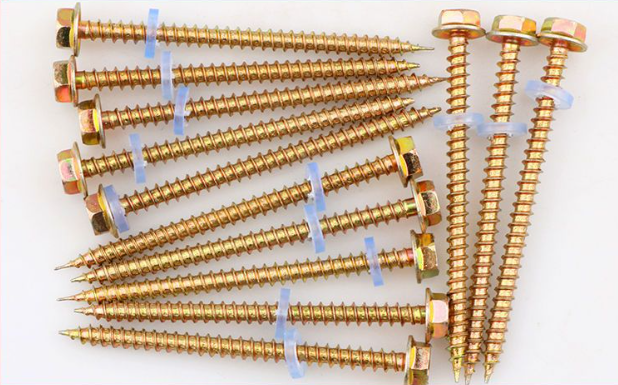
Part markings, inspection reports, and production records form a lot traceability system. For critical industrial joints, these records support quality acceptance, root-cause analysis, responsibility allocation, and risk isolation. Supply systems that provide a complete evidence trail generally offer greater long-term value than those focused only on production volume.
Fastener Selection Cannot Be Based on Strength Class Alone
Static Load, Dynamic Load, Vibration, and Fatigue Conditions
Static loads, dynamic loads, and vibration fatigue place fundamentally different demands on joint systems. Static conditions focus on load capacity, while cyclic conditions place greater emphasis on preload retention, stress concentration, and assembly consistency. As automation, high-speed transport, and heavy machinery develop, fatigue reliability has become a central industry concern.
Temperature, Corrosion, Moisture, and Chemical Exposure
A corrosive environment changes the long-term behavior of materials, coatings, and thread pairs. High and low temperatures, humidity, salt spray, and chemical media affect not only appearance but also joint force, removal performance, and failure modes. Corrosion resistance is therefore no longer an optional feature; it is part of equipment life-cycle management.
Assembly Access, Installation Methods, and Maintenance Requirements
Automation, shorter maintenance windows, and modular equipment design make access, torque consistency, and serviceability increasingly important. When evaluating industrial fasteners, industrial organizations no longer consider only individual-part performance. They also evaluate compatibility with on-site processes, automated production cycles, and long-term maintenance strategies.
Why Higher Strength Does Not Always Mean Lower Risk
A higher strength class does not automatically mean greater system reliability. High-strength materials are usually more sensitive to heat treatment, surface finishing, and assembly control. If those processes are poorly controlled, the risk of hydrogen embrittlement, delayed fracture, or fatigue failure can increase. The industry seeks balance between performance and service conditions, rather than endlessly higher grade numbers.
Grade Selection Logic Across Major Industrial Applications
Machinery and Heavy Equipment
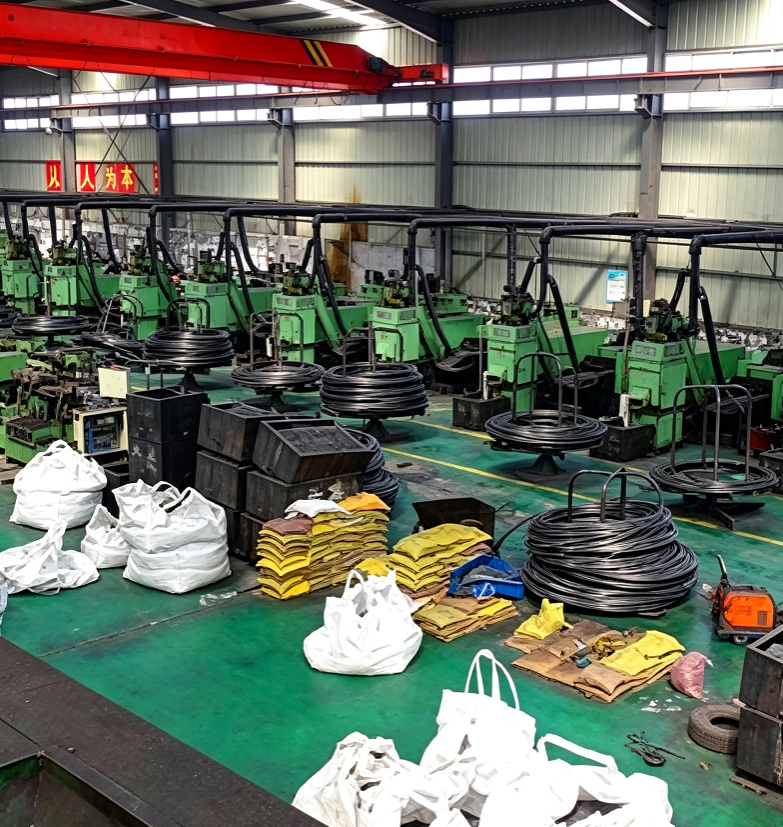
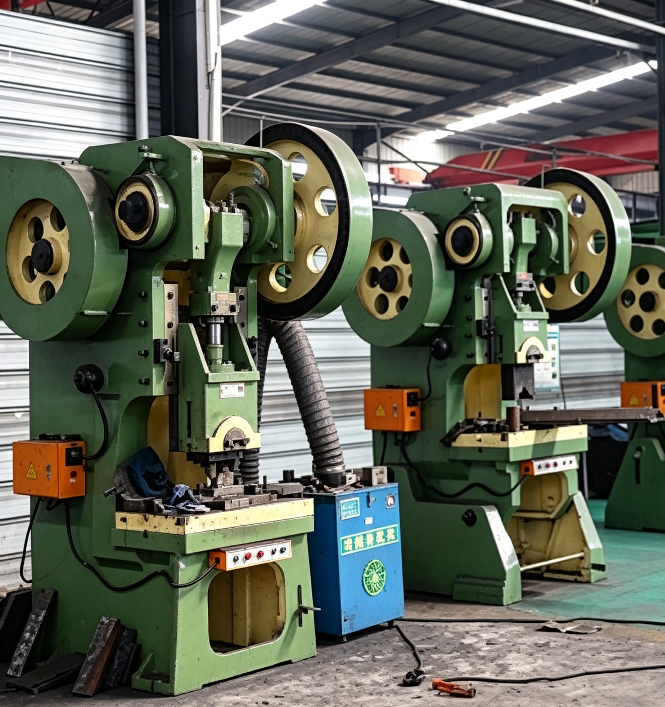
Joints in machinery and heavy equipment operate under impact, cyclic loads, and complex vibration. This sector has driven continued development in fastener grades, anti-loosening technologies, assembly-process control, and failure analysis. It has also made joint reliability an essential component of equipment manufacturers' quality systems.
Steel Structures and Industrial Buildings
Steel structures and industrial facilities emphasize connection consistency, construction records, and long-term environmental durability. Industry requirements extend beyond bolt grades to construction methods, design responsibility, quality acceptance, and follow-up inspection. Structural-joint reliability remains part of life-cycle risk management.
Energy, Transportation, and Infrastructure Projects
Energy, transportation, and infrastructure projects typically involve long service lives, complex environments, and high safety requirements. These sectors have driven stricter fastener technical specifications, third-party verification, and lot traceability requirements, raising the threshold for supplier quality consistency.
Industrial Sheet-Metal Equipment and Enclosure Assembly
Industrial sheet-metal equipment and enclosures may appear to involve lower loads, but they often face thin-sheet deformation, repeated removal, vibration, and limited installation space. This segment demonstrates the relationship between screw grades, thread design, assembly processes, and maintenance accessibility.
Common Consequences of Incorrect Grade Selection
Insufficient Strength Leading to Joint Loosening or Fracture
When a joint system cannot satisfy its real load and assembly requirements, loosening, deformation, and fracture can develop over time. Such fastener failures rarely result from one incorrect grade alone; they usually arise from combined weaknesses in design, manufacturing, installation, and maintenance.
Mismatched Bolt and Nut Grades
Mismatched bolt grades and nut strength classes disrupt the balance of a joint system. The resulting problems may include thread-pair damage, tightening failure, or difficult maintenance. Their root cause is often the failure to treat bolts, nuts, washers, and installation conditions as one connected system.
Fatigue Failure, Thread Stripping, and Over-Tightening
Under ongoing dynamic loads and vibration fatigue, small assembly deviations become amplified over time. Thread stripping, preload loss, and over-tightening are not isolated installation issues; they reflect wider industrial issues involving manufacturing control, tooling, training, and process discipline.
Corrosion, Coating Damage, and Hydrogen Embrittlement Risks
Coating damage, dissimilar-metal contact, and environmental exposure progressively reduce joint durability. Improper surface treatment and hydrogen-relief control may also increase the risk of hydrogen embrittlement. Screwtrade's discussion of corrosion-protection coating selection reinforces that surface treatment must be evaluated together with real service conditions.
How to Write Clear Fastener Technical Requirements for Industrial Procurement
Define Standards, Grades, Dimensions, Threads, and Tolerances
Clear technical documentation is the foundation of orderly industrial procurement. A fastener technical specification enables engineering, purchasing, manufacturing, inspection, and suppliers to work from the same language, reducing misunderstandings caused by unclear naming, outdated standards, or missing tolerances.
Define Material, Heat Treatment, Coating, and Corrosion Requirements
Material, heat treatment, and coating performance form the critical chain behind long-term joint behavior. The increasing precision of these requirements reflects the market's shift from simply purchasing parts to obtaining verifiable performance outcomes.
Define Mechanical-Test Reports, Certificates, and Lot Traceability Requirements
Mechanical property test reports, material certificates, inspection records, and lot traceability information are the principal ways quality responsibility is transferred through industrial supply chains. Documentation is not an administrative burden; it is a mechanism for reducing risk in cross-company collaboration.
How Buyers Should Look Beyond Unit Price When Comparing Suppliers
Industrial sourcing is steadily moving from unit-price comparison to total-value evaluation. Testing capability, delivery consistency, standards knowledge, quality response, and documentation support all affect the final project cost. For critical industrial fasteners, a lower purchase price does not necessarily produce a lower life-cycle cost.
Quality Control and Incoming Inspection for Industrial Fasteners
Visual Inspection, Marking Verification, and Dimensional Checks
Incoming inspection is the first line of defense in an industrial quality system. Checking appearance, markings, dimensions, and thread condition identifies obvious nonconformities and helps prevent parts with different grades, lots, or process conditions from entering production.
Mechanical Testing and Coating-Performance Verification
Through mechanical property testing and coating-performance verification, organizations can confirm whether supplied parts meet the required fastener standards. For critical joints, this validation supports not only delivery acceptance but also manufacturing credibility and end-user safety.
Lot Management, Nonconforming Material Control, and Supplier Accountability
Effective lot traceability limits the spread of quality issues and supports corrective action, supplier improvement, and accountability. Mature fastener-industry management does not focus only on returns after a problem occurs; it uses data and process control to reduce the chance of defects reaching the application stage.
A Practical Selection Process for Industrial Procurement and Engineering Teams
Define the Joint Structure and Service Environment
Industrial fastener selection begins with understanding the joint structure and service conditions. Load characteristics, material combinations, maintenance intervals, and the corrosive environment together define the boundary of a connection solution. Grade discussions without service context have limited engineering value.
Confirm Applicable Standards and Required Strength Classes
Confirming the relevant fastener standards and strength classes translates engineering needs into requirements that can be manufactured, inspected, and delivered. This step connects design, procurement, and manufacturing while reducing supply-chain error.
Match Fasteners, Installation Controls, and Inspection Requirements
Joint quality results from the combined effect of part performance, installation processes, and inspection systems. Stable preload, appropriate clamping force, controlled assembly, and effective incoming inspection determine whether grade requirements can be achieved in real applications.
Complete Sample Validation Before Volume Procurement
The industry value of sample validation is not limited to reviewing a part's appearance. It identifies risks related to standards interpretation, assembly compatibility, and document completeness before volume delivery. It also establishes the foundation for later lot traceability and quality governance.
Conclusion: Treating Fastener Grade Selection as a System-Level Engineering Decision
Fastener grades are a shared language for industrial connection reliability and an indicator of manufacturing capability, standardization, and supply-chain governance. Industry competition is moving beyond single-part supply toward integrated responses to fastener standards, quality evidence, environmental suitability, and long-term accountability. For further discussion around standards, project drawings, or technical documentation, contact Screwtrade through its contact page.

Related News
Other news you might be interested in

Why Self-Drilling Screws Fail to Drill: A Substrate and Installation Checklist
When a self-drilling screw spins against steel without making progress, the purchasing decision becomes urgent: should the installer change the tool settings, should the buyer order a different screw, or should the supplier investigate the batch?A useful diagnosis starts by identifying exactly where drilling stops. Record the material at that point, check the selected screw against the assembly, and then compare installation conditions. This approach gives buyers a clearer basis for deciding what to change and what evidence to request.

Bulk Self-Drilling Screws: An RFQ Checklist for U.S. Importers and Distributors
When sourcing bulk self-drilling screws, a unit price is only useful if you know exactly what it covers. Two quotations may appear to describe the same product while differing in dimensions, coating, packaging, or delivery conditions. For U.S. importers and distributors managing several SKUs, those differences can make supplier comparisons difficult. A clear request for quotation—an RFQ—helps suppliers understand your requirements and gives your purchasing team a consistent basis for reviewing their offers. This checklist explains what to include, which details need confirmation, and how to turn an initial inquiry into a specification that both buyer and supplier can review.
Want to know more?
Get in touch with us for more information about our services and products.