
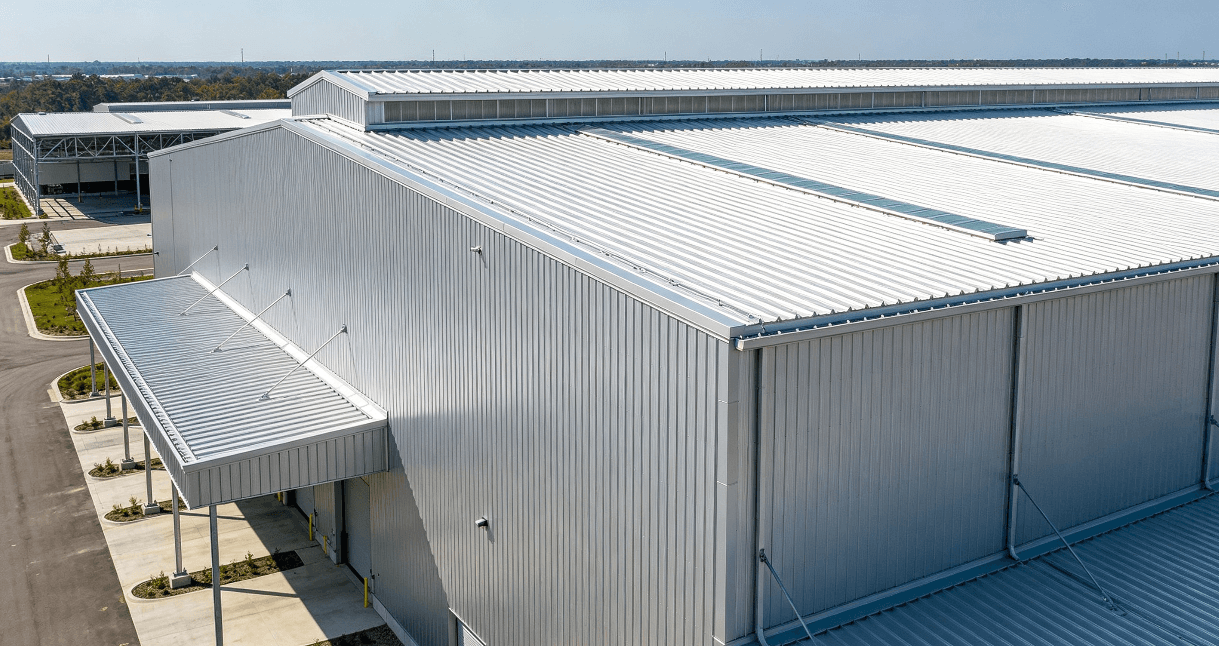
Side Lap Screws vs. Stitching Screws: Selection, Installation, and Durability Management for Metal Roofing and Wall Cladding Systems

Han Congming
AuthorWith experience in screw and fastener manufacturing and sales, we operate our own production facility with stable large-scale capacity. We are specialists in self-drilling screws, drywall screws, chipboard screws, machine screws, bolts, and customized fasteners for construction and industrial applications.
Introduction: Connection Requirements Are Changing in Metal Building Envelopes
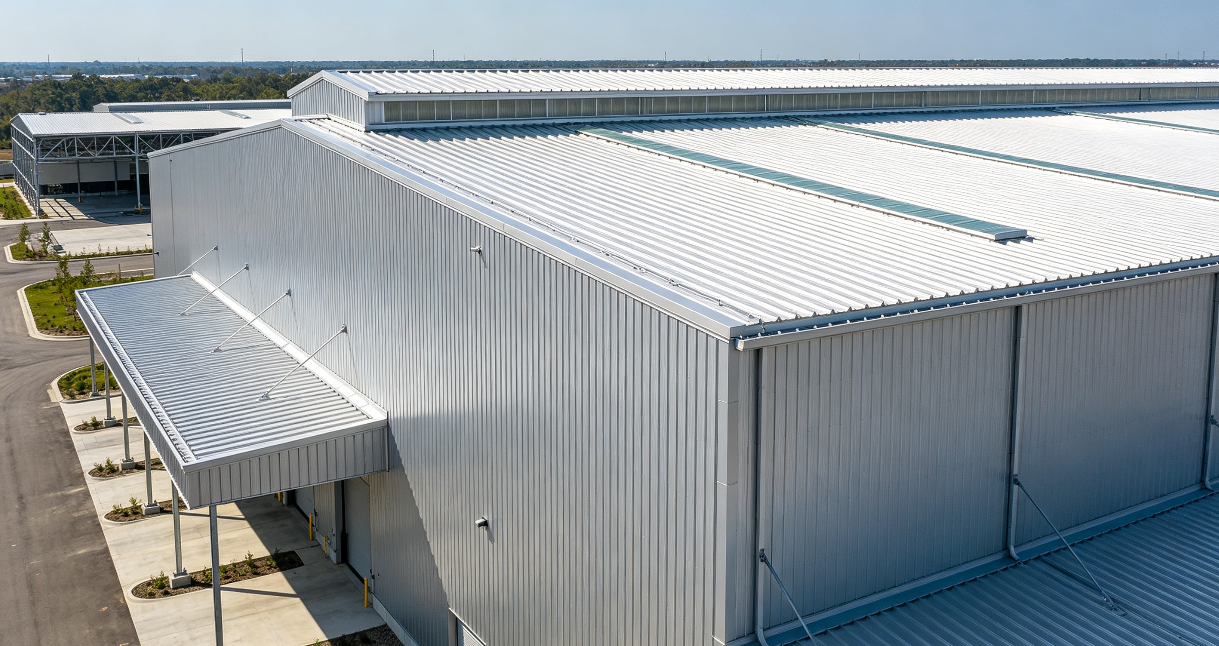
As industrial plants, warehouses, commercial buildings, and prefabricated buildings continue to use metal roofing and wall cladding systems, project priorities are moving beyond installation speed alone. Buyers, contractors, and building owners increasingly consider delivery quality, service life, maintenance cost, and long-term performance risk.
In this context, fasteners are no longer minor installation accessories. They influence local load transfer, panel stability, weatherproof sealing, and maintenance requirements. In particular, side-lap connections between adjacent metal panels remain exposed to wind uplift, thermal movement, vibration, rainwater, and corrosive environments over time.
For this reason, Side Lap Screws and Stitching Screws should not be selected only by name, appearance, or price. They should be evaluated within the complete metal building envelope: what is being connected, where the joint is located, what conditions it will face, and how it will be inspected and maintained.
Why Are Lap Connections Often Underestimated in Metal Building Envelopes?
Lap Connections Are More Than Panel-to-Panel Fixing
In a metal building envelope, roof panels, wall panels, flashings, and trims work together as a protective system. Although a side-lap connection may not serve as the main structural fixing point, it directly affects panel contact, local stability, and the continuity of weatherproof sealing.
From Roof Leaks to Panel Vibration and Maintenance
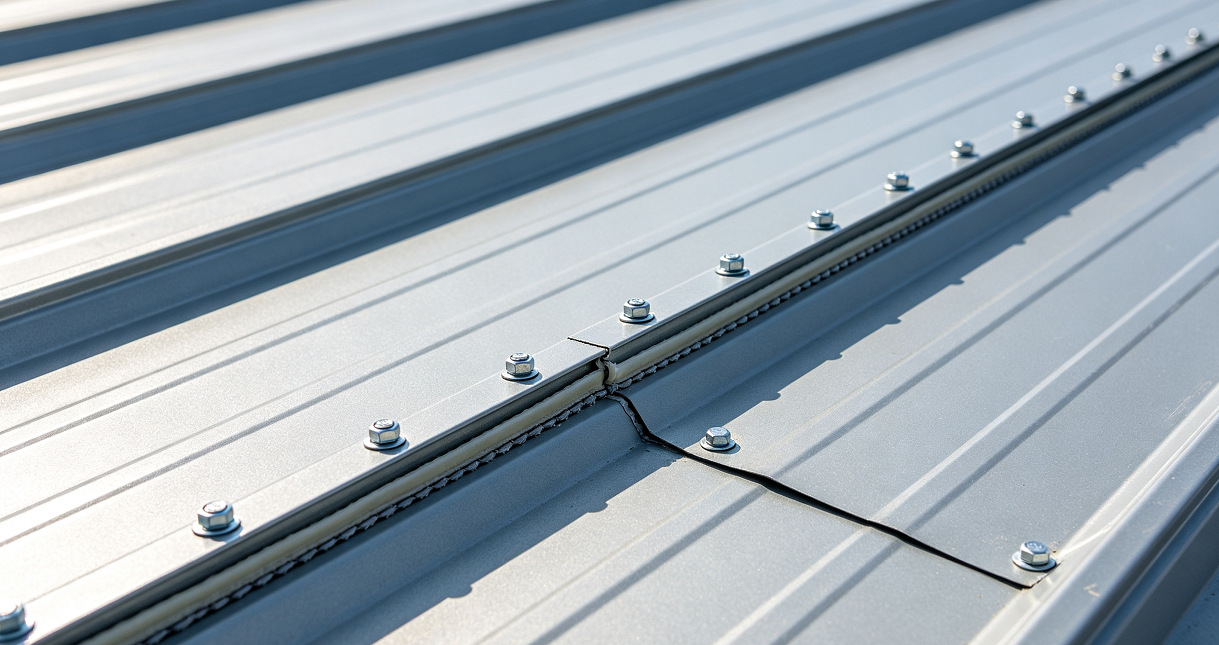
An unsuitable side lap screw or stitching screw may initially cause only minor movement. Over time, wind vibration, temperature changes, and moisture can lead to enlarged holes, damaged coatings, panel deformation, and water ingress. A local connection issue can therefore become a recurring maintenance problem.
The Structural Logic of Roof and Wall Lap Connections
Different Roles of Roof Panels, Wall Panels, Flashings, and Purlins
Fixing a panel to a purlin or substrate mainly supports overall attachment. A side-lap connection between panels serves a different purpose: maintaining joint contact, alignment, and local sealing performance.
Structural Fixing, Lap Fixing, and Sealing Are Not the Same
A side lap screw should not automatically replace a self-drilling screw intended for fixing panels to a substrate. Likewise, a screw that can penetrate metal does not automatically create a watertight joint.
Wind, Thermal Movement, and Vibration Affect Reliability
Wind loads, thermal expansion and contraction, and vibration can cause repeated movement at lap joints. Reliable performance depends on adequate thread engagement, compatible panel geometry, correct installation, and an appropriate fastening strategy.
Side Lap Screws and Stitching Screws: Terms, Functions, and Limits
What Are Side Lap Screws?
Side Lap Screws are primarily used to secure overlapping metal panel edges. They are closely associated with search terms such as metal roofing side lap screws and side lap Tek screws. Their purpose is to keep panel laps secure and aligned.
What Are Stitching Screws?
Stitching Screws are commonly used to join thin metal sheets, panel overlaps, and edge seams. They are often searched as metal roofing stitching screws or stitch lap screws.
Can They Be Used Interchangeably?
Sometimes their applications overlap, but they are not automatically interchangeable. The correct choice depends on total material thickness, joint position, substrate requirements, exposure conditions, and whether the connection has a structural function.
Why “It Can Be Driven In” Is Not a Selection Rule
A screw entering the panel does not prove that the joint has sufficient thread engagement, clamping performance, or long-term durability. Selection should begin with the joint design, not with the screw alone.
Typical Applications Across Building Envelope Systems
Industrial and Warehouse Metal Roofs
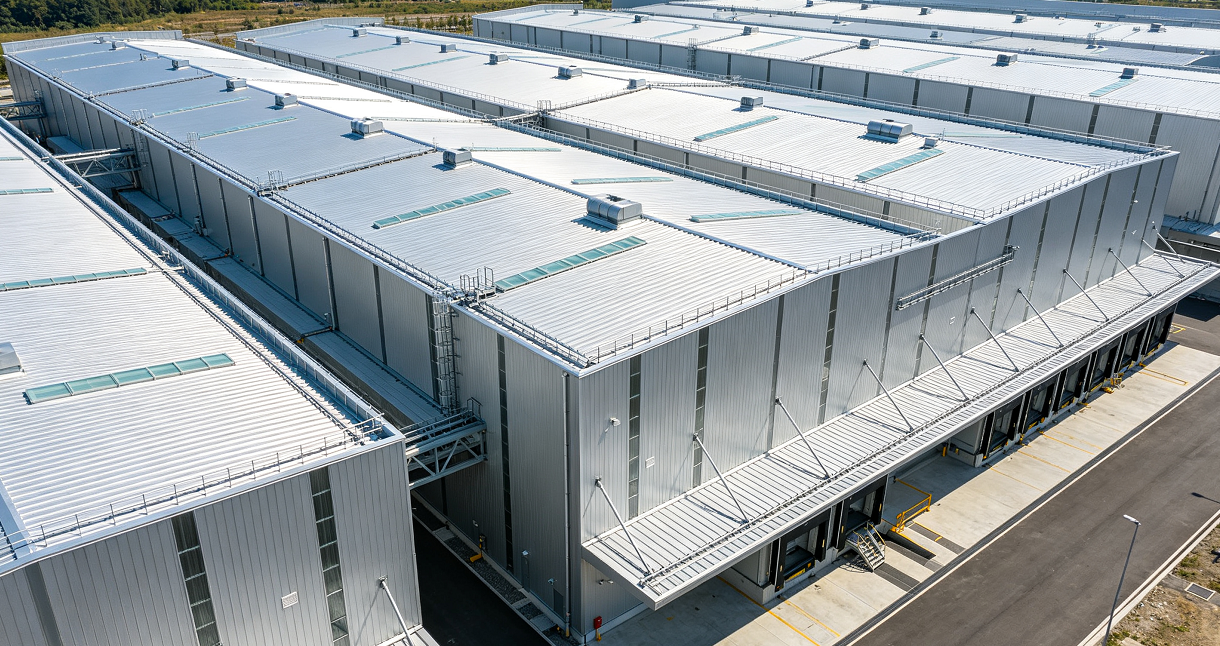
Large metal roofing systems often face long-term weather exposure, wind vibration, and thermal movement. In these projects, metal roofing side lap screws should be evaluated for panel compatibility, sealing requirements, and maintenance access.
Commercial and Prefabricated Wall Systems
For wall cladding systems, fasteners affect both connection stability and visible façade quality. Panel flatness, fastener positioning, and consistent installation are important in exposed areas.
Agricultural and High-Humidity Buildings
Agricultural, coastal, humid, and polluted environments require greater attention to corrosion resistance, protective finishes, and local sealing. Where appropriate, washers and sealing components can support the overall connection design.
Different Requirements for Roofs and Walls
Metal roofing requires particular attention to drainage, leakage risk, and wind uplift. Wall cladding systems often place greater emphasis on façade stability, appearance, and lap alignment.
Factors That Influence Long-Term Lap-Joint Performance
Panel Material, Coating, and Total Lap Thickness
Panel material, coating, and total lap thickness affect drill-point requirements, screw length, and effective thread engagement. These factors also help distinguish the use of sheet metal screws, self-tapping screws, self-drilling screws, and metal-to-metal screws.
Joint Load, Vibration, and Thermal Movement
Connections near edges, openings, and high-exposure zones may face different movement and loading conditions from standard panel laps. These differences should be considered during design and installation planning.
Rainwater, Condensation, Corrosion, and Contaminants
For exposed connections, corrosion resistance and weatherproof sealing are part of the same long-term performance question. The material, finish, joint design, and maintenance approach should work together.
Sealing Design, Installation Direction, and Drainage
Whether an EPDM sealing washer is needed depends on more than the screw itself. Panel overlap direction, screw location, drainage routes, and installation quality all affect sealing performance.
How to Select Side Lap Screws and Stitching Screws
Start with the Connection Structure
First confirm whether the joint is panel-to-panel, panel-to-purlin, or trim-related. This determines whether the application calls for a side lap screw, stitching screw, self-drilling screw, or another fastening solution.
Match Drill Point, Thread, Diameter, and Engagement
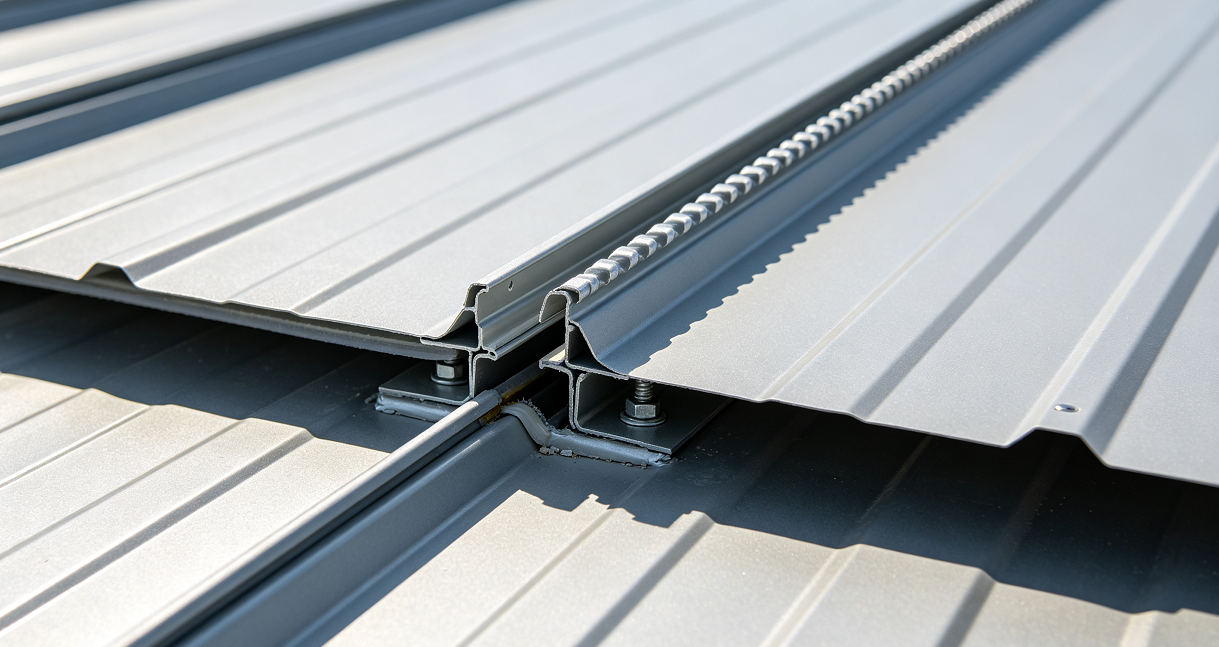
The drill point should match the material and installation method. Length, diameter, and thread form should provide sufficient thread engagement without causing avoidable panel deformation.
Consider Panel Profile and Installation Access
Panel geometry, installation space, tool access, and driving angle all affect results. For relevant applications, see Screwtrade’s TEK screw category.
Consider Sealing and Corrosion Protection When Needed
For exposed, humid, or corrosive environments, assess the need for EPDM sealing washers, protective coatings, stainless steel, or bi-metal fastening solutions. The goal is compatibility with the full system, not simply selecting a premium material.
From Drawings to Site Installation
What Should Be Confirmed Before Installation?
Before work begins, confirm panel material, thickness, profile, overlap arrangement, joint location, drawings, environmental conditions, and weatherproof sealing requirements.
Fastener Position and Consistent Panel Overlap
Side lap screws should be positioned in suitable overlap areas so that panels remain aligned and stable. Installation spacing should follow the project design rather than improvised site habits.
Risks of Overdriving, Underdriving, and Misalignment
Excessive installation torque can deform panels, damage coatings, or over-compress EPDM sealing washers. Insufficient tightening can permit movement, while off-position driving may reduce thread engagement and affect appearance.
Managing Site Tolerances and Structural Differences
When site conditions differ from drawings, the fastening approach should be reviewed. Randomly increasing screw length or changing screw types may introduce new risks rather than solve the underlying problem.
Common Failure Modes and Their Causes
Loose Screws and Enlarged Holes
Common causes include insufficient thread engagement, repeated panel movement, vibration, or incorrect installation angle. The wider connection condition should be reviewed, not only the individual screw.
Leaking Lap Edges and Sealing Failure
Leaks may involve EPDM sealing washers, but they can also result from overlap direction, panel deformation, poor drainage, or incorrect screw placement.
Panel Deformation, Coating Damage, and Early Corrosion
Overdriving, poor tool control, or an unsuitable protective finish can damage panels and increase the risk of early corrosion.
Performance Loss Caused by Incorrect Screw Substitution
Replacing a required self-drilling screw with a general self-tapping screw, or using a side lap screw for structural fixing, can move the connection away from its intended performance level.
Durability Management for Metal Building Envelopes
Materials and Coatings Affect Maintenance Cycles
The maintenance burden of exposed fasteners depends on material selection, protective coatings, sealing design, and environmental exposure. Long-term cost should be considered alongside initial purchase cost.
What Should Be Checked During Inspections?
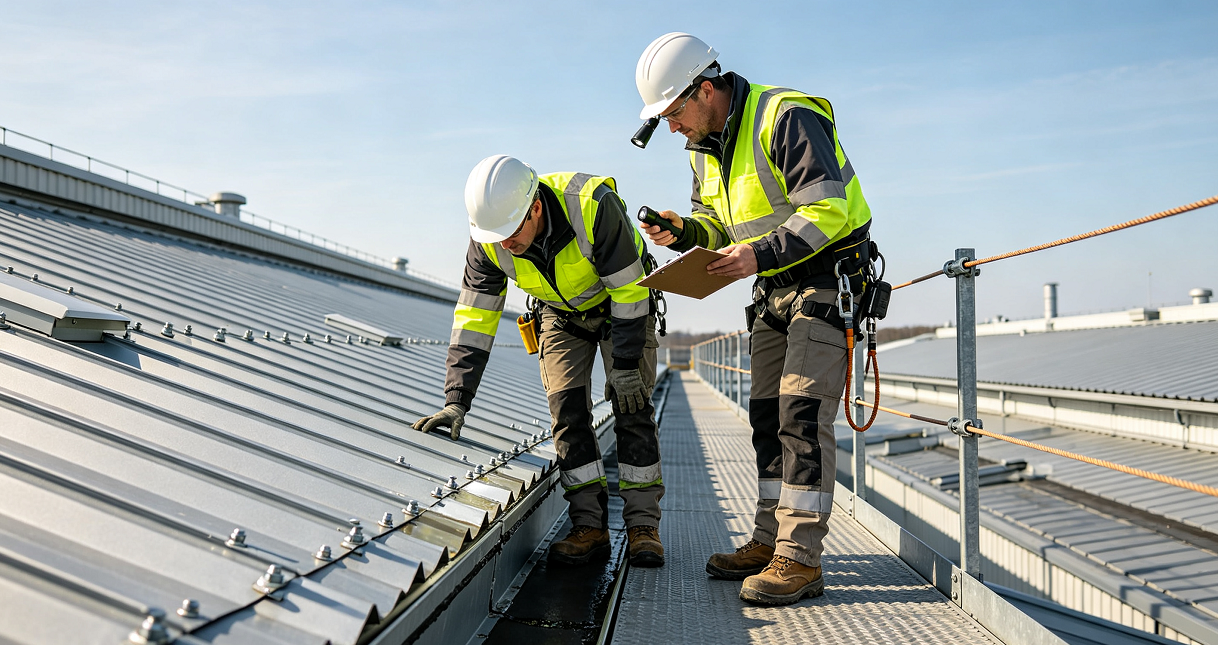
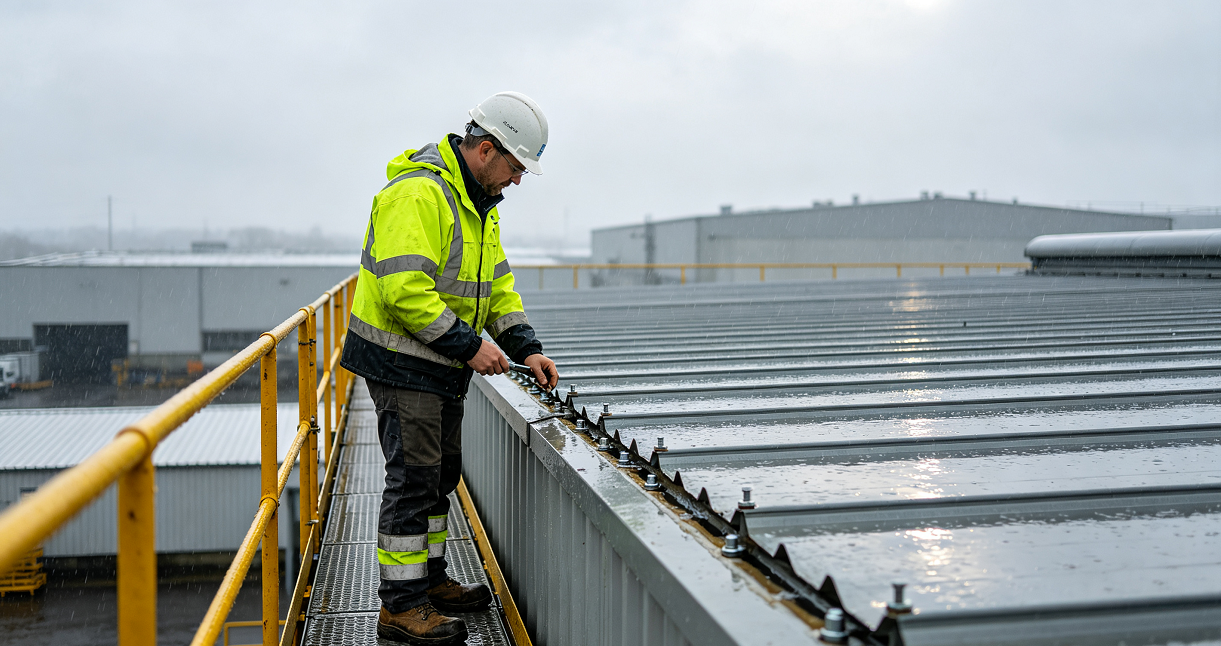
Routine inspections should review loose lap edges, open seams, panel distortion, damaged coatings, corrosion signs, and weatherproof sealing conditions.
Fastener Selection During Repair and Retrofit Work
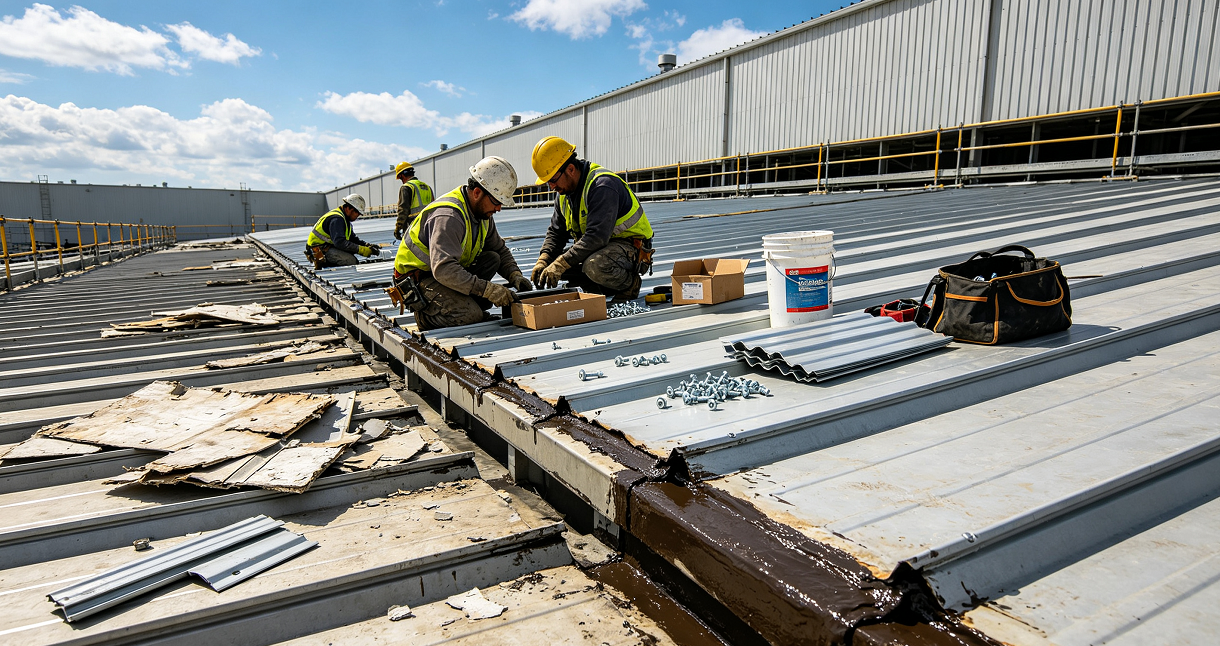
During repairs, replacement Side Lap Screws or Stitching Screws should match the existing panel structure, joint purpose, and exposure conditions as closely as possible.
New Industry Expectations for Lap-Fastening Solutions
Faster Installation in Prefabricated and Modular Construction
Prefabricated buildings and modular construction place more emphasis on installation efficiency, specification consistency, and predictable site execution.
Higher Expectations for Long-Life Roof and Wall Systems
Long-life metal roofing and wall cladding systems require attention to corrosion resistance, sealing continuity, maintenance access, and lifecycle performance.
From Single-Fastener Purchasing to System-Level Decisions
B2B buyers increasingly assess panels, screws, sealing parts, surface finishes, quality consistency, and technical communication as one integrated connection solution rather than comparing a single fastener price.
Information to Confirm for B2B Projects
Panel Type, Thickness, Profile, and Lap Design
These details determine drill-point requirements, length, head style, and expected thread engagement. They are the basis for specifying Side Lap Screws and Stitching Screws.
Installation Location, Environment, and Sealing Needs
A purchase inquiry should clarify whether the application is for a roof or wall, whether the joint is exposed, the humidity and corrosion conditions, and whether EPDM sealing washers are required.
Specifications, Finishes, and Batch Consistency
For volume projects, specifications, materials, surface treatments, and packaging identification should be confirmed consistently. For project-specific assistance, use the Screwtrade contact page.
Frequently Asked Questions
What Is the Main Difference Between Side Lap Screws and Stitching Screws?
Side Lap Screws focus on joining adjacent panel overlaps, while Stitching Screws focus on joining thin sheet overlaps or seams. The actual selection should follow the joint design.
Can Side Lap Screws Be Used for Panel-to-Purlin Structural Fixing?
Not by default. Panel-to-purlin fixing has a different structural purpose and should be selected according to the project design and substrate conditions.
When Does a Metal Roof Lap Joint Need an EPDM Sealing Washer?
An EPDM sealing washer should be evaluated when a joint is exposed to weather and requires improved weatherproof sealing continuity.
How Is Screw Length Selected for a Lap Joint?
The selected screw should provide appropriate thread engagement after passing through the total lap thickness, while also considering the connection location and whether a substrate is involved.
How Should Corrosion Be Considered in Outdoor, Humid, or Coastal Environments?
Assess material, protective coating, stainless steel or bi-metal options, expected maintenance conditions, and the relationship between corrosion resistance and weatherproof sealing.
Conclusion: Build a More Reliable Connection System with Screwtrade
Screwtrade is an industrial fastener partner for metal roofing, wall cladding systems, and project-based fastening applications. We help buyers move beyond choosing a screw by name or price, and address the real issues behind lap-joint performance: incorrect use of Side Lap Screws, Stitching Screws, and self-drilling screws; insufficient thread engagement; unsuitable corrosion protection; and inconsistent weatherproof sealing.
By reviewing your panel material, total thickness, lap-joint design, installation environment, and sealing requirements, we can help identify a more suitable fastening approach, including the right roofing fasteners, TEK screws, protective finishes, and EPDM sealing washer options. Our goal is to support stable installation, clearer procurement decisions, and fewer avoidable maintenance issues across your project lifecycle.
Do not leave a critical lap connection to assumption. Contact Screwtrade today with your panel details, drawings, or project requirements, and let our team help you turn your fastening questions into a practical, project-ready solution.
Related News
Other news you might be interested in

Why Self-Drilling Screws Fail to Drill: A Substrate and Installation Checklist
When a self-drilling screw spins against steel without making progress, the purchasing decision becomes urgent: should the installer change the tool settings, should the buyer order a different screw, or should the supplier investigate the batch?A useful diagnosis starts by identifying exactly where drilling stops. Record the material at that point, check the selected screw against the assembly, and then compare installation conditions. This approach gives buyers a clearer basis for deciding what to change and what evidence to request.

Bulk Self-Drilling Screws: An RFQ Checklist for U.S. Importers and Distributors
When sourcing bulk self-drilling screws, a unit price is only useful if you know exactly what it covers. Two quotations may appear to describe the same product while differing in dimensions, coating, packaging, or delivery conditions. For U.S. importers and distributors managing several SKUs, those differences can make supplier comparisons difficult. A clear request for quotation—an RFQ—helps suppliers understand your requirements and gives your purchasing team a consistent basis for reviewing their offers. This checklist explains what to include, which details need confirmation, and how to turn an initial inquiry into a specification that both buyer and supplier can review.
Want to know more?
Get in touch with us for more information about our services and products.