
Self-Tapping Screws with Washers: Reliable Fastening Solutions for Modern Construction

Han Congming
AuthorWith experience in screw and fastener manufacturing and sales, we operate our own production facility with stable large-scale capacity. We are specialists in self-drilling screws, drywall screws, chipboard screws, machine screws, bolts, and customized fasteners for construction and industrial applications.
As metal roofing, wall panels, light-gauge steel structures, and prefabricated construction continue to expand across industrial facilities, commercial buildings, and infrastructure projects, construction fasteners are no longer merely connection components. They have become an important factor in system durability, installation efficiency, and long-term maintenance costs. In high-humidity, coastal, high-wind, and high-temperature-variation environments, the ability of a fastener to maintain stable clamping force and reliable sealing directly affects the service life of roofing and building envelope systems.
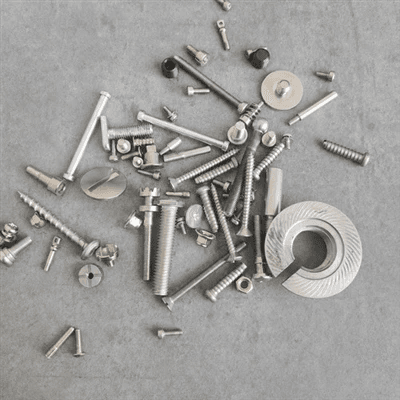
Self-tapping screws with washers are widely used in response to these demands. The screw creates a reliable connection in metal sheets, timber substrates, or light-gauge steel components, while the washer distributes pressure, protects the panel surface, and supports sealing to reduce the risk of leakage, loosening, and corrosion. As construction projects demand greater waterproofing performance, weather resistance, and installation consistency, selecting the right screw-and-washer combination for the substrate, environment, and engineering requirements has become a key issue in modern construction fastening.
Why Modern Construction Needs More Reliable Fastening Solutions
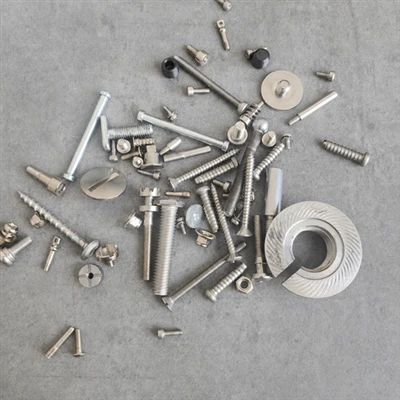
Modern building envelope systems are moving toward lightweight construction, prefabrication, energy efficiency, and longer service life. Whether used in metal roofing systems, metal wall panels, sandwich panel projects, or light-gauge steel structures, fasteners must secure a large number of connection points within limited construction time. Although each fixing point is small, it affects component connection, surface protection, and hole sealing at the same time.
Under heavy rain, salt spray, temperature changes, and continuous wind loads, fastening points can become vulnerable areas of the building envelope. If fasteners are not properly matched with the substrate, or if installation quality is inconsistent, problems such as water leakage, coating damage, localized corrosion, and panel loosening may occur. For this reason, the industry is shifting its focus from installation speed alone to reliable fastening solutions that combine durability, sealing performance, and lifecycle maintenance value.
What Are Self-Tapping Screws with Washers?
How Self-Tapping Screws Form Threads
Self-tapping screws use their threads to form a mating connection in pre-drilled holes, pre-punched holes, or suitable thin-gauge substrates. This allows metal sheets, steel components, or timber substrates to achieve stable clamping force. Compared with traditional drilling, tapping, and fastening processes, proper use of self-tapping fastening technology can reduce on-site steps and improve installation efficiency and consistency.
In sheet metal fastening, wall panel installation, and light-gauge steel assembly, sheet metal self-tapping screws can meet common thin-sheet connection requirements. Their value lies not only in faster installation, but also in maintaining reliable thread engagement under design loads and changing environmental conditions.
The Difference Between Self-Tapping Screws and Self-Drilling Screws
Self-tapping screws and self-drilling screws are often discussed together, but their installation mechanisms are not identical. Self-tapping screws are generally suitable for pre-drilled holes, pre-punched holes, or substrates where threads can be formed easily. Self-drilling screws feature a drill point and can drill and fasten into metal of a specified thickness.
For metal-to-metal fastening, thicker steel, or projects requiring higher installation efficiency, attention should be given to the drill-point capability, applicable steel thickness, and effective clamping range of self-drilling screws. For thin sheet, sheet metal, or pre-drilled-hole connections, greater attention should be paid to self-tapping threads, thread engagement, resistance to loosening, and sealing requirements.
The Role of Washers in a Fastening System
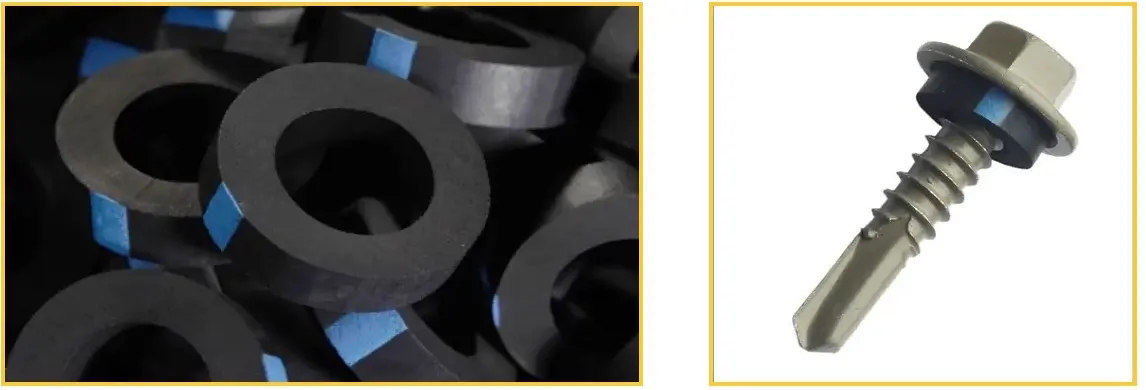
Adding a washer allows self-tapping screws to serve not only as connection components, but as part of a complete sealing fastening system. Washers increase the contact area, reduce localized pressure damage to the panel surface and coating, and help prevent rainwater and moisture from entering through fixing holes in roofing and external wall applications.
For building envelope systems exposed to thermal expansion, contraction, vibration, or long-term weathering, washers help maintain more even contact pressure. The decision to use a washer should be based on the building environment, panel type, waterproofing requirements, and expected service life, rather than on initial cost alone.
How Washers Improve Sealing, Load Stability, and Service Life
The Waterproof Sealing Function of EPDM Washers
EPDM washers offer good weather resistance, ozone resistance, and resistance to temperature changes. They are therefore widely used in metal roofing screws, wall panel fasteners, and other exterior fixing applications. When a screw is tightened with the correct torque, an EPDM sealing washer can create stable contact with the panel surface and reduce the possibility of rainwater entering the building envelope through the fixing hole.
However, sealing performance does not depend on washer material alone. Panel surface condition, installation angle, fixing location, and installation torque all affect the final result. In projects exposed to outdoor conditions over long periods, waterproof roofing fasteners should be treated as part of the overall building protection system.
The Load-Bearing Advantages of Metal and Composite Washers
Metal washers help distribute localized pressure from the screw head and improve load stability around the connection area. Composite washers or bonded washers, which combine a metal backing with an elastic sealing material, can provide both support and sealing performance for locations with higher weather-resistance and waterproofing demands.
In high-wind, vibration-prone, or thermally active panel systems, too small a contact area may lead to localized panel deformation. Excessive tightening, however, may damage the coating or crush the sealing material. The role of a washer is not simply to add thickness, but to create a more stable load-distribution and sealing interface.
How to Reduce Leakage, Surface Damage, and Screw Loosening
The risk of water leakage is often related to incorrect fixing locations, uneven washer compression, tilted screws, or damaged panel surfaces. If the surface coating is damaged during installation, localized corrosion can accelerate and affect the appearance and durability of roofing and wall systems.
Using properly matched self-tapping screws with washers, controlling installation torque, maintaining perpendicular driving, and conducting on-site quality checks can reduce these risks. For large-scale metal roofing projects, consistent installation standards and inspection procedures are also essential to fastening quality.
Main Construction Applications of Self-Tapping Screws with Washers
Metal Roofing and Wall Panel Installation
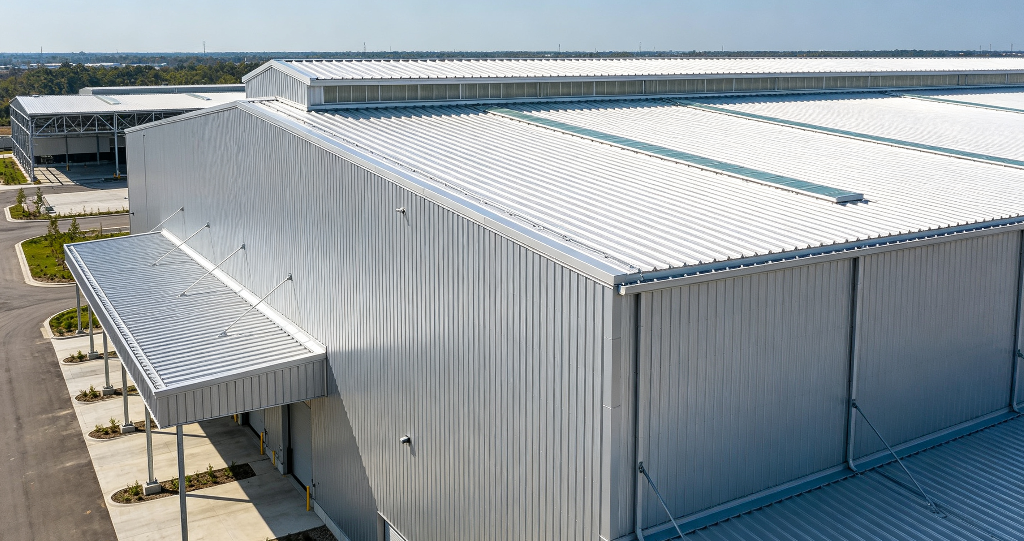
In metal roofing and metal wall panel systems, fixing points secure the panels while also determining the continuity of envelope waterproofing. Fasteners with washers can distribute loads, protect the surface, and seal fixing holes during panel installation. They are therefore widely used in industrial plants, warehouse buildings, and commercial construction projects.
As building designs place greater emphasis on weather resistance, energy efficiency, and visual stability, the selection of roofing fasteners should be considered alongside panel coatings, roof slope, drainage design, and local climate conditions.
Metal-to-Metal Fastening in Steel Structures
Metal-to-metal screws are mainly used to connect steel sheets, steel purlins, light-gauge steel, and related components. These applications usually require attention to substrate thickness, clamping range, pull-out resistance, and connection stability, particularly in industrial plants, steel buildings, and metal envelope projects.
When connection points are exposed to outdoor conditions, metal-to-metal roofing screws must also provide sealing and corrosion resistance. Engineering selection should not be based on screw length or price alone, but on the actual substrate combination, structural requirements, and environmental conditions.
Metal-to-Wood Fastening in Roofing Substructures
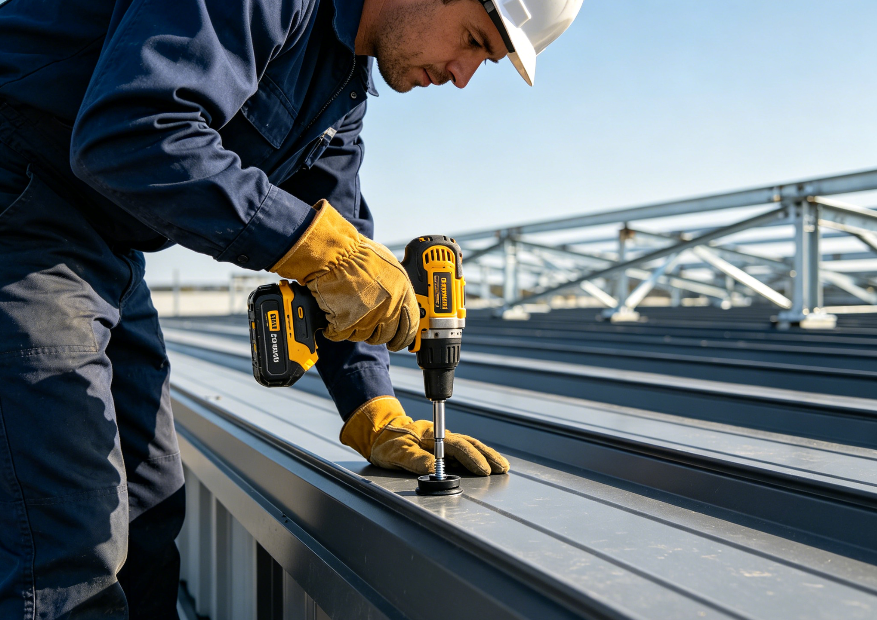
In some roofing and wall assemblies, metal panels are fixed to timber substrates. In these applications, metal-to-wood screws must accommodate both the metal sheet and the timber base. Screw length, thread design, and washer configuration all affect fastening performance.
The objective is not merely to penetrate the metal panel. The screw must also achieve sufficient effective engagement in the timber while maintaining the sealing integrity of the panel surface.
Sandwich Panel Installation and Fixing
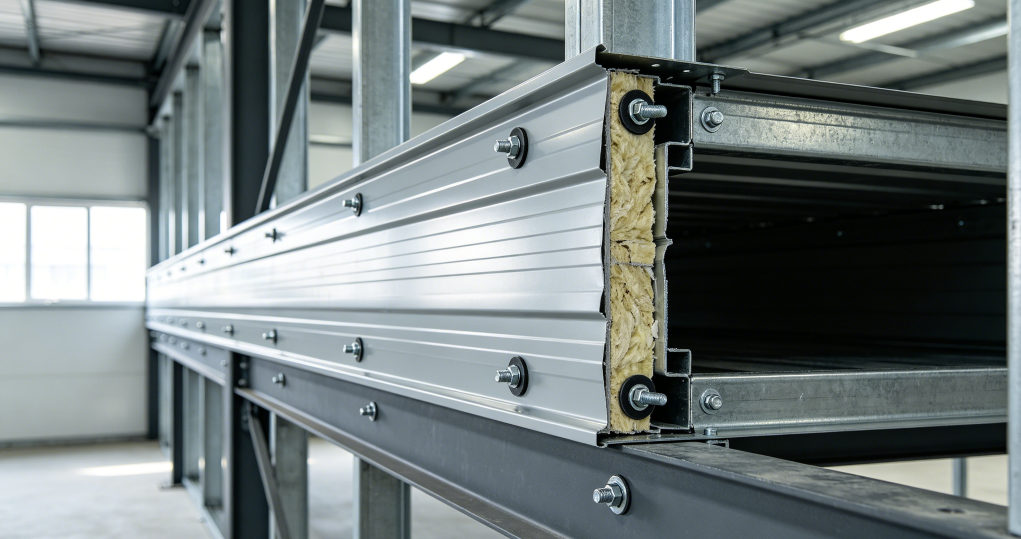
Sandwich panel screws are widely used in insulated roofing, external wall systems, and prefabricated buildings. Since sandwich panels commonly include face sheets, insulation layers, and a supporting structure, fasteners must accommodate different assembly thicknesses while maintaining reliable compression and sealing after installation.
With the continued development of energy-efficient construction and industrialized building methods, the reliability of a sandwich panel fastening system directly affects thermal performance, waterproofing, and service life. Proper matching of screws and washers is a critical engineering detail.
Light-Gauge Steel Structures and Prefabricated Construction
Light-gauge steel structures and prefabricated construction emphasize standardization, modularization, and on-site installation efficiency. As a result, they require higher levels of fastener installability and consistency. Light-gauge steel screws not only connect components, but also influence alignment, assembly precision, and construction progress.
In these projects, a reliable fastening solution helps reduce on-site processing and rework while making connections between different components more controllable. Washer-equipped designs are especially valuable in building envelope areas where both fastening and protection are required.
HVAC Ductwork and Sheet Metal Assembly
In HVAC ductwork, ventilation equipment, and sheet metal assemblies, fasteners must accommodate thin-sheet connections, field assembly, and vibration. HVAC sheet metal screws are commonly used for duct joints, equipment housings, and auxiliary component fixing. Their connection stability affects assembly quality and future maintenance convenience.
Although waterproofing requirements in these applications may differ from those of roofing, washers can still reduce surface damage and improve contact stability, especially in exterior installations where sealing and durability are important.
How to Choose the Right Self-Tapping Screws with Washers
Select According to Substrate Type and Thickness
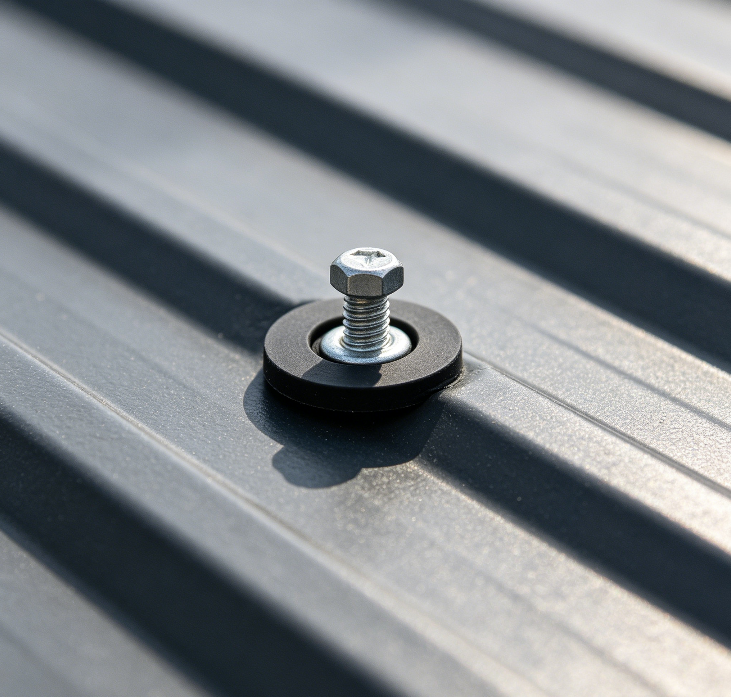
When selecting self-tapping screws with washers, first identify whether the connection involves thin steel sheet, thick steel, timber, sandwich panels, or mixed substrates. Different substrates have different requirements for thread engagement, drilling capability, and effective fastening length. A single fastening solution should not be assumed suitable for every condition.
For thick steel or steel structure applications, the drill-point capability and applicable thickness range of self-drilling screws should be assessed. For thin sheet, pre-drilled holes, or sheet metal connections, attention should be given to self-tapping thread formation and resistance to loosening.
Select According to Screw Diameter, Length, and Thread Design
Screw diameter, screw length, and thread design together determine the clamping range and engagement quality of a connection. Insufficient length can result in inadequate engagement with the substrate, while excessive length may increase installation difficulty and affect appearance or construction safety.
In multilayer panel systems, insulated assemblies, or complex substrates, the actual build-up thickness should be calculated. Engineering selection should be based on the complete connection requirement, not on the thickness of the exposed panel alone.
Select According to Head Style and Drive Type
Different screw head styles and drive types affect installation efficiency, load distribution, and installation stability. For roofing and wall systems, a suitable head style helps control installation torque. For interior panels or locations with higher aesthetic requirements, selection should follow the assembly and design requirements.
For a detailed technical reference, see Screwtrade’s hex washer head self-drilling screw size chart and buying guide. The key is to ensure that installation tools, driving angle, and torque settings are compatible with the fastener design, avoiding washer and panel damage caused by cam-out, misalignment, or over-tightening.
Select According to Washer Diameter and EPDM Quality
Washer diameter determines the area over which pressure is distributed, while EPDM material affects long-term sealing and weather resistance. For roofing, external walls, and high-humidity areas, the washer should remain evenly seated after tightening, rather than cracking, extruding, or losing elasticity.
When evaluating EPDM washer screws, attention should be paid to compression recovery, aging resistance, and compatibility with the panel surface in actual service conditions, rather than simply comparing material names or appearance.
Choosing Carbon Steel, Stainless Steel, and Bi-Metal Screws
Carbon steel screws, stainless steel screws, and bi-metal self-drilling screws each have different application advantages. Carbon steel is generally appropriate for standard environments. Stainless steel is better suited to areas with higher corrosion-resistance requirements. Bi-metal construction can combine the corrosion resistance of stainless steel with the drilling capability of a carbon steel drill point.
For coastal, high-humidity, or chemically aggressive environments, bi-metal fasteners and appropriate corrosion-protection measures can provide greater engineering value. Material selection should match expected building life, maintenance planning, and environmental classification.
Coating Selection for Coastal and Corrosive Environments
Coastal conditions, industrial pollution, and high humidity can accelerate corrosion of fasteners and panel fixing areas. In addition to substrate selection, corrosion-resistant coatings, surface treatment, and sealing design influence long-term performance. For such projects, corrosion-resistant roofing screws should form part of an overall protection strategy.
Matching coatings suitable for the environmental exposure level with EPDM sealing washers, panel coatings, and correct installation practices can help reduce the risks of localized corrosion and water ingress.
How Proper Installation Protects Roofing and Wall System Performance
Appropriate Screw Spacing and Fixing Locations
Screw spacing and fixing locations should comply with panel profiles, structural design, and local wind-load requirements. Too few fixing points may allow panels to move under wind pressure or temperature changes. Poorly arranged fixing points may reduce the overall stability of roofing and wall systems.
In practice, fixing layouts should be determined according to the panel profile, supporting structure, and lap arrangement of the metal roofing system. Connection performance should not depend entirely on individual fixing points.
Avoid Over-Tightening and Under-Tightening
Over-tightening can deform an EPDM washer excessively, causing cracking or extrusion. Under-tightening may fail to create effective compression, increasing the risk of loosening and leakage. Both conditions reduce the long-term reliability of the sealing fastening system.
Screwtrade’s guide to self-drilling screw installation torque further explains how excessive driving force can result in thread stripping and seal failure. Installation teams should establish repeatable standards through consistent tool settings and sample inspections.
Maintaining Proper EPDM Washer Compression
Under correct installation conditions, an EPDM washer should sit evenly between the screw head and panel surface, creating continuous sealing without obvious distortion, cracking, or suspended areas. Proper compression allows the washer to accommodate temperature changes and minor material movement.
This detail is particularly important in metal roofing installation, as fixing holes are potential pathways for water ingress. The condition of the washer is also an important visual indicator of installation quality.
Common Installation Problems and Their Causes
Common issues include tilted screws, damaged washers, incorrect drilling positions, inconsistent installation torque, and scratches on panel surfaces. Although these issues may appear minor, they can develop into leakage, corrosion, and connection loosening over time.
Pre-installation training, site sampling inspections, and tool maintenance can significantly improve fastening installation quality. The industry’s increasing focus on high-quality installation also shows that construction fasteners are evolving from ordinary consumables into critical system components.
Fastening Solutions for Different Project Environments
Standard Commercial Buildings
For standard commercial buildings, self-tapping screws with washers should meet basic connection, installation-efficiency, and everyday weather-resistance requirements. Selection should align with panel type, supporting structure, and the building maintenance cycle, avoiding both over-specification and insufficient specification.
High-Humidity and Coastal Environments
In high-humidity and coastal areas, salt spray and continuous moisture place long-term demands on metal fasteners, panel edges, and fixing holes. These projects should place greater emphasis on the combined performance of stainless steel screws, bi-metal self-drilling screws, corrosion-resistant coatings, and sealing washers.
High-Wind Roofing Systems
A metal roofing system in a high-wind environment must balance pull-out resistance, panel stability, and sealing reliability. In addition to choosing suitable fasteners, the fixing layout, panel lap design, and construction quality-control process must follow engineering requirements.
For projects involving side laps, Screwtrade’s article on side lap screws and stitching screws provides relevant selection and installation considerations for metal roofing and wall-cladding systems.
Energy-Efficient Metal Roofing and Sandwich Panel Projects
In energy-efficient metal roofing and sandwich panel projects, fasteners not only connect components but may also affect waterproofing and insulation continuity. Appropriate selection of sandwich panel screws and matching washers can help projects balance installation efficiency with long-term performance.
The Value of Reliable Fasteners in Sustainable Construction
Sustainable construction focuses not only on the materials used, but also on durability and maintenance costs throughout the building lifecycle. Reliable building fastening systems can reduce the likelihood of localized leakage, corrosion spread, and frequent repairs, thereby lowering material and resource consumption caused by component failure.
For prefabricated and industrialized construction, standardized fastening solutions can also improve installation efficiency, reduce on-site uncertainty, and support more stable long-term performance from building envelope systems. Durability, maintainability, and installation consistency are becoming increasingly important criteria for evaluating fastening solutions.
Conclusion: Building Long-Term Reliability Through Systematic Selection
The role of self-tapping screws with washers in modern construction goes beyond simply securing materials. Only by considering screw type, washer design, substrate combination, environmental exposure, and installation quality within a systematic selection process can a project truly improve the durability and sealing reliability of its connection points.
As demand continues to grow for metal roofing, light-gauge steel structures, sandwich panels, and prefabricated construction, the industry needs to view every fastening point through a more complete engineering perspective. Reliable connections ultimately support longer building service life and more controllable maintenance costs. For project-specific fastening requirements, readers may contact Screwtrade for product and application support.
Related News
Other news you might be interested in

Why Self-Drilling Screws Fail to Drill: A Substrate and Installation Checklist
When a self-drilling screw spins against steel without making progress, the purchasing decision becomes urgent: should the installer change the tool settings, should the buyer order a different screw, or should the supplier investigate the batch?A useful diagnosis starts by identifying exactly where drilling stops. Record the material at that point, check the selected screw against the assembly, and then compare installation conditions. This approach gives buyers a clearer basis for deciding what to change and what evidence to request.

Bulk Self-Drilling Screws: An RFQ Checklist for U.S. Importers and Distributors
When sourcing bulk self-drilling screws, a unit price is only useful if you know exactly what it covers. Two quotations may appear to describe the same product while differing in dimensions, coating, packaging, or delivery conditions. For U.S. importers and distributors managing several SKUs, those differences can make supplier comparisons difficult. A clear request for quotation—an RFQ—helps suppliers understand your requirements and gives your purchasing team a consistent basis for reviewing their offers. This checklist explains what to include, which details need confirmation, and how to turn an initial inquiry into a specification that both buyer and supplier can review.
Want to know more?
Get in touch with us for more information about our services and products.