
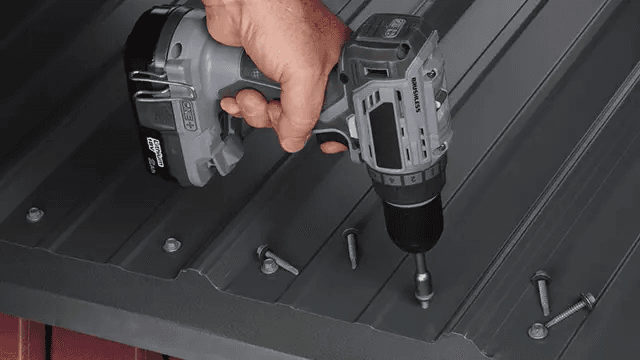
Self-tapping screws with EPDM washers: Maintain reliable fastening even under extreme environments

Han Congming
AuthorWith experience in screw and fastener manufacturing and sales, we operate our own production facility with stable large-scale capacity. We are specialists in self-drilling screws, drywall screws, chipboard screws, machine screws, bolts, and customized fasteners for construction and industrial applications.
What Makes EPDM Washers Different from Regular Washers?
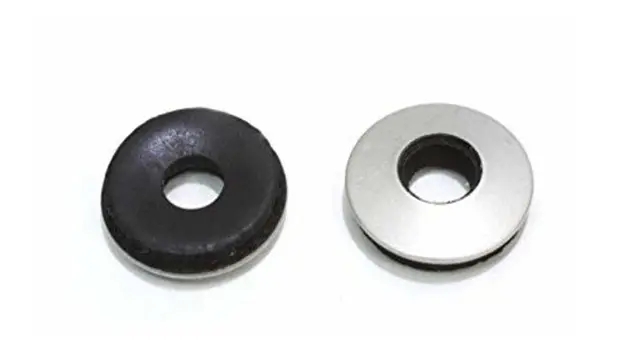
EPDM (Ethylene Propylene Diene Monomer) washers are made from a synthetic rubber that is highly resistant to UV rays, ozone, and extreme temperatures. Unlike standard rubber washers that crack or harden over time, EPDM maintains flexibility.
This makes them well-suited for desert and coastal climates, where heat, sun, and sand exposure can quickly damage other materials. When paired with self-drilling screws, they create a tight seal that keeps moisture and dust out.
Why Are Self-Drilling Screws Important in Harsh Environments?
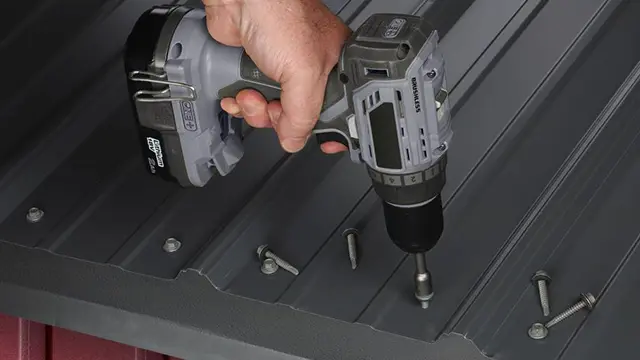
Self-drilling screws have a drill point that eliminates the need for pre-drilling. In regions with large-scale roofing or steel-framed projects, this reduces labor time significantly.
In sandy or hot regions, contractors prefer fewer tool changes and faster installation. The combination of self-drilling tips and EPDM washers ensures both speed and long-term performance in a single step.
How Do These Screws Perform Against Heat and Sand?
High temperatures can cause thermal expansion in roofing sheets, leading to loose fasteners over time. EPDM washers remain elastic and keep pressure on the joint, reducing leaks and loosening.
Sand and dust are also common issues. The washer’s soft surface conforms to the metal sheet, preventing fine particles from entering joints that could cause corrosion or wear.
Where Are EPDM-Backed Screws Commonly Used?
They are widely applied in industries and regions facing extreme climates:
- Metal Roofing: Warehouses, factories, and farm buildings.
- Solar Panel Mounting: Outdoor installations exposed to constant sun and wind.
- Steel Structures: Carports, sheds, and open-air storage.
- Infrastructure Projects: Bus stops, road-side shelters, and utility stations.
These uses are especially common in Middle Eastern and North African markets, but are also relevant in parts of Australia and Latin America with similar weather challenges.
What Should Buyers Consider Before Choosing EPDM Washer Screws?
Not all screws are the same, even if they look similar. Buyers should review:
- Screw Size & Length: Match thickness of roofing or steel plates.
- Coating: Zinc plating or painted heads for added corrosion resistance.
- Color Matching: Painted heads in grey, black, or custom shades to match roofing sheets.
- Standards Compliance: Ensure screws meet ASTM, ISO, or local building codes.
Choosing based on these factors reduces risk of premature failure and improves project reliability.
Conclusion
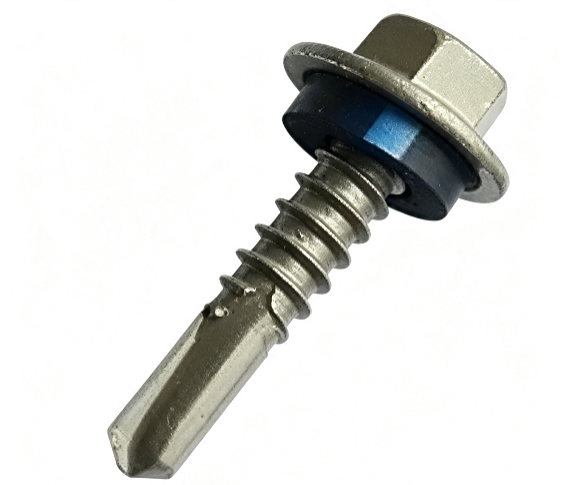
Self-drilling screws with EPDM washers combine speed, sealing ability, and durability against extreme heat and sand. For regions like Saudi Arabia, Chile’s arid zones, or Australia’s outback, they offer reliable fastening that protects investments in roofing and steel structures.If you have any questions about industrial fasteners, feel free to visit our website or get in touch with us.We supply high-quality, customizable fasteners to meet a wide range of project needs.
Related News
Other news you might be interested in

The 2027 Fastener Demand Map: Data Centers, Energy and Industrial Projects
The 2027 fastener outlook is not a broad recovery. It is a map of project pockets—and the strongest pockets are data centers, energy and selected industrial work.The direction is already visible in late-2026 company results. Hilti reported local-currency sales growth of 5.9% in the first eight months of 2026, with double-digit growth in the Americas and Asia Pacific, while describing traditional construction as soft. LISI’s aerospace sales rose 14.3% in the first nine months, but its automotive sales fell 5.2%. Bossard’s third-quarter sales grew 12%, helped by data-center demand in the Americas and semiconductor and electronics expansion in Asia.

What Is a Bi-Metal Screw and Why Does Aluminum Roofing Need One?
a bi-metal screw is one fastener made from two metals with different jobs. In roofing, the common construction is a stainless steel head and body with a hardened carbon steel drill point and lead thread. The stainless section resists corrosion on the exposed roof; the hardened point drills the steel purlin, girt or frame. Aluminum roofing often calls for this combination when an aluminum panel is fixed directly to a steel substructure, because the panel is soft and corrosion-resistant, but the screw still has to drill steel and survive the weather. Bi-metal is not a guarantee: the stainless grade, point capacity, coating, washer and aluminum-to-steel detail still have to be specified.
Want to know more?
Get in touch with us for more information about our services and products.