
Strategic B2B Fastener Sourcing: Reducing Costs and Downtime with Quality Self-Drilling Screws

Han Congming
AuthorWith experience in screw and fastener manufacturing and sales, we operate our own production facility with stable large-scale capacity. We are specialists in self-drilling screws, drywall screws, chipboard screws, machine screws, bolts, and customized fasteners for construction and industrial applications.
Introduction: The High Cost of Low-Quality Fasteners
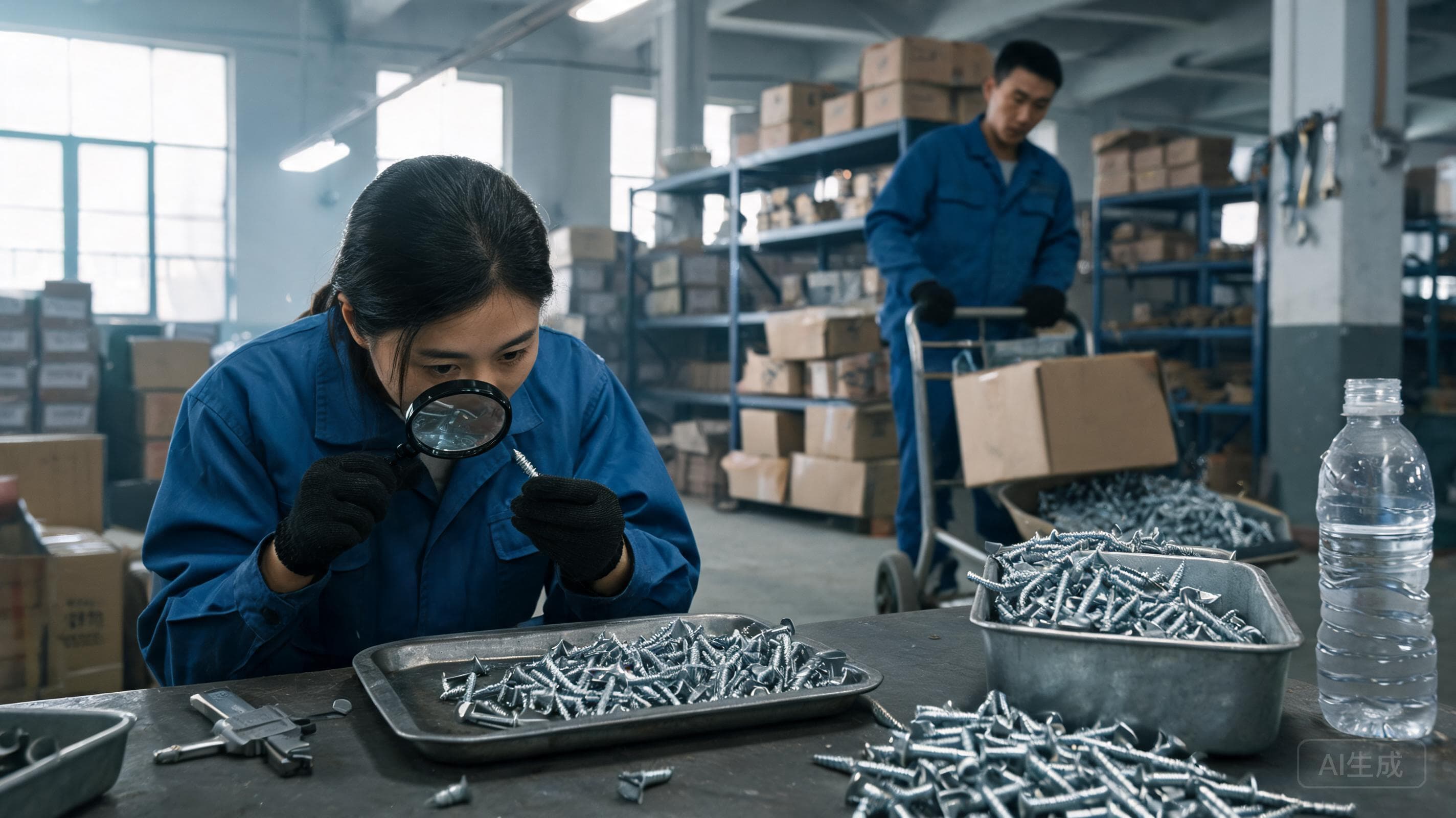
Manufacturing operations suffer an average 42% more downtime when inconsistent fastener quality enters the line. For screw importer businesses and industrial procurement teams, the impact ripples: rework, project delays, and reputational damage compound quickly. Global construction and industrial projects demand fastening solutions that perform reliably under pressure—securing structural steel in humid coastal environments or assembling precision equipment on automated lines. Strategic B2B screw sourcing changes the calculation. By partnering with a capable fastener manufacturer that prioritizes consistency and compliance, screw distributor networks and screw wholesaler operations can eliminate hidden costs and turn procurement into a competitive advantage.
This article explores how selecting the right self-drilling screw and complementary fasteners—backed by rigorous testing, transparent documentation, and logistics flexibility—directly reduces operational risk and strengthens ROI for industrial buyers.
Understanding the 2026 Manufacturing Outlook and Its Impact on Fastener Supply
Deloitte's 2026 Manufacturing Industry Outlook identifies supply chain resilience and digitalization as defining priorities. For fastener procurement, this signals a shift from reactive purchasing to consolidated partnerships that absorb disruption. B2B screw sourcing strategies must now account for automation-driven assembly speeds, sustainability mandates favoring durable materials like stainless steel screw options, and just-in-time delivery models that punish inconsistent lead times. Importers and distributors need a partner who delivers not just product but also supplier delivery execution aligned with project timelines and export documentation that clears customs without friction.
Key Pain Points in Global Fastener Procurement
Three recurring challenges undermine procurement outcomes. First, the cost of poor quality: a single batch of underperforming self-tapping screw products can trigger warranty claims, onsite rework, and schedule overruns that erase project margin. Second, supply chain volatility—from container shortages to fluctuating steel prices—makes cost forecasting unreliable and inventory planning reactive. Third, compliance complexity grows with each new market. Navigating DIN 7504 for self-drilling fasteners, adhering to ISO fastener standard requirements, and maintaining region-specific certifications demands a sourcing partner with mature quality infrastructure, not a transactional supplier.
Essential Product Categories for Industrial Clients
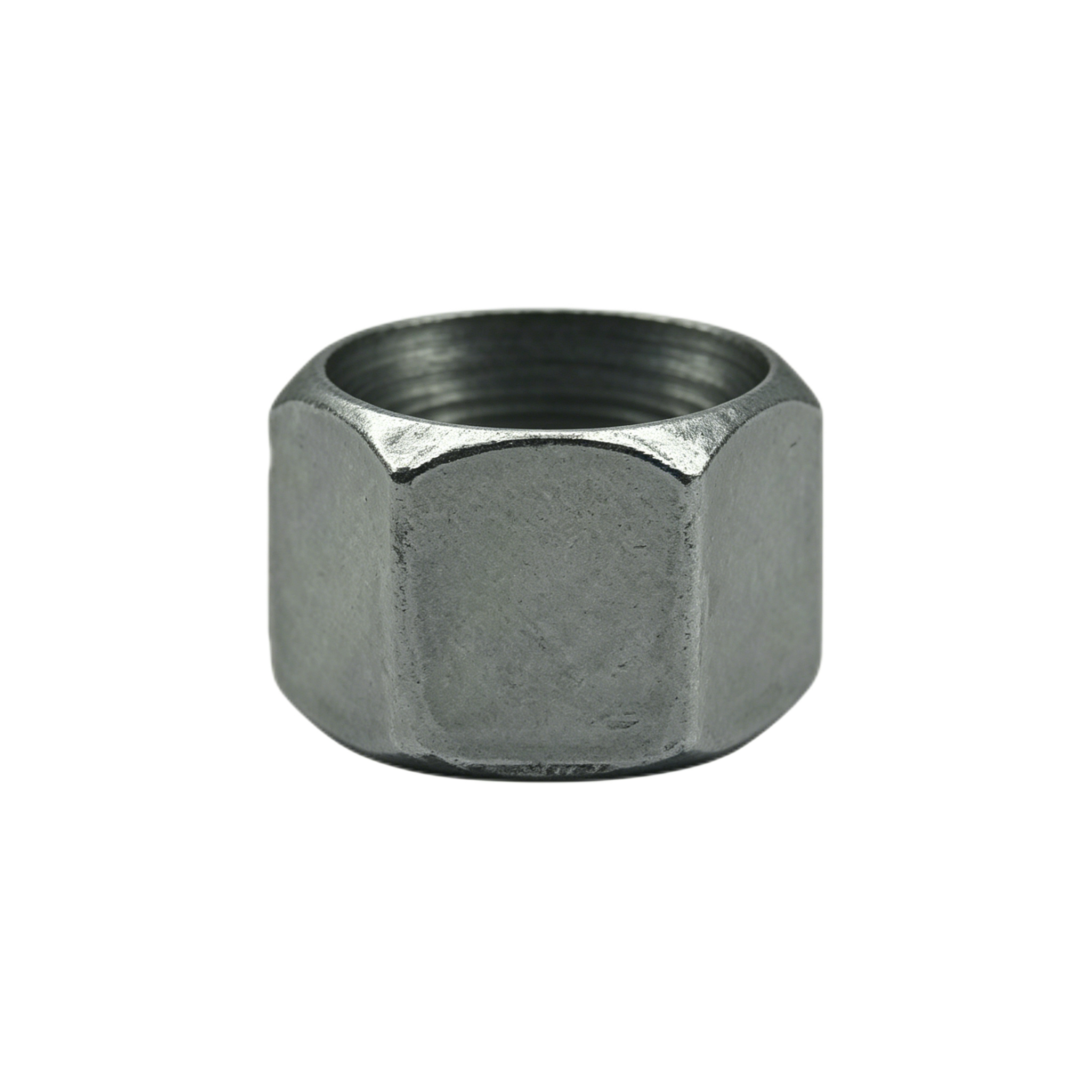
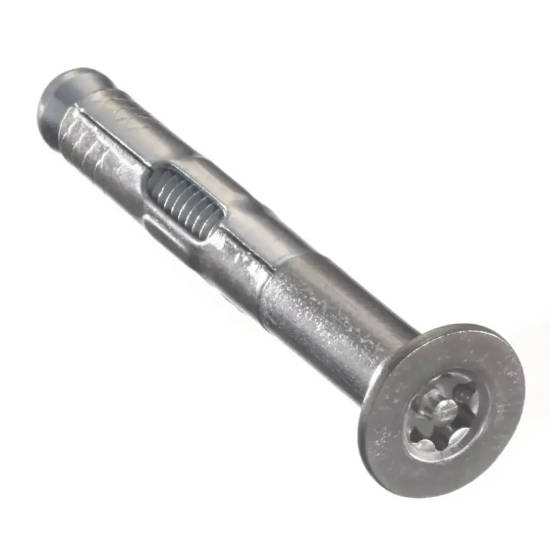
A well-structured fastener program covers the application spectrum. Self-drilling screw products—often specified as tek screw with #2 through #5 drill points—handle metal to metal screw and wood to metal screw connections without pre-drilling, reducing assembly time and labor cost. For corrosive environments, stainless steel screw configurations like the Hexagon Socket Cylindrical Head design provide long-term resistance. Roofing screw specialists, including PVC Hex Cap self-drilling screw and Farmer screw variants, address weather-exposed applications directly. In vibration-prone assemblies—conveyor systems, heavy equipment, steel frameworks—the Never Loosen Nut prevents gradual backing-out that creates safety hazards. Finish selection rounds out the program: HDG screw and Ruspert coated screw options for outdoor durability, with carbon steel screw and zinc plated screw configurations for indoor use. A hex washer head screw provides the bearing surface and drive engagement installers prefer. For specification support, specification matching support helps narrow the field before placing a bulk screw order.
Ensuring Quality: From Cold Heading to Salt Spray Testing
Consistency begins in process control, not post-production inspection. Cold heading and precision thread rolling produce grain structures and dimensional accuracy that machining cannot replicate at scale—higher tensile strength, better fatigue resistance, and repeatable torque characteristics. A China fastener supplier with integrated production and qc capability closes the loop between manufacturing and verification. Testing protocols aligned with ISO fastener standard requirements include salt spray exposure for zinc plated screw and coated components, tensile and hardness verification, and functional drill point screw performance checks confirming a tek screw will drive within spec. OEM screw packaging preserves quality through transit, while mixed container loading—combining multiple SKUs in LCL or FCL shipments—lets screw distributor operations maintain broader inventory without excessive single-line volumes.
Strategic Sourcing: How to Mitigate Risks and Maximize ROI
Risk reduction correlates with supplier selection criteria beyond unit price. A qualified China fastener supplier demonstrates communication transparency, batch-to-batch consistency backed by performance testing reports, and lead times matching operational realities. Logistics strategy is equally vital: mixed container loading consolidates multiple fastener SKUs—self-drilling screw lines, stainless steel screw items, specialty components—into single shipments, reducing per-unit freight cost and simplifying receiving. Documentation separates professional supply chains from transactional ones: request mill certificates for raw material traceability, ISO compliance reports, and complete export documentation to ensure smooth customs clearance.
Real-World ROI: Success Stories from the Field
The impact of strategic B2B screw sourcing is measurable. One industrial client achieved a 42% reduction in assembly-line downtime by switching to a supplier whose self-drilling screw consistency eliminated drill-point failures and head stripping. Another operation saved 30% on logistics by consolidating fragmented purchases through a single fastener manufacturer offering mixed container loading—fewer shipments, lower brokerage fees, and simplified inventory. For a European steel fabricator, adopting the Never Loosen Nut in structural connections removed rework costs entirely, ending the quarterly retightening previously required due to vibration-induced loosening.
Secure Your Fastener Supply Chain Today
Fastener procurement strategy directly affects project outcomes, margins, and risk. Whether specifying DIN 7504-compliant self-drilling screw products, sourcing Ruspert coated screw options for coastal installations, or consolidating a bulk screw order with OEM screw packaging, the difference between a capable partner and a transactional vendor shows on the balance sheet. Request a quote with mixed container options and lead times tailored to your project.
Related News
Other news you might be interested in

The 2027 Fastener Demand Map: Data Centers, Energy and Industrial Projects
The 2027 fastener outlook is not a broad recovery. It is a map of project pockets—and the strongest pockets are data centers, energy and selected industrial work.The direction is already visible in late-2026 company results. Hilti reported local-currency sales growth of 5.9% in the first eight months of 2026, with double-digit growth in the Americas and Asia Pacific, while describing traditional construction as soft. LISI’s aerospace sales rose 14.3% in the first nine months, but its automotive sales fell 5.2%. Bossard’s third-quarter sales grew 12%, helped by data-center demand in the Americas and semiconductor and electronics expansion in Asia.

What Is a Bi-Metal Screw and Why Does Aluminum Roofing Need One?
a bi-metal screw is one fastener made from two metals with different jobs. In roofing, the common construction is a stainless steel head and body with a hardened carbon steel drill point and lead thread. The stainless section resists corrosion on the exposed roof; the hardened point drills the steel purlin, girt or frame. Aluminum roofing often calls for this combination when an aluminum panel is fixed directly to a steel substructure, because the panel is soft and corrosion-resistant, but the screw still has to drill steel and survive the weather. Bi-metal is not a guarantee: the stainless grade, point capacity, coating, washer and aluminum-to-steel detail still have to be specified.
Want to know more?
Get in touch with us for more information about our services and products.