

The B2B Buyer's Guide to Self-Drilling Screw Sourcing: Quality, Compliance, and Cost Optimization

Han Congming
AuthorWith experience in screw and fastener manufacturing and sales, we operate our own production facility with stable large-scale capacity. We are specialists in self-drilling screws, drywall screws, chipboard screws, machine screws, bolts, and customized fasteners for construction and industrial applications.
Introduction: The Hidden Costs of Fastener Procurement
Every screw distributor and screw wholesaler knows the feeling: a shipment arrives late, the coating doesn't match the spec, and your customer is on the phone demanding answers. Supply chain disruptions, inconsistent batch quality, and mounting hidden costs quietly erode margins that procurement teams work relentlessly to protect. Back in 2014, many in the industry breathed a collective sigh of relief as year-end volumes stabilized—but today's landscape is fundamentally different. Geopolitical shifts, fluctuating raw material prices, and tightening regulatory frameworks mean that reactive purchasing is no longer viable. For professionals engaged in B2B screw sourcing, the margin of error has narrowed considerably, and the difference between a profitable quarter and a logistical nightmare often comes down to sourcing strategy, not just unit pricing.
This guide is built for buyers who need to move beyond transactional purchasing. Whether you're a screw importer evaluating offshore capacity or a construction procurement lead standardizing specifications across regional projects, the goal remains the same: securing consistent quality while optimizing total landed cost. We'll walk through the compliance requirements reshaping global trade, the product specifications that determine field performance, and the procurement tactics that turn a bulk screw order into a competitive advantage.
Industry Trends Driving Change in Fastener Sourcing
The fastener market is not just growing—it's structurally transforming. Industry analysts project the global screws and fasteners market will reach $161.8 billion by 2034, propelled by sustained construction activity and accelerating automotive manufacturing. Within that, the industrial fasteners segment alone is expected to expand to $88.39 billion by 2031. These numbers reflect more than rising demand; they signal that supply chains must become more resilient to capture value at scale.
Compliance has become the decisive filter. Current data indicates that 65% of global screw importer shipments now require ISO fastener standard certification as a condition of entry. Customs authorities in Europe, North America, and the Middle East are increasingly scrutinizing export documentation—and rejections at port translate directly into project delays and penalty clauses. For buyers sourcing from a China fastener supplier, the ability to produce complete documentation packages has shifted from a differentiator to a baseline expectation.
Ensuring Compliance: ISO Standards and Export Documentation
Compliance begins long before the container leaves the factory. For self-drilling screw products, DIN 7504 governs dimensional and mechanical properties critical to field performance. A shipment that lacks verifiable compliance with this standard risks customs holds, rework costs, and—in regulated sectors—outright rejection. Working with a fastener manufacturer that maintains integrated production and qc protocols ensures that every batch is traceable to its heat treatment records and raw material certificates.
Essential export documentation includes the Certificate of Origin, third-party inspection reports, and material certifications confirming the grade of carbon steel screw or stainless steel screw used in production. Buyers who request performance testing reports before shipment can validate coating adhesion, hardness, and torsional strength—eliminating the need for costly inbound quality checks at the destination warehouse. When these documents are organized and submitted proactively, lead times compress and the risk of port-side disputes drops substantially.
Choosing the Right Self-Drilling Screw for Your Application
Specifying the correct fastener is where procurement intersects with engineering. A tek screw designed for light-gauge steel will not perform the same way in thick structural members, and using a generic drill point screw where a substrate-matched product is required leads to installation failures. For metal to metal screw applications, the drill point geometry and flute design must evacuate swarf efficiently during piercing. For wood to metal screw assemblies, the thread pitch and tip configuration determine pull-out resistance. Meanwhile, a self-tapping screw may be suitable for pre-drilled substrates but lacks the drill point needed to penetrate steel without a pilot hole.
Coating selection directly impacts service life. A zinc plated screw delivers adequate corrosion resistance for indoor and sheltered applications, but exterior exposure demands more robust protection. An HDG screw (hot-dip galvanized) provides a thicker zinc layer suited to structural connections in semi-exposed environments. For aggressive conditions—coastal installations, chemical processing facilities, or tropical roofing—a Ruspert coated screw combines a metallic zinc layer with a baked-on ceramic topcoat, delivering superior salt spray test performance. Our team recently published a detailed self drilling screw focus article that breaks down coating performance across accelerated weathering protocols.
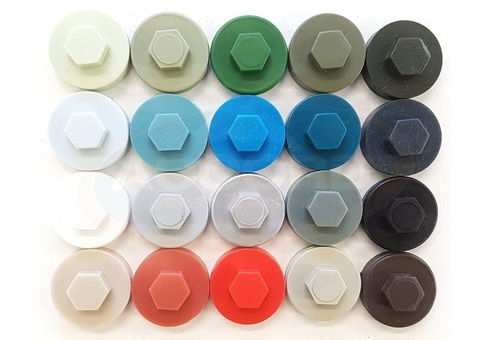
For roofing contractors, the product choice carries outsized consequences. The Ruspert Hex Washer Head Self Drilling Screw is engineered specifically for roofing screw applications where long-term weather exposure is a given. Its hex washer head screw design distributes clamping force evenly across the sealing washer, preventing water ingress at the penetration point. For high-volume metal building projects, the Flat Head Self Drilling Screw 4.2mm 35mm offers dimensional consistency across repeated bulk screw order quantities—a critical factor when installation teams are driving thousands of fasteners per shift. If you need specification matching support, our technical team can help correlate your substrate stack-up and environmental conditions to the optimal product configuration.
Optimizing Procurement: From MOQ to Mixed Container Loading
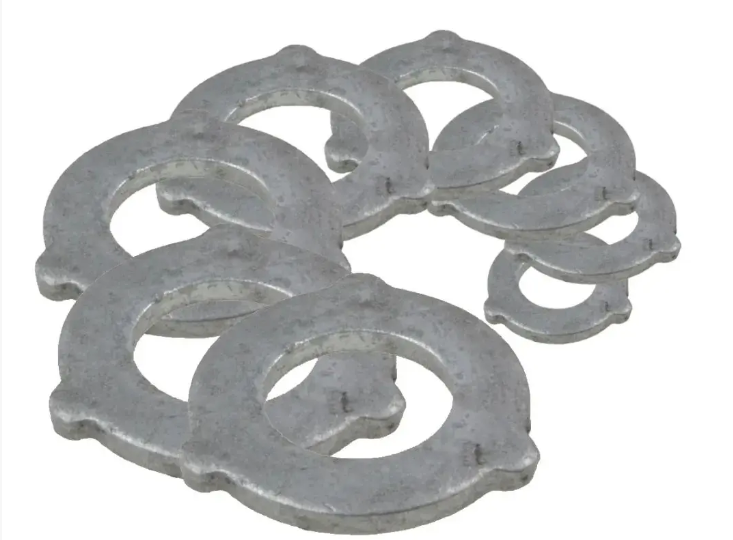
Procurement efficiency in the fastener category is rarely about the unit price on a single line item. MOQ requirements from a fastener manufacturer can strain cash flow when a buyer only needs partial quantities across multiple SKUs. The solution increasingly adopted by large screw distributor networks is mixed container loading (LCL consolidation), which allows buyers to combine multiple product types—hex washer head screw assortments, structural washers, and complementary fasteners—within a single shipment. This approach reduces per-unit freight cost while maintaining inventory breadth.
Negotiation leverage improves when buyers commit to a rolling forecast rather than one-off bulk screw order transactions. A China fastener supplier that understands your quarterly demand pattern can reserve production capacity and optimize raw material procurement, yielding cost stability that spot buying cannot replicate. Additionally, OEM screw packaging options allow distributors and regional brands to receive product in their own branded boxes with custom labeling, barcoding, and pallet configurations—turning a commodity component into a branded inventory item without adding secondary processing steps at the destination warehouse. Reliable supplier delivery execution is what ultimately converts a well-negotiated agreement into on-shelf availability.
Success Stories: Real-World ROI from Strategic Sourcing
A European screw distributor carrying over 1,200 active SKUs faced recurring stockouts on high-velocity items while slow-movers accumulated carrying costs. After consolidating their self-drilling screw category with an ISO-certified fastener manufacturer and implementing rolling forecast-based ordering, the company reduced supply chain risk exposure by 65% within the first 12 months. The improvement came from eliminating multiple fragmented supplier relationships and gaining end-to-end visibility into production scheduling.
On the project side, a construction firm specializing in pre-engineered steel buildings standardized on a patented Drill Twist-Shear Bolt assembly for moment-resisting connections. The installation cycle time dropped by 30% compared to conventional bolting methods, and torque consistency improved measurably across the crew. In a separate coastal development where salt spray had degraded conventional fasteners within three years, the specification team switched to an HDG screw paired with an HDG Structural Washer—and after five years of exposure, no corrosion-related fastener replacements have been required. As the project engineer noted, eliminating callbacks on fastener corrosion translated to a six-figure reduction in warranty reserve allocations.
Conclusion: Building a Resilient Fastener Supply Chain
The fastener category rewards buyers who treat sourcing as a strategic discipline. Compliance with ISO fastener standard requirements is non-negotiable in today's regulatory environment. Product specification—from tek screw geometry to Ruspert coated screw finishes—determines whether the installed fastener performs for the design life of the structure. And procurement tactics like mixed container loading and forecast-based ordering turn logistics from a cost center into a competitive lever. Whether your volume moves through a screw wholesaler or directly from a China fastener supplier, the principles remain consistent: qualify thoroughly, document rigorously, and partner with manufacturers who treat consistency as an engineering discipline rather than an aspiration.
If your current sourcing strategy relies on reactive spot purchases or suppliers who cannot provide complete material traceability, now is the time to reassess. Contact our team to discuss your B2B screw sourcing needs and receive a customized quote with lead time and mixed container options.
Related News
Other news you might be interested in
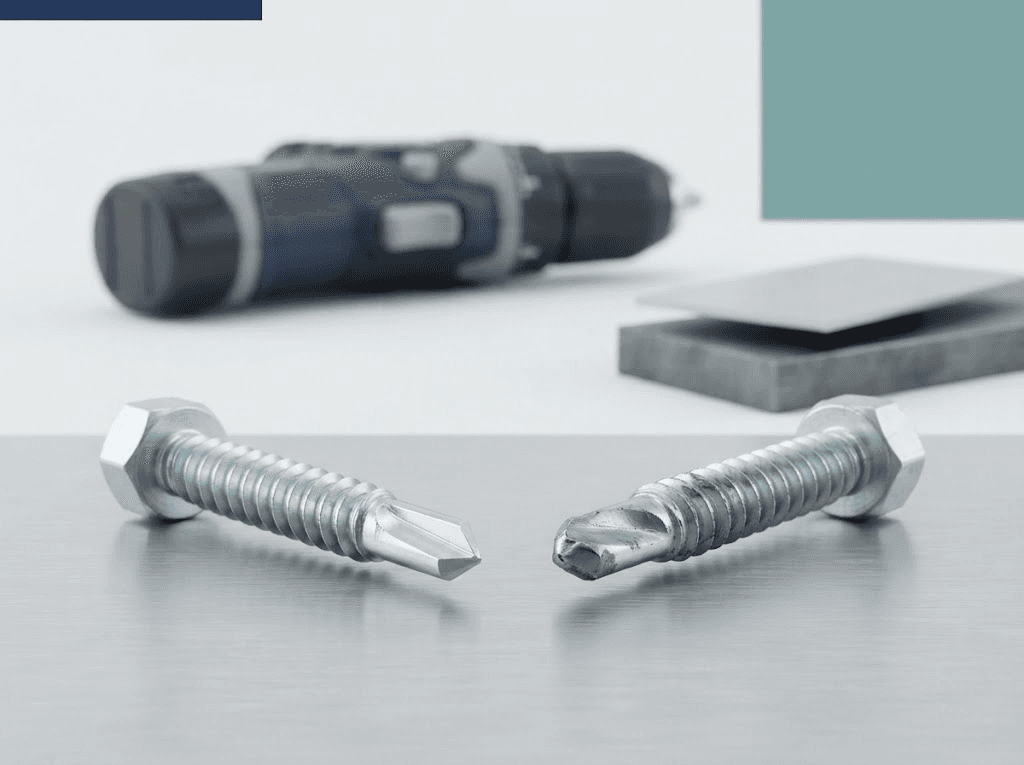
Why Self-Drilling Screws Fail to Drill: A Substrate and Installation Checklist
When a self-drilling screw spins against steel without making progress, the purchasing decision becomes urgent: should the installer change the tool settings, should the buyer order a different screw, or should the supplier investigate the batch?A useful diagnosis starts by identifying exactly where drilling stops. Record the material at that point, check the selected screw against the assembly, and then compare installation conditions. This approach gives buyers a clearer basis for deciding what to change and what evidence to request.
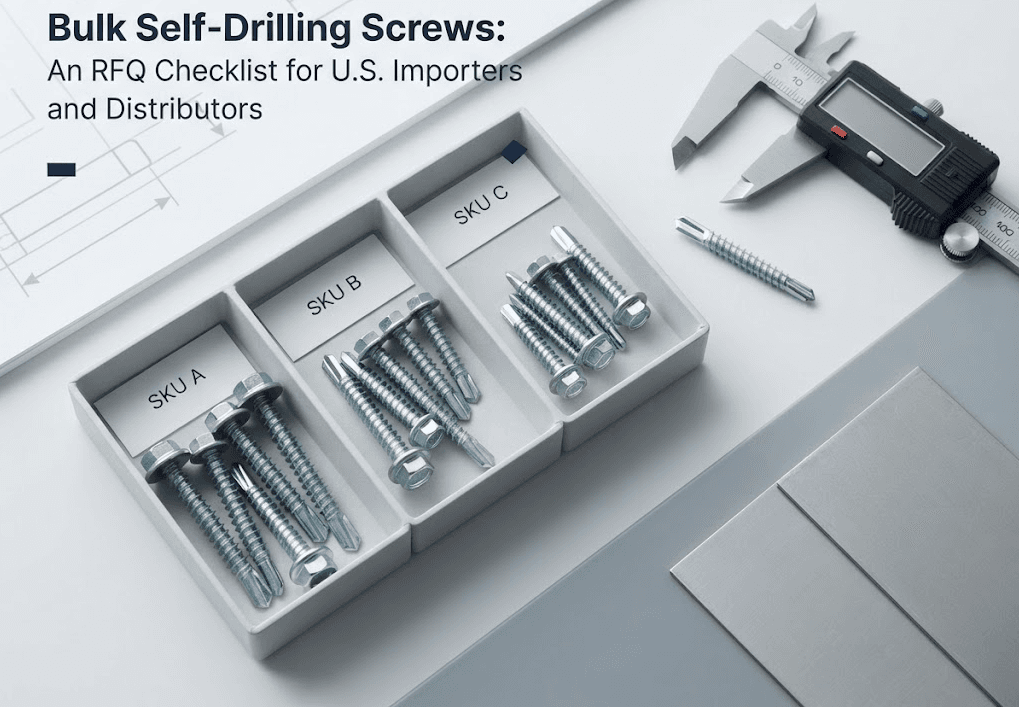
Bulk Self-Drilling Screws: An RFQ Checklist for U.S. Importers and Distributors
When sourcing bulk self-drilling screws, a unit price is only useful if you know exactly what it covers. Two quotations may appear to describe the same product while differing in dimensions, coating, packaging, or delivery conditions. For U.S. importers and distributors managing several SKUs, those differences can make supplier comparisons difficult. A clear request for quotation—an RFQ—helps suppliers understand your requirements and gives your purchasing team a consistent basis for reviewing their offers. This checklist explains what to include, which details need confirmation, and how to turn an initial inquiry into a specification that both buyer and supplier can review.
Want to know more?
Get in touch with us for more information about our services and products.