
Elevate Your B2B Fastener Sourcing: Quality, Compliance, and ROI in Self-Drilling Screw Supply

Han Congming
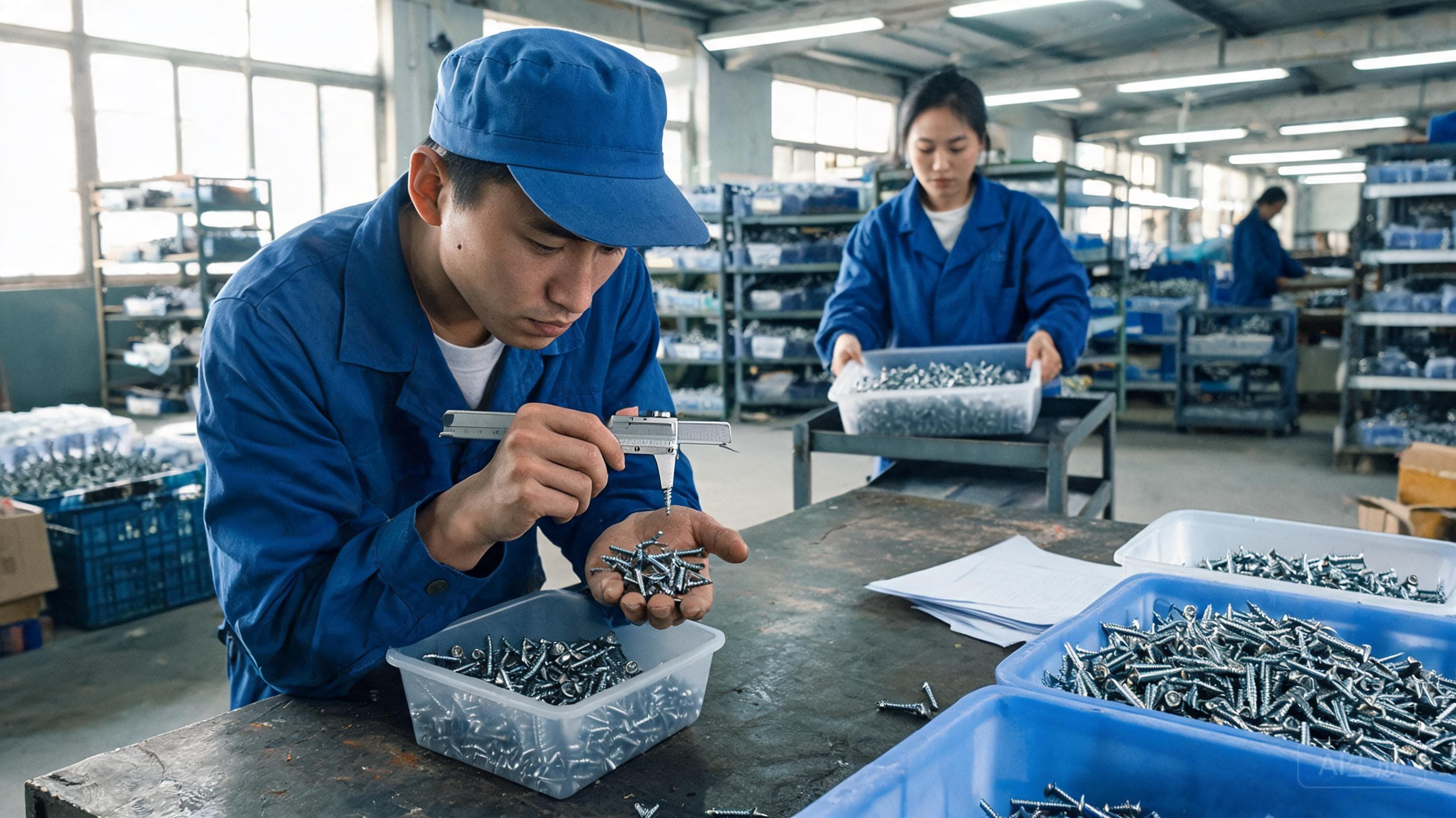
AuthorWith experience in screw and fastener manufacturing and sales, we operate our own production facility with stable large-scale capacity. We are specialists in self-drilling screws, drywall screws, chipboard screws, machine screws, bolts, and customized fasteners for construction and industrial applications.
Introduction: The Strategic Importance of Reliable Fastener Sourcing
Every procurement manager and screw importer knows the recurring headaches: inconsistent quality from batch to batch, supply chain disruptions that derail project timelines, compliance gaps that create import risks, and hidden costs that erode margins. These are not minor inconveniences—they directly threaten your operational reliability and profitability. The global screws and fasteners market is projected to reach $161.8 billion by 2034, with the industrial fasteners segment alone hitting $88.39 billion by 2031. This growth intensifies competition among screw wholesaler networks and raises the stakes for B2B screw sourcing decisions. When your projects depend on self-drilling screw performance—whether for steel frame construction, metal roofing, or heavy equipment assembly—the sourcing choices you make today dictate your project timelines, on-site safety records, and bottom-line outcomes tomorrow.
Understanding Self-Drilling Screws: Types, Applications, and Standards
A self-drilling screw combines a self-tapping screw thread with an integrated drill point screw tip, eliminating the need for pre-drilled pilot holes. This design accelerates installation, reduces labor costs, and delivers reliable fastening across demanding applications. The drill point is graded from #1 through #5, with each grade corresponding to the maximum steel thickness it can penetrate—critical data when specifying a metal to metal screw or wood to metal screw for mixed-material assemblies. Head configurations vary by application: the hex washer head screw provides superior torque transfer for structural connections, while flat head designs enable flush finishes in sheet metal work. Our team provides specification matching support to help you select the correct drill point grade, head type, and thread geometry for your exact substrate conditions.
Internationally recognized DIN 7504 and ISO fastener standard specifications define dimensional tolerances and mechanical properties for these fasteners. Sourcing from a fastener manufacturer that adheres to these standards reduces the risk of thread failure, head stripping, or drill point burn-out during installation. Coating selection is equally important: zinc plated screw options suit interior applications with moderate corrosion exposure, while HDG screw (hot-dip galvanized) and Ruspert coated screw finishes deliver extended salt spray resistance for exterior and coastal environments. Each coating must be verified against documented performance testing reports to ensure it meets your project's lifecycle requirements.
Navigating Compliance and Export Documentation
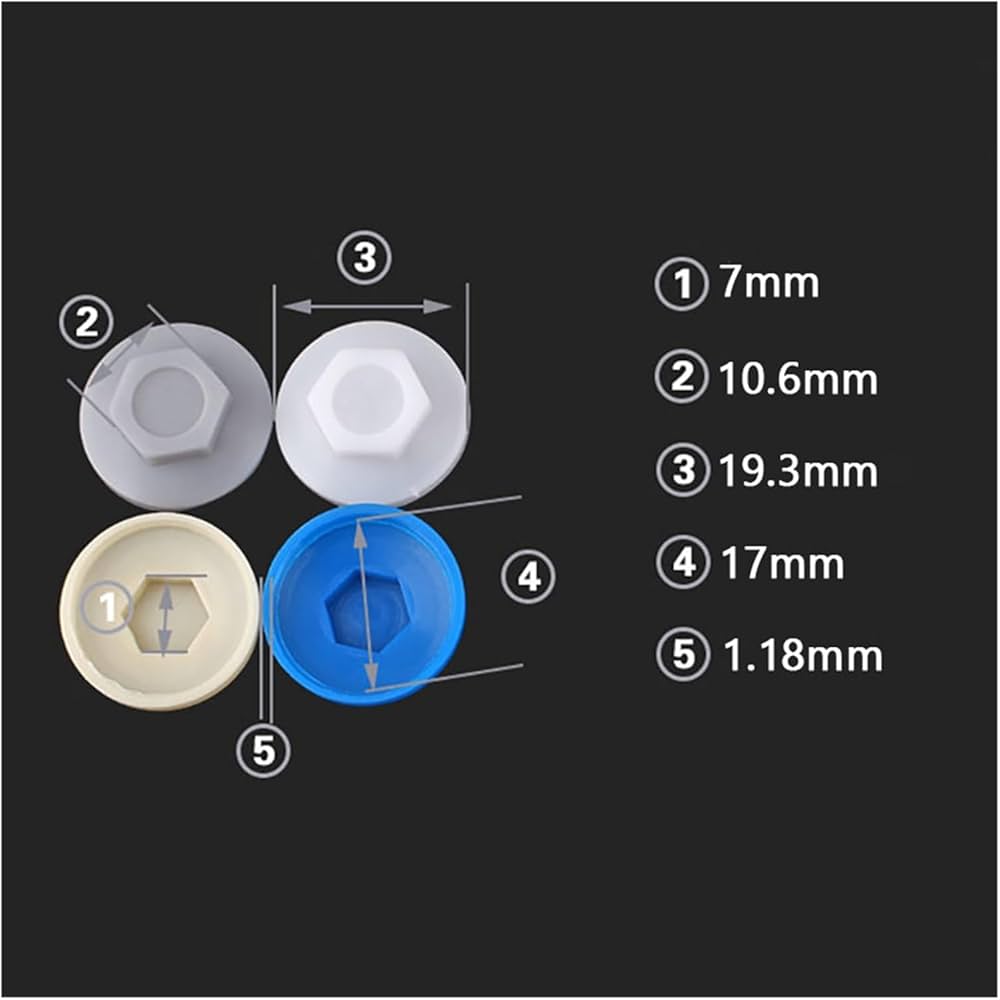
B2B fastener sourcing carries significant import compliance obligations. Missing or incomplete export documentation can trigger customs delays, penalty fees, or outright shipment rejection. For every bulk screw order, you should expect: certificates of origin verifying manufacturing provenance, material test reports confirming chemical and mechanical properties, salt spray test results validating coating performance, and ISO compliance certificates demonstrating factory-level quality management. Without these documents, even a technically sound tek screw or carbon steel screw becomes a liability at the border. The challenges confronting brass manufacturers—tightening quality control processes and aligning with international specifications—mirror those faced across the fastener industry. This is why working with a proven China fastener supplier that prioritizes integrated production and QC becomes a competitive advantage. A supplier with rigorous in-house testing and systematic documentation practices transforms compliance from a bottleneck into a seamless part of your procurement cycle, protecting your import clearance and your reputation with downstream clients.
Cost-Effective Sourcing Strategies: Bulk Orders, Mixed Containers, and MOQ Optimization
Volume purchasing drives down per-unit costs, but the real logistics advantage comes from mixed container loading. Rather than ordering a full container of a single SKU, combining stainless steel screw lines with carbon steel screw variants, roofing screw assortments, and related fasteners into one FCL or LCL shipment spreads freight costs across your entire product mix. This approach allows you to maintain leaner inventory while securing volume pricing on each line. MOQ negotiation becomes more flexible when you consolidate demand across SKUs with a single fastener manufacturer. Lead time management also improves: long-term partnerships with a responsive screw distributor often translate into priority production scheduling and supplier delivery execution that aligns with your seasonal demand peaks. For OEM buyers, customized OEM screw packaging—branded boxes, barcoded labels, and retail-ready formats—can be integrated directly into the production and loading workflow, reducing secondary handling costs.
Product Spotlight: Our Core Self-Drilling Screw Offerings
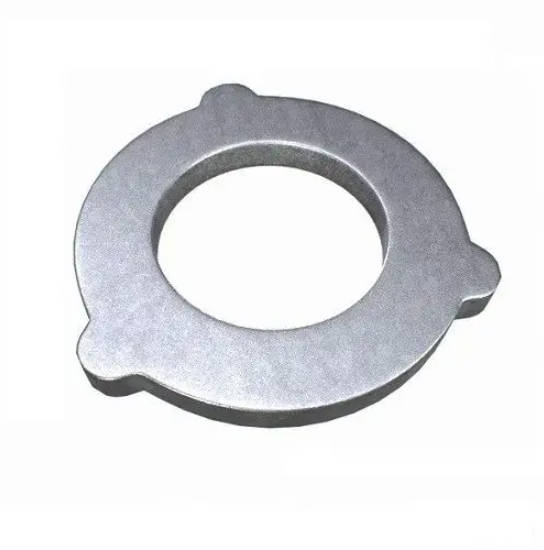
Each product line in our self-drilling screw portfolio is engineered to meet specific B2B application demands, with consistency across batches and full traceability on export documentation. Our structural washer product delivers stable torque and consistent installation for steel-to-steel connections in commercial framing and infrastructure projects. For concrete fastening, our stainless steel countersunk sleeve anchors provide dependable batch consistency and flexible supply coordination. Our farmer screws for metal roofing feature an optimized drill point and hex head configuration for rapid, secure metal to metal screw and wood to metal screw fastening—ideal for agricultural, industrial, and residential roofing applications. The PVC hex cap accessory adds weather protection and a clean aesthetic finish, particularly valuable when paired with roofing screw installations where long-term exposure demands superior corrosion resistance. For general metal fastening, our hexagon head self-drilling screw is available in both zinc plated screw and Ruspert coated screw options, with the hex washer head design ensuring reliable torque transfer. The flat head self-drilling screw—4.2mm diameter, 35mm length—features a countersunk profile for flush assembly in metal sheet fabrication. Explore our self drilling screw focus for deeper technical data on these products.
Proven ROI: How Strategic Sourcing Transforms Your Bottom Line
Market data consistently demonstrates that specifying quality fasteners—verified to DIN 7504 and ISO fastener standard requirements—reduces rework rates, warranty claims, and costly on-site downtime. Coatings like Ruspert coated screw and HDG screw finishes extend service life in corrosive environments, directly increasing end-customer satisfaction and repeat order volumes for every screw wholesaler and screw distributor in the supply chain. One distributor we work with reduced supply disruption risk by 30% and achieved a 15% reduction in total landed cost after shifting to a compliant China fastener supplier and adopting mixed container loading across its self-tapping screw and tek screw inventory. The savings came not from lower unit pricing but from freight consolidation, reduced customs delays, and fewer quality-related rejects—real operational gains that compound over successive bulk screw order cycles.
Conclusion: Partner with a Trusted Fastener Manufacturer for Long-Term Growth
Sustainable advantage in B2B screw sourcing comes from three disciplined practices: prioritizing compliance documentation to eliminate import friction, leveraging mixed container loading and volume strategies to optimize logistics costs, and selecting proven self-drilling screw products engineered to perform across your target applications—from metal to metal screw connections to wood to metal screw roofing assemblies. Whether you need zinc plated screw fasteners for interior metalwork, Ruspert coated screw or HDG screw options for exterior exposure, or stainless steel screw lines for corrosive environments, a technically competent fastener manufacturer with global export expertise will strengthen your supply chain and your market position. Contact our team to discuss samples, pricing, or technical consultation for your next requirement.
Related News
Other news you might be interested in
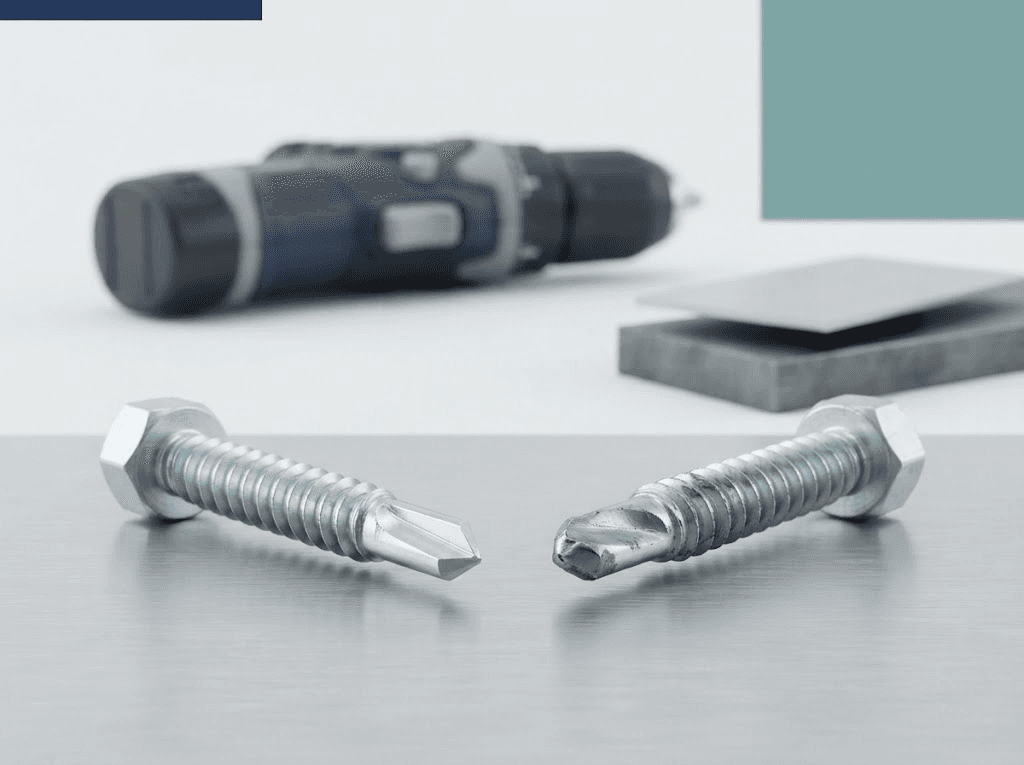
Why Self-Drilling Screws Fail to Drill: A Substrate and Installation Checklist
When a self-drilling screw spins against steel without making progress, the purchasing decision becomes urgent: should the installer change the tool settings, should the buyer order a different screw, or should the supplier investigate the batch?A useful diagnosis starts by identifying exactly where drilling stops. Record the material at that point, check the selected screw against the assembly, and then compare installation conditions. This approach gives buyers a clearer basis for deciding what to change and what evidence to request.
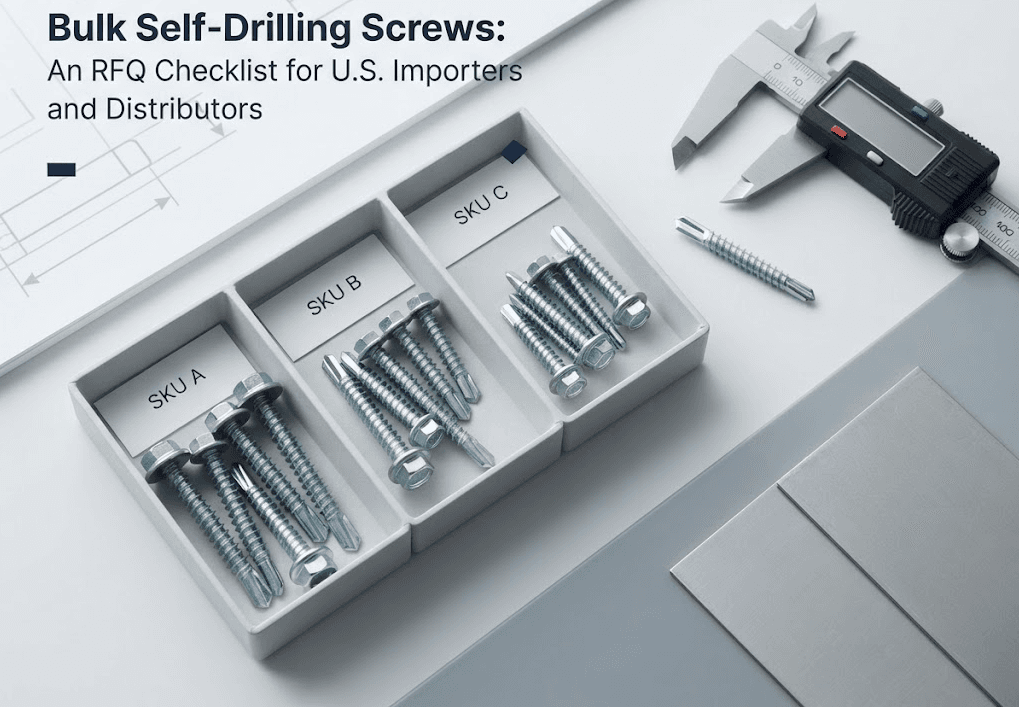
Bulk Self-Drilling Screws: An RFQ Checklist for U.S. Importers and Distributors
When sourcing bulk self-drilling screws, a unit price is only useful if you know exactly what it covers. Two quotations may appear to describe the same product while differing in dimensions, coating, packaging, or delivery conditions. For U.S. importers and distributors managing several SKUs, those differences can make supplier comparisons difficult. A clear request for quotation—an RFQ—helps suppliers understand your requirements and gives your purchasing team a consistent basis for reviewing their offers. This checklist explains what to include, which details need confirmation, and how to turn an initial inquiry into a specification that both buyer and supplier can review.
Want to know more?
Get in touch with us for more information about our services and products.