
How Industrial Buyers Can Choose the Right Fasteners for Harsh Working Environments

Han Congming
AuthorWith experience in screw and fastener manufacturing and sales, we operate our own production facility with stable large-scale capacity. We are specialists in self-drilling screws, drywall screws, chipboard screws, machine screws, bolts, and customized fasteners for construction and industrial applications.
Summary
As industrial projects move into more demanding environments, fastener selection is becoming a critical part of procurement decision-making. Buyers are no longer comparing fasteners only by size, material, and unit price. In harsh working environments, factors such as corrosion resistance, vibration stability, load performance, installation efficiency, and long-term maintenance cost can directly affect project reliability. For industrial buyers, choosing the right fastener means understanding the real working conditions before confirming specifications and supplier selection.
Harsh Environments Are Changing Fastener Procurement Standards
Industrial fasteners are widely used in steel structures, machinery, equipment assembly, construction projects, transportation systems, agricultural facilities, and outdoor engineering. In normal indoor applications, standard screws, bolts, and nuts may be enough to meet basic fastening requirements. However, once the working environment becomes more complex, the risk of fastening failure increases significantly.
Moisture, salt spray, dust, oil, vibration, high temperature, repeated load changes, and outdoor exposure can all affect fastener performance. A screw that works well in a dry indoor workshop may rust quickly in a coastal project. A standard nut used on vibrating equipment may loosen after long-term operation. A low-cost fastener may reduce initial purchasing expenses, but later lead to maintenance delays, replacement costs, or safety risks.
This is why more industrial buyers are shifting from price-based sourcing to performance-based fastener selection.
The First Step Is to Define the Working Environment
Before selecting fasteners, buyers should first define the environment where the product will be used. This step is often more important than choosing the size itself.
For outdoor steel structures, roofing systems, and metal enclosure projects, buyers should focus on corrosion resistance and installation stability. Fasteners may be exposed to rain, UV radiation, temperature changes, and humidity for many years. In these conditions, surface treatment and sealing performance become essential.
For machinery and industrial equipment, the main challenge is usually vibration and dynamic load. Equipment such as production lines, construction machinery, machine tools, conveyors, motors, and transportation systems may operate continuously for long periods. If the fastening system cannot resist loosening, the whole equipment may face higher maintenance pressure.
For factories, warehouses, agricultural buildings, and coastal facilities, buyers may need to consider both corrosion and mechanical stability. In these projects, selecting the right fastener is not a single technical decision, but part of long-term project risk control.
Corrosion Resistance Should Match the Actual Exposure Level
Corrosion is one of the most common reasons for fastener failure in harsh environments. When fasteners are exposed to moisture, chemicals, salt air, or outdoor weather, ordinary surface treatment may not provide enough protection.
Industrial buyers should classify the project environment before placing an order. For indoor use, basic zinc plating may be acceptable. For semi-outdoor or general outdoor use, stronger surface treatment may be required. For coastal areas, high-humidity workshops, or long-term outdoor exposure, buyers should consider upgraded anti-corrosion solutions according to the actual service conditions.
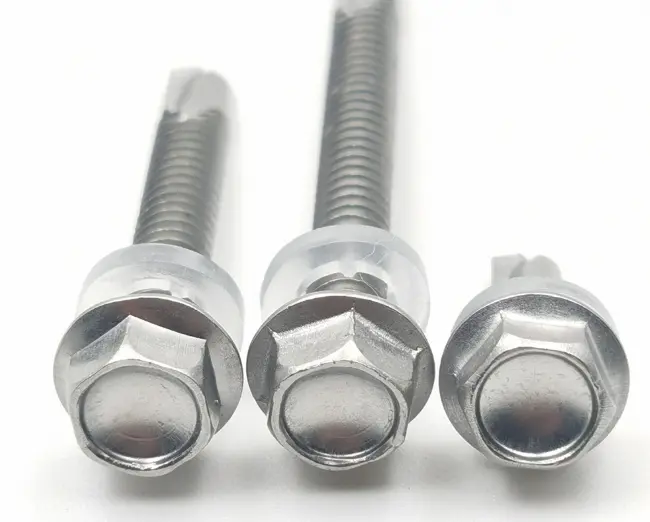
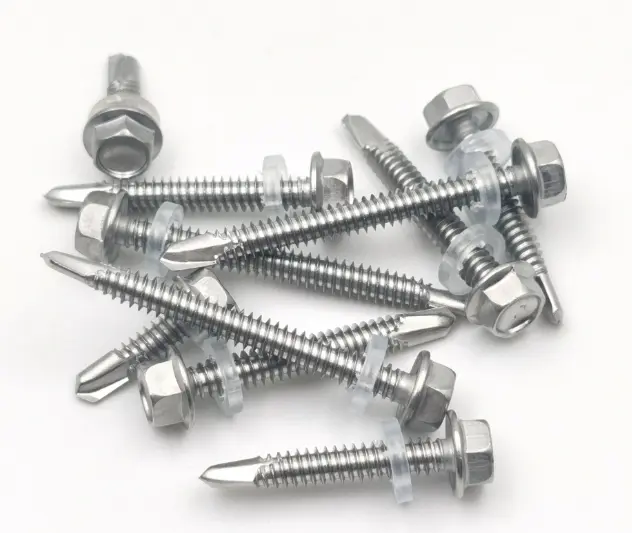
For metal structure and roofing-related applications, self-drilling screws are often selected because they can improve installation efficiency. For example, ScrewTrade’s Hexagon Head Self Drilling Screws Product is designed for fast installation in thin steel plates, color steel plates, metal studs, aluminum profiles, roof enclosures, equipment housings, ventilation ducts, and light-duty metal frames. Its self-drilling structure helps reduce pre-drilling work, while the hexagon head supports efficient installation with sockets, electric tools, or pneumatic tools.
For buyers handling large steel structure or enclosure projects, this type of screw is valuable because it combines installation speed with practical field compatibility. However, buyers should still confirm the coating, drill point, screw length, and base material thickness before mass procurement.
Hexagon Head Self Drilling Screws
Vibration Resistance Is Critical for Machinery and Equipment
In harsh working environments, fastener problems are not always visible at the beginning. Many failures happen gradually. A nut may loosen after repeated vibration. A connection point may lose clamping force after continuous movement. A machine may require more frequent inspection because standard fasteners cannot maintain stable locking performance.
This is especially important in machinery, transportation, industrial equipment, and structural bolted connections. In these applications, anti-loosening performance becomes a key purchasing factor.
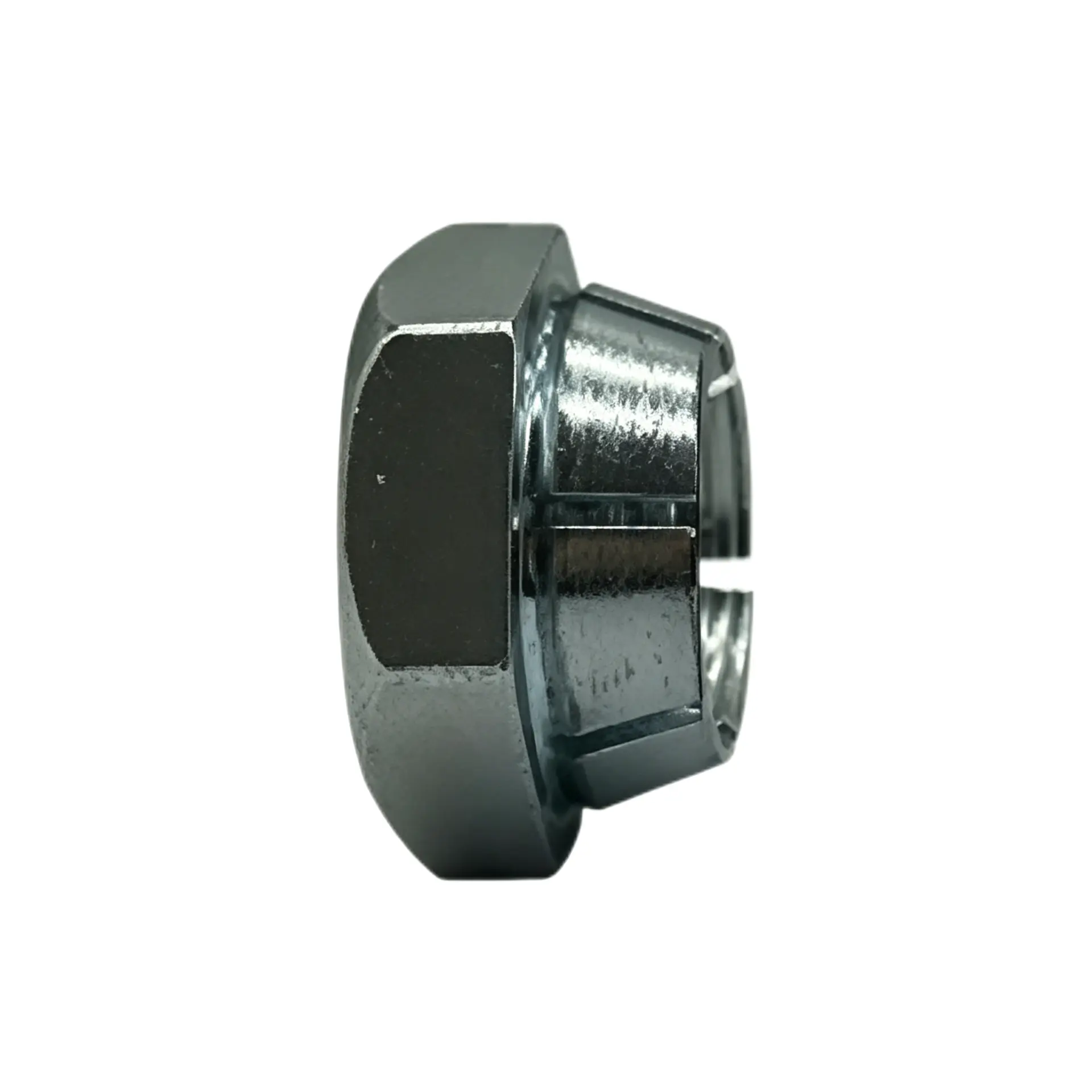
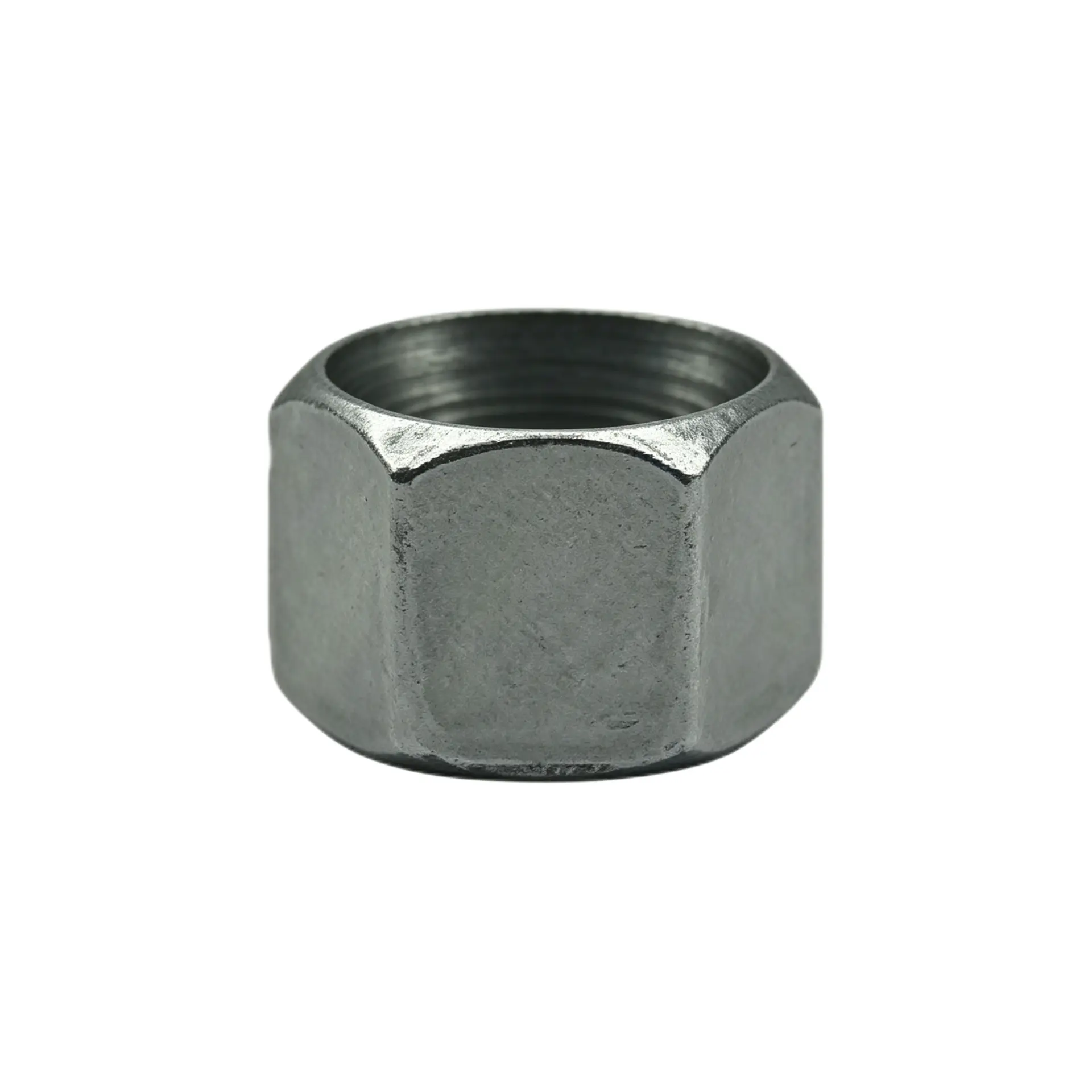
ScrewTrade’s Never Loosen Nut is suitable for vibration-prone and safety-sensitive applications. It is designed to reduce loosening risk in mechanical, structural, and industrial equipment environments. For buyers sourcing fasteners for construction machinery, machine tools, production lines, automotive-related systems, or heavy-duty equipment, anti-loosening nuts can help improve fastening reliability and reduce long-term maintenance pressure.
This kind of product is not only a replacement for standard nuts. It represents a different procurement logic: when equipment safety and operating stability are important, buyers should evaluate locking performance, not just thread size and price.
Installation Efficiency Also Affects Total Procurement Cost
In industrial purchasing, unit price is easy to compare, but installation cost is often underestimated. A lower-cost fastener may require pre-drilling, additional tools, extra labor, or more rework. In large-scale projects, these hidden costs can be higher than the price difference between fastener types.
For example, self-drilling screws can reduce installation steps in metal-to-metal applications. This matters in roofing, light steel structures, ventilation systems, equipment housings, and assembly lines where thousands of fastening points may be required. Faster installation can shorten project schedules and improve consistency across repeated operations.
At the same time, anti-loosening fasteners can reduce future inspection and maintenance frequency. For machinery and equipment buyers, this can support better uptime and lower after-sales service costs.
Therefore, industrial buyers should calculate fastener cost from the full project cycle, including purchase price, installation time, maintenance frequency, replacement risk, and potential downtime.
Buyers Should Build a Clear RFQ Before Supplier Selection
A strong fastener RFQ should include more than product name, diameter, and length. To reduce sourcing risk, buyers should provide suppliers with complete application information.
Key details should include:
- Base material and thickness
- Indoor, outdoor, humid, coastal, or high-temperature conditions
- Static load, vibration, or dynamic load requirements
- Surface treatment expectations
- Head type and drive type
- Installation tools and assembly method
- Packaging and labeling requirements
- Expected order quantity and delivery schedule
- Sampling and testing requirements
With this information, suppliers can recommend more suitable products and avoid mismatched specifications. It also helps buyers compare quotations more accurately, because they are evaluating products based on the same application requirements.
Fastener Selection Is Becoming a Strategic Procurement Decision
In harsh working environments, fasteners are not just small accessories. They are functional components that influence structural safety, equipment stability, construction speed, and long-term maintenance cost.
For steel structures and metal enclosure projects, buyers should focus on corrosion resistance, drilling performance, and installation efficiency. For machinery and industrial equipment, vibration resistance and locking reliability should receive more attention. For mixed industrial projects, buyers may need to combine different fastening solutions according to each application area.
The most effective procurement strategy is to match fasteners with real working conditions. By evaluating environment, load, vibration, surface treatment, and installation method before ordering, industrial buyers can reduce project risk and improve long-term fastening performance.
Related News
Other news you might be interested in
Why Self-Drilling Screws Fail to Drill: A Substrate and Installation Checklist
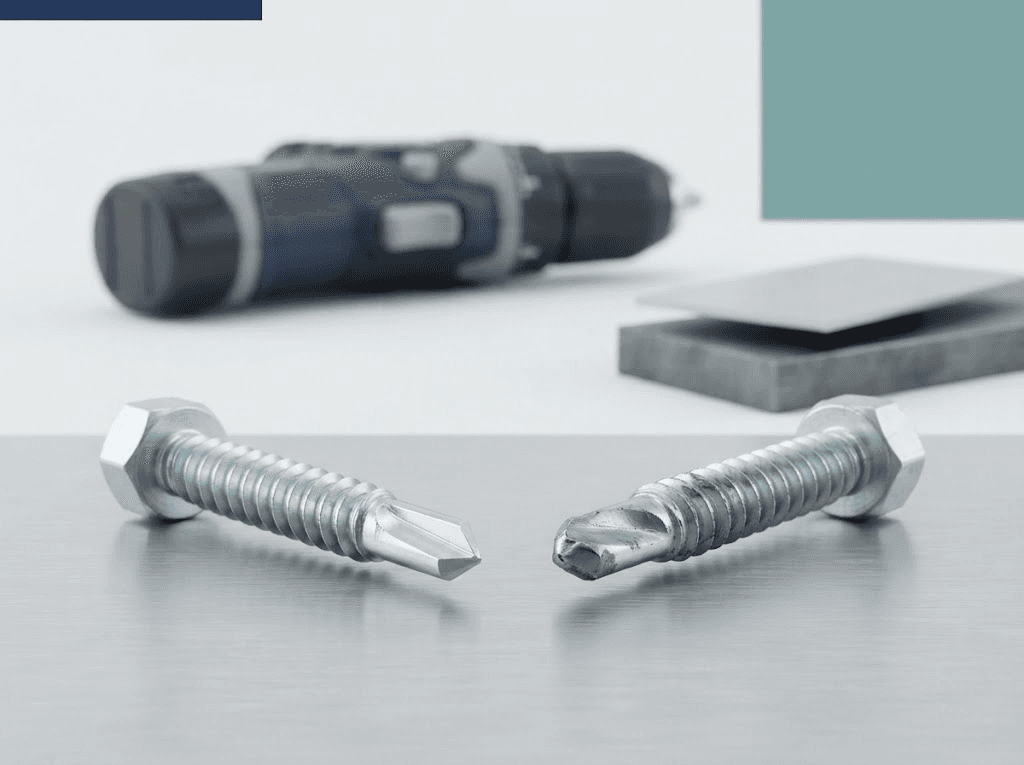
When a self-drilling screw spins against steel without making progress, the purchasing decision becomes urgent: should the installer change the tool settings, should the buyer order a different screw, or should the supplier investigate the batch?A useful diagnosis starts by identifying exactly where drilling stops. Record the material at that point, check the selected screw against the assembly, and then compare installation conditions. This approach gives buyers a clearer basis for deciding what to change and what evidence to request.
Bulk Self-Drilling Screws: An RFQ Checklist for U.S. Importers and Distributors
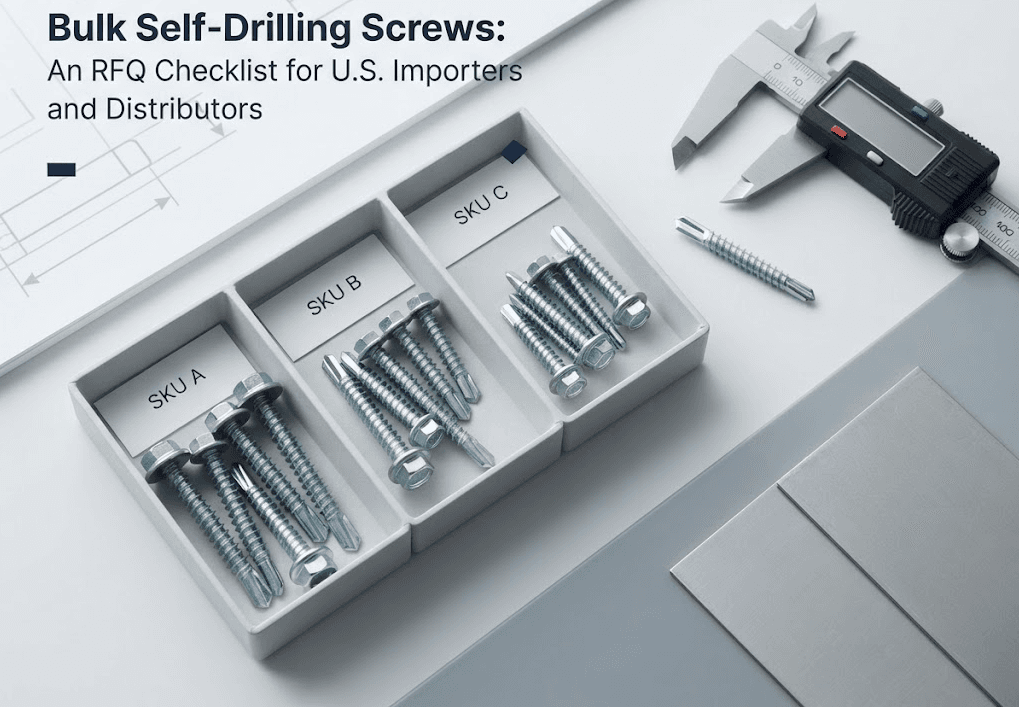
When sourcing bulk self-drilling screws, a unit price is only useful if you know exactly what it covers. Two quotations may appear to describe the same product while differing in dimensions, coating, packaging, or delivery conditions. For U.S. importers and distributors managing several SKUs, those differences can make supplier comparisons difficult. A clear request for quotation—an RFQ—helps suppliers understand your requirements and gives your purchasing team a consistent basis for reviewing their offers. This checklist explains what to include, which details need confirmation, and how to turn an initial inquiry into a specification that both buyer and supplier can review.
Want to know more?
Get in touch with us for more information about our services and products.