
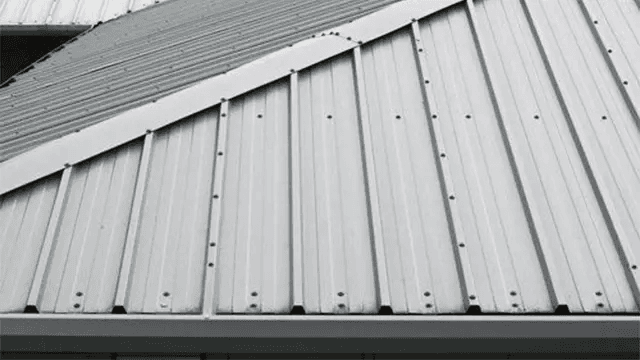
2026 Stainless Steel Screws Market: What B2B Buyers Should Know About Supply Stability and Performance

Han Congming
AuthorWith experience in screw and fastener manufacturing and sales, we operate our own production facility with stable large-scale capacity. We are specialists in self-drilling screws, drywall screws, chipboard screws, machine screws, bolts, and customized fasteners for construction and industrial applications.
Why Are Stainless Steel Screws Seeing Stronger Demand in Industrial and Outdoor Applications?
From a B2B sourcing perspective, this shift is not just about material choice—it’s about reducing long-term project risk. At Screwtrade, we see more buyers prioritizing corrosion resistance and lifecycle performance over short-term cost, especially in outdoor and infrastructure applications.
More projects are being built in environments that are harsh on standard fasteners.
Typical conditions include:
- Coastal exposure with salt-laden air
- High humidity industrial environments
- Outdoor structures with long-term weather exposure
In these environments, corrosion is inevitable.
Carbon steel screws depend on coatings for protection. But coatings:
- Get scratched during installation
- Wear over time
- Eventually fail
Once that happens, corrosion starts and spreads.
Stainless steel screws—especially 304 and 316—work differently. Their corrosion resistance comes from the material itself, not from a surface layer.
That means:
- No reliance on coatings
- More predictable long-term performance
- Better alignment with 15–25 year project lifecycles
This is why demand continues to grow in infrastructure and energy projects.
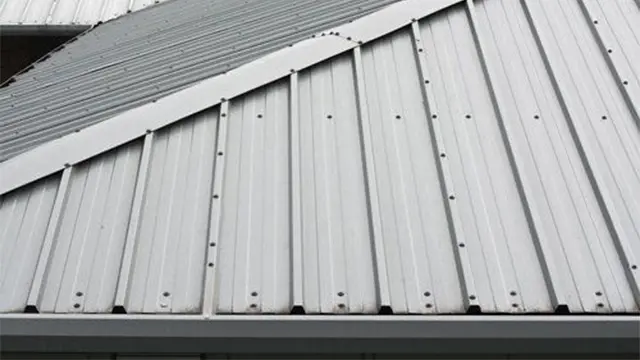
What Are the Practical Differences Between Stainless Steel Grades (304 vs 316 vs 410)?
Choosing the right material grade is critical. Mistakes usually don’t show up immediately—but become visible after a few years.
Here’s a practical breakdown:
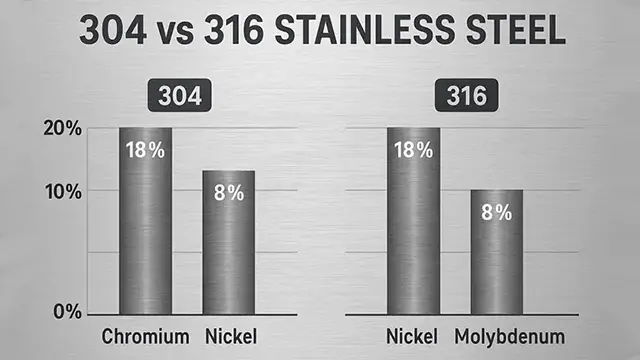
- 304 (A2) The most widely used option. Suitable for general outdoor conditions and standard construction environments.
- 316 (A4) Contains molybdenum, which improves resistance to salt and chemical exposure. Preferred for coastal, marine, or industrial applications.
- 410 Higher strength and hardness compared to 304/316, but significantly lower corrosion resistance. Best used in controlled or indoor environments where mechanical strength matters more than corrosion resistance.
Material selection should always match the environment—not just the price target.
Why Do B2B Buyers Focus More on Supply Chain Stability When Sourcing Stainless Steel Screws?
On paper, stainless steel screws follow standard specifications. In practice, supplier differences show up quickly.
Common issues buyers encounter:
- Inconsistent material composition between batches
- Variations in thread quality
- Delivery delays due to raw material shortages
- Missing or incomplete documentation
For large-scale or long-term projects, these problems create real risks:
- Installation delays
- Inspection failures
- Project timeline disruptions
That’s why procurement decisions now consider:
- Batch consistency
- Material traceability
- Documentation completeness
- Long-term supply reliability
At Screwtrade, the focus is not just meeting specifications, but maintaining repeatability across orders. Because consistency is what keeps projects running smoothly.
How Do Customization and Compliance Affect Stainless Steel Fastener Sourcing?
Standard products cover many use cases, but not all.
In real projects, buyers often require adjustments such as:
- Special head types or drive systems
- Thread designs for specific materials (thin steel, aluminum, etc.)
- Surface treatments or passivation
- Customized packaging for site management
At the same time, compliance requirements are increasing. Buyers frequently request:
- MTR (Material Test Reports)
- RoHS declarations
- Project-specific inspection documentation
These requirements are not complex individually, but they demand controlled production processes.
Working with a supplier that can handle both standard products and customization reduces communication costs and minimizes errors.
What Is Changing in the Stainless Steel Fastener Market Going Forward?
The market is not changing through one major shift, but through several gradual ones:
- Longer lifecycle expectations Projects are designed for 20–25 years, and fasteners must match that lifespan.
- Supply reliability over price Buyers prefer stable delivery and consistent quality over marginal cost savings.
- Stronger supplier relationships Procurement is moving toward long-term partnerships instead of one-off purchases.
These changes reflect a simple reality: switching suppliers mid-project is expensive and risky.
Overall
Stainless steel screws are still small components, but their role in modern projects has become more critical.
Material choice, environmental conditions, and supply consistency now directly affect:
- Structural stability
- Maintenance frequency
- Long-term project costs
For B2B buyers, the decision is no longer just about selecting a product. It’s about choosing a supply approach that fits real project conditions.
Screwtrade provides stainless steel fastening solutions for industrial and outdoor applications, focusing on:
- Consistent production quality
- Controlled manufacturing processes
- Long-term cooperation with global clients
Standard or customized, the goal remains the same: match the fastener to the job, not the other way around.
We supply high-quality, customizable fasteners to meet a wide range of project needs.
Contact Us for more information. You can also explore our Full Product Catalog for detailed specifications.
Related News
Other news you might be interested in
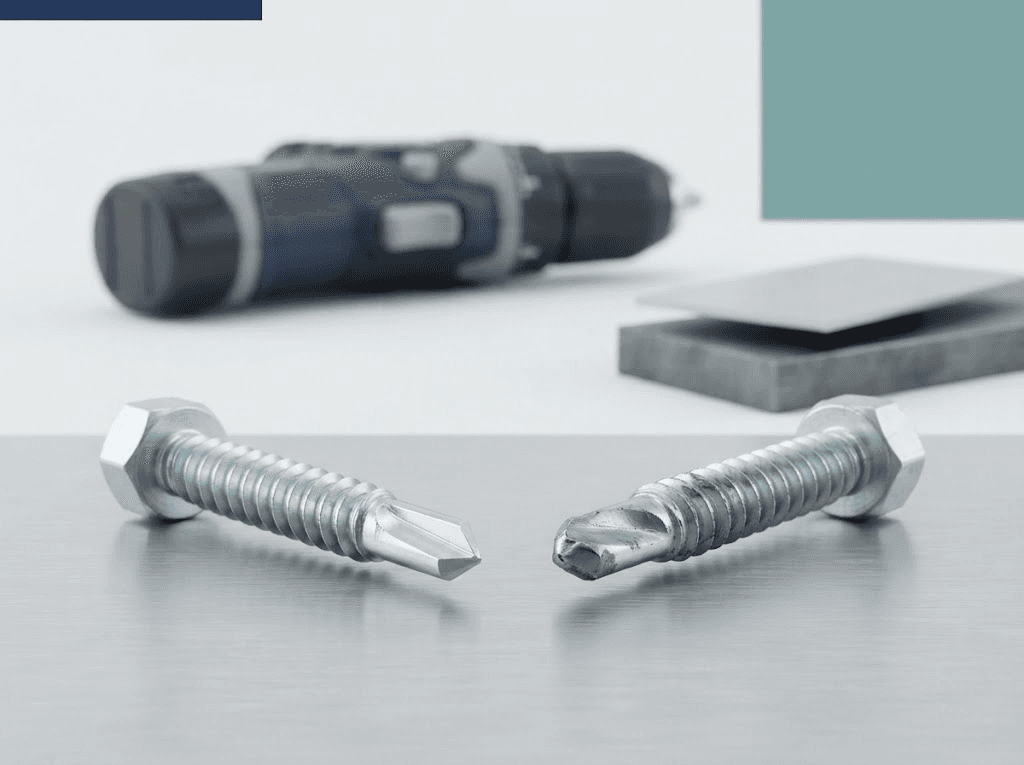
Why Self-Drilling Screws Fail to Drill: A Substrate and Installation Checklist
When a self-drilling screw spins against steel without making progress, the purchasing decision becomes urgent: should the installer change the tool settings, should the buyer order a different screw, or should the supplier investigate the batch?A useful diagnosis starts by identifying exactly where drilling stops. Record the material at that point, check the selected screw against the assembly, and then compare installation conditions. This approach gives buyers a clearer basis for deciding what to change and what evidence to request.
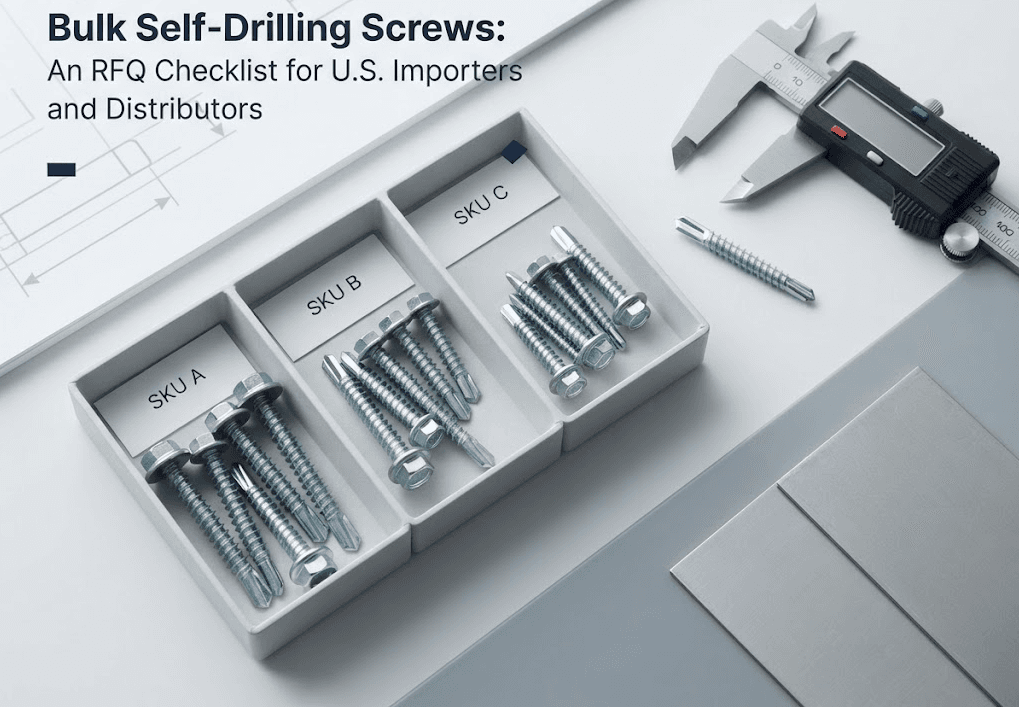
Bulk Self-Drilling Screws: An RFQ Checklist for U.S. Importers and Distributors
When sourcing bulk self-drilling screws, a unit price is only useful if you know exactly what it covers. Two quotations may appear to describe the same product while differing in dimensions, coating, packaging, or delivery conditions. For U.S. importers and distributors managing several SKUs, those differences can make supplier comparisons difficult. A clear request for quotation—an RFQ—helps suppliers understand your requirements and gives your purchasing team a consistent basis for reviewing their offers. This checklist explains what to include, which details need confirmation, and how to turn an initial inquiry into a specification that both buyer and supplier can review.
Want to know more?
Get in touch with us for more information about our services and products.