
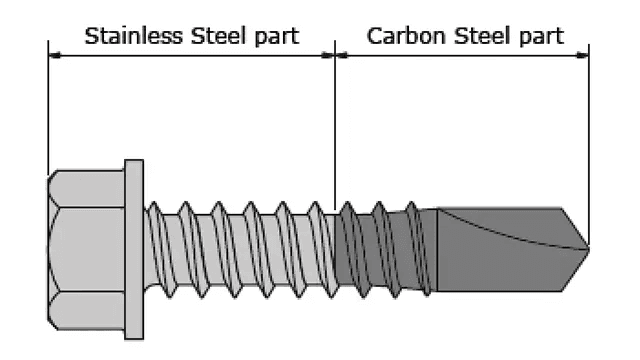
Bi-Metal Self-Drilling Screws: A Corrosion-Resistant Solution for Steel-to-Steel Fastening

Han Congming
AuthorWith experience in screw and fastener manufacturing and sales, we operate our own production facility with stable large-scale capacity. We are specialists in self-drilling screws, drywall screws, chipboard screws, machine screws, bolts, and customized fasteners for construction and industrial applications.
As light-gauge steel structures, metal roofing, prefabricated buildings, steel cladding systems, and industrial equipment manufacturing continue to grow, steel-to-steel fastening has become more than simply joining two metal sheets. Installation speed, connection strength, outdoor durability, and lifetime maintenance costs all affect project quality.
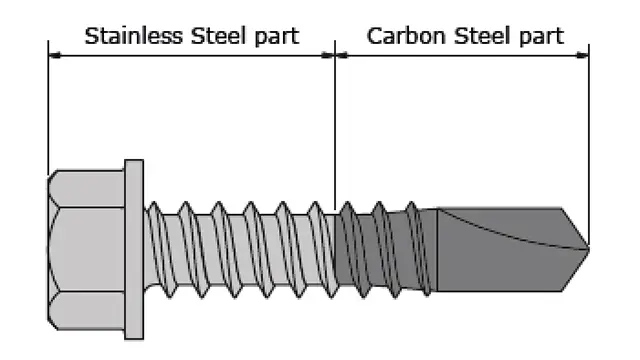
In humid, coastal, or high-temperature-variation environments, standard carbon steel fasteners can corrode prematurely, while conventional stainless steel screws may not provide the drilling performance needed for direct steel penetration. The industry is therefore moving beyond size and price alone toward more reliable fastening solutions. Bi-metal self-drilling screws combine a stainless steel body with a hardened carbon steel drill point, enabling efficient steel-to-steel fastening without pre-drilling while improving corrosion resistance.
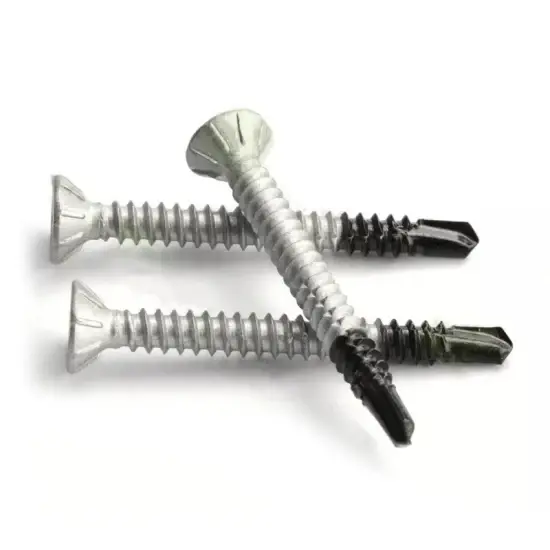
Why Steel-to-Steel Fastening Must Address Both Drilling and Corrosion
In metal roofing, wall cladding systems, light steel framing, and industrial equipment, fasteners must penetrate metal substrates, form secure threads, and withstand moisture, temperature changes, and corrosive exposure over time.
Standard carbon steel self-drilling screws offer effective drilling performance but may corrode in outdoor or high-humidity environments. Conventional stainless steel screws provide corrosion resistance but may not be suitable for drilling directly through steel. A dependable steel-to-steel connection must therefore balance self-drilling performance, fastening efficiency, and corrosion protection.
What Are Bi-Metal Self-Drilling Screws?
Stainless Steel Screw Body
The body of bi-metal self-drilling screws is commonly made from stainless steel, often including 304 stainless steel grades. This helps improve performance in rain, humidity, salt spray, and outdoor environments.
This construction is well suited to metal roofing screws, wall panel fasteners, and steel structure fasteners that require long-term weather resistance.
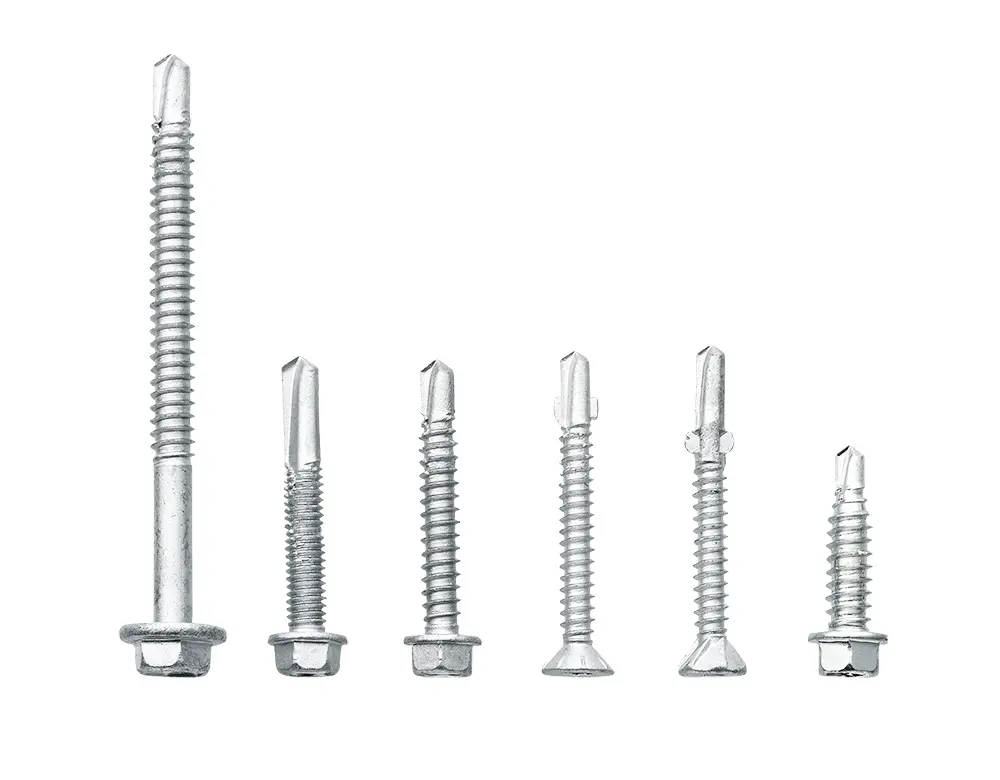
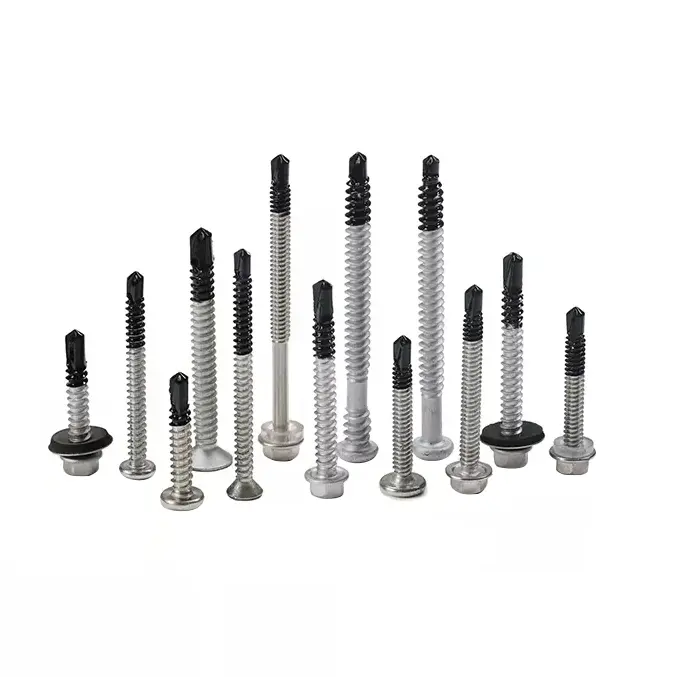
Hardened Carbon Steel Drill Point and Lead Threads
The drill point and part of the lead thread are made from hardened carbon steel, allowing the screw to drill through steel and form threads in the substrate. This gives the fastener drilling capability similar to TEK screws, while retaining the corrosion-resistant benefits of a stainless steel fastener.
An Integrated Drilling, Tapping, and Fastening Process
During installation, the hardened carbon steel drill point creates the hole, the threads form the connection, and the stainless steel body provides long-term corrosion protection. This integrated process reduces pre-drilling steps and improves consistency in steel-to-steel fastening.
How Bi-Metal Construction Extends Connection Life
Long-Term Corrosion Resistance From Stainless Steel
In coastal, humid, and temperature-variable environments, a stainless steel body can reduce the risk of premature corrosion associated with standard carbon steel fasteners. For metal roofing, steel cladding, and exposed metal assemblies, fastener durability directly affects maintenance intervals and system service life.
Improved Steel Penetration With a Hardened Drill Point
A hardened carbon steel drill point can penetrate light- and medium-gauge steel, allowing self-drilling screws to complete many steel-to-steel fastening tasks without separate pre-drilling.
The selected point must match the steel thickness. Refer to ScrewTrade's self-drilling screw drill point and steel thickness guide when evaluating the appropriate drill point for an application.
Differences From Conventional Fasteners
Standard carbon steel self-drilling screws often depend on surface coatings for protection, and their corrosion resistance can be limited by the service environment. Conventional stainless steel screws may lack a drill point designed for direct steel penetration.
Bi-metal self-drilling screws assign different functions to different materials, combining self-drilling performance with corrosion resistance in one fastener.
Applications for Bi-Metal Self-Drilling Screws
Metal Roofing and Wall Cladding Systems
In metal roofing fastening, metal wall panels, and sandwich panels, screws must create reliable steel-to-steel connections while resisting rain, UV exposure, and temperature movement.
Bi-metal roofing screws fitted with EPDM washers help secure the panel while supporting sealing at the fastening point.
Light Steel Framing and Prefabricated Buildings
Light-gauge steel structures and prefabricated buildings require fast, repeatable installation. Selecting bi-metal self-drilling screws that match the actual steel thickness can reduce pre-drilling work and improve the efficiency of high-volume steel-to-steel fastening.
Steel Cladding and Industrial Equipment
Industrial enclosures, metal assemblies, and steel cladding systems may be exposed to vibration, moisture, or corrosive conditions. In these applications, corrosion-resistant fasteners help maintain connection integrity and reduce replacement or maintenance demands.
Solar Mounting Systems and Corrosive Environments
Solar mounting systems, coastal buildings, and high-humidity locations require fasteners that balance outdoor durability with installation efficiency. Bi-metal self-drilling screws can provide a practical solution for compatible metal connections that require both stainless steel corrosion resistance and self-drilling performance.
How to Select the Right Bi-Metal Self-Drilling Screw
Match the Drill Point to Total Steel Thickness
Select the appropriate self-drilling screw drill point according to the combined thickness of the steel layers. If the drill point is not suitable for the target steel, drilling may become slow, generate excessive heat, or fail to create reliable thread engagement.
Select the Correct Diameter, Length, and Thread
The screw length should pass through the connected materials while leaving sufficient thread engagement. Diameter, pull-out requirements, connection design, and steel thickness should all be considered when specifying steel-to-steel fasteners.
Select the Appropriate Screw Head
A hex washer head is suitable for installations that require higher driving torque. A pan head self-drilling screw can suit certain sheet-metal assemblies, while a countersunk self-drilling screw is appropriate where a flatter finished surface is required.
The Role of EPDM Washers in Outdoor Applications
For metal roofing and outdoor steel sheet connections, bi-metal self-drilling screws with EPDM washers can help seal the penetration point and reduce water ingress risk. Installation torque should be controlled to avoid over-compressing the EPDM washer.
Common Installation Mistakes to Avoid
Mismatching the Drill Point and Steel Thickness
An unsuitable drill point can reduce drilling efficiency and may prevent the screw from forming a reliable steel-to-steel connection.
Incorrect Driver Speed or Pressure
Excessive speed can overheat the hardened carbon steel drill point and shorten its service life. Insufficient pressure can reduce the installation efficiency of self-drilling screws. Use suitable installation tools and maintain stable driving conditions.
Overdriving the Screw
Overdriving can strip threads, deform metal sheets, or cause an EPDM washer to lose its sealing performance. Correct installation torque is essential to the reliability of a metal roofing fastening system.
Ignoring Dissimilar-Metal Contact
When stainless steel fasteners are used with other metals, assess the material combination and service environment. This helps reduce the risk of localized corrosion caused by dissimilar-metal contact.
Build a More Reliable Steel-to-Steel Fastening Solution
For projects that require both installation efficiency and long-term durability, bi-metal self-drilling screws offer a more targeted solution than single-material fasteners. By matching steel thickness, drill point, screw length, head style, and EPDM washer configuration, contractors and buyers can create more durable connections for metal roofing, light steel framing, steel cladding, and solar mounting systems.
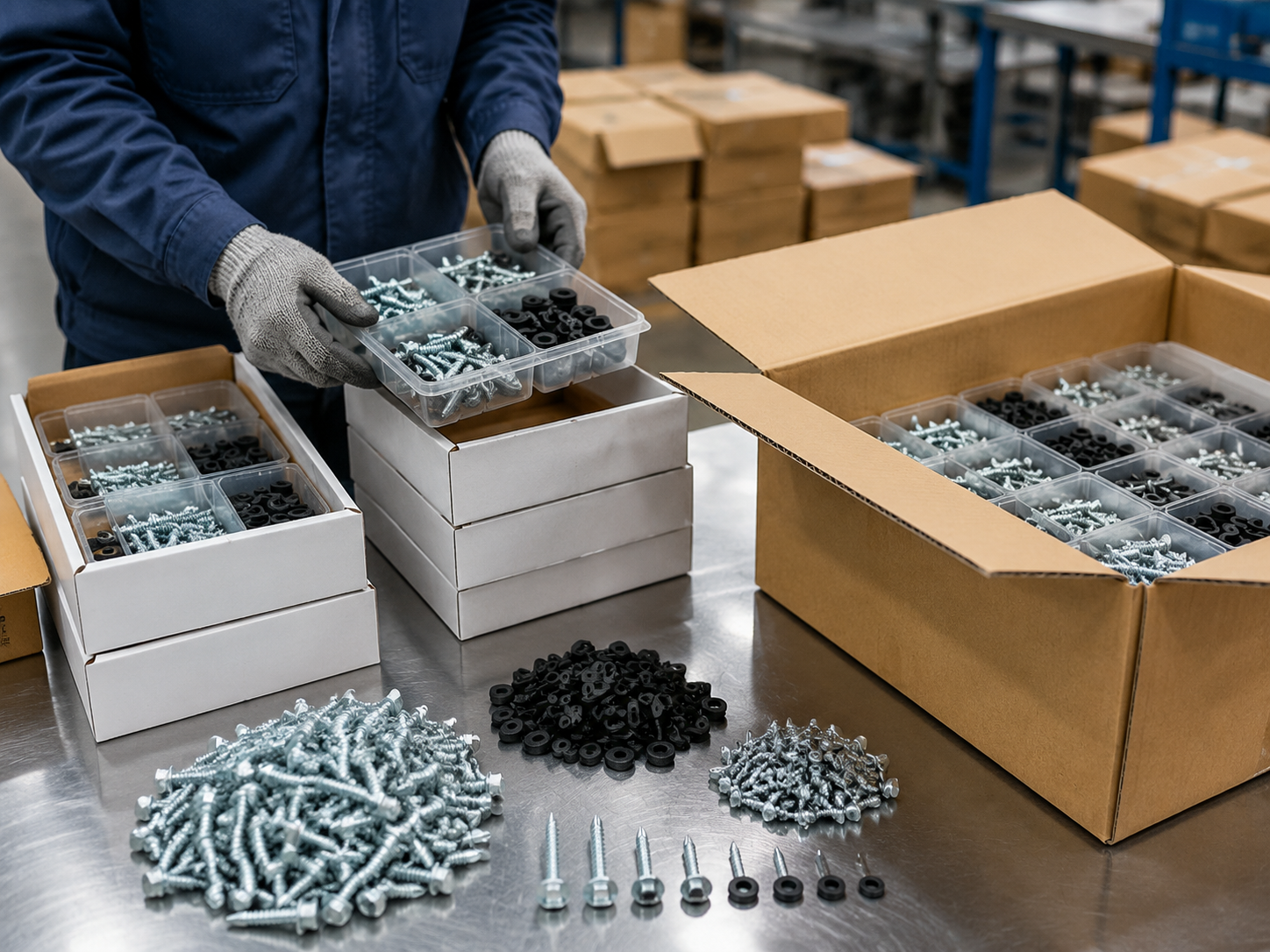
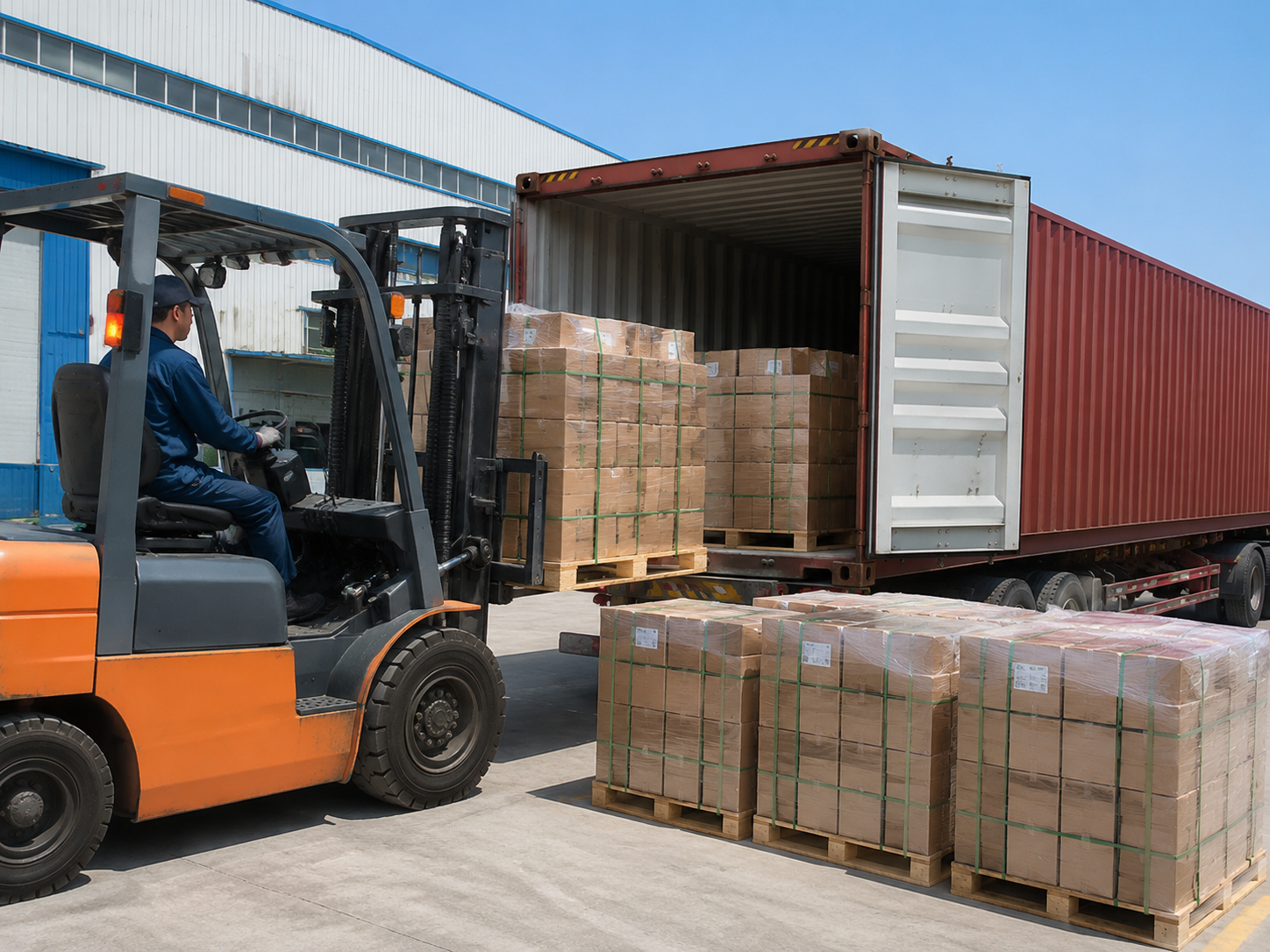
For product specifications, material confirmation, packaging options, or bulk purchasing support, contact ScrewTrade for technical matching and quotation assistance.
FAQ
Can bi-metal self-drilling screws be used with all steel thicknesses? No. The appropriate drill point must be selected according to the total steel thickness. Thicker structural steel may require higher-grade TEK screws or other dedicated structural fastening solutions.
Are bi-metal self-drilling screws suitable for outdoor use? They are suitable for many outdoor steel-to-steel fastening applications. For metal roofing and humid environments, choose products with EPDM washers and confirm the material specification against the expected corrosion level.
Why not use standard stainless steel screws instead? Standard stainless steel screws provide corrosion resistance but may not deliver sufficient self-drilling performance. Bi-metal self-drilling screws use a hardened carbon steel drill point for steel penetration while retaining the long-term protection of a stainless steel body.
Related News
Other news you might be interested in

Why Self-Drilling Screws Fail to Drill: A Substrate and Installation Checklist
When a self-drilling screw spins against steel without making progress, the purchasing decision becomes urgent: should the installer change the tool settings, should the buyer order a different screw, or should the supplier investigate the batch?A useful diagnosis starts by identifying exactly where drilling stops. Record the material at that point, check the selected screw against the assembly, and then compare installation conditions. This approach gives buyers a clearer basis for deciding what to change and what evidence to request.

Bulk Self-Drilling Screws: An RFQ Checklist for U.S. Importers and Distributors
When sourcing bulk self-drilling screws, a unit price is only useful if you know exactly what it covers. Two quotations may appear to describe the same product while differing in dimensions, coating, packaging, or delivery conditions. For U.S. importers and distributors managing several SKUs, those differences can make supplier comparisons difficult. A clear request for quotation—an RFQ—helps suppliers understand your requirements and gives your purchasing team a consistent basis for reviewing their offers. This checklist explains what to include, which details need confirmation, and how to turn an initial inquiry into a specification that both buyer and supplier can review.
Want to know more?
Get in touch with us for more information about our services and products.