
Corrosion-Resistant Fasteners Gain Momentum as Global Construction and Metal Roofing Projects Demand Longer Service Life

Han Congming
AuthorWith experience in screw and fastener manufacturing and sales, we operate our own production facility with stable large-scale capacity. We are specialists in self-drilling screws, drywall screws, chipboard screws, machine screws, bolts, and customized fasteners for construction and industrial applications.
Abstract
As global construction, industrial roofing, and steel structure projects continue to expand, buyers are paying closer attention to the long-term performance of fasteners exposed to humidity, temperature changes, and outdoor environments. Corrosion-resistant fasteners are moving from a “nice-to-have” option to a core specification in B2B procurement. For distributors, contractors, and project owners, the focus is no longer only on unit price, but also on service life, installation reliability, maintenance cost, and supply consistency.
Rising Demand From Construction and Metal Roofing Markets
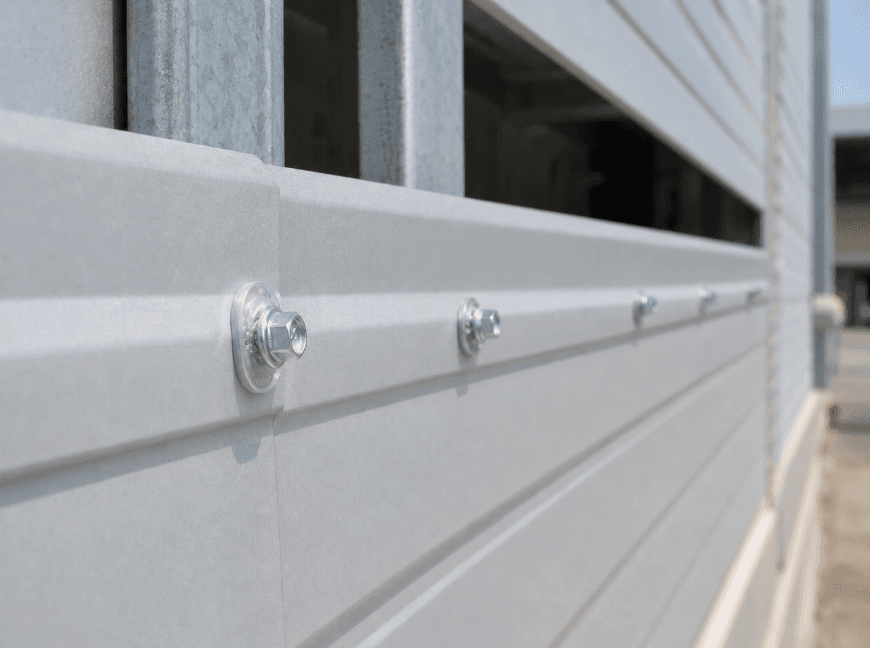
Across commercial buildings, warehouses, factories, agricultural facilities, and infrastructure projects, metal roofing and light steel structures are being used more widely because of their durability, installation efficiency, and long lifecycle value. This trend is also increasing demand for fasteners that can perform reliably in exposed or semi-exposed environments.
In roofing and cladding systems, fasteners are small components, but their role is critical. A screw that loses coating protection too early may lead to rust marks, water leakage, loose panels, or premature maintenance. For contractors and building owners, these problems can be far more expensive than the initial cost difference between ordinary and corrosion-resistant fasteners.
As a result, international buyers are placing greater emphasis on material selection, surface treatment, coating consistency, and batch quality control when sourcing screws, bolts, washers, and related fastening products.
Why Corrosion Resistance Has Become a Procurement Priority
The shift is closely related to three industry factors.
First, many projects are now designed for longer service cycles. Industrial buildings, logistics parks, solar mounting systems, and steel-frame facilities often require fastening solutions that can maintain stable performance over years of use.
Second, weather exposure is becoming a more important engineering consideration. Fasteners used in roofing, exterior panels, ventilation ducts, and metal frames may face rain, condensation, humidity, temperature fluctuation, and pollutants. In coastal or high-humidity regions, corrosion risk becomes even more visible.
Third, B2B buyers are increasingly calculating total cost of ownership. A low-cost fastener may appear competitive at the purchasing stage, but if it causes installation failure, maintenance claims, or replacement work, the actual project cost rises quickly. This is why many importers and distributors now prefer products with clearer specifications, stronger surface protection, and more stable production control.
Product Selection Is Moving Toward Application-Based Matching
For fastener suppliers, corrosion resistance is not only about offering one coating option. It requires matching the fastener structure, material, surface treatment, and application environment.
For example, Hexagon Head Self Drilling Screws Product is suitable for rapid installation in thin steel plates, color steel sheets, metal studs, aluminum profiles, ventilation ducts, roof enclosures, and light-duty metal frames. Its self-drilling design combines drilling, tapping, and fastening in one operation, helping contractors reduce installation steps while maintaining practical fastening strength. For ordinary indoor or semi-outdoor environments, galvanized options can support cost-controlled procurement, while higher-grade surface treatments may be considered for more demanding exposure conditions.
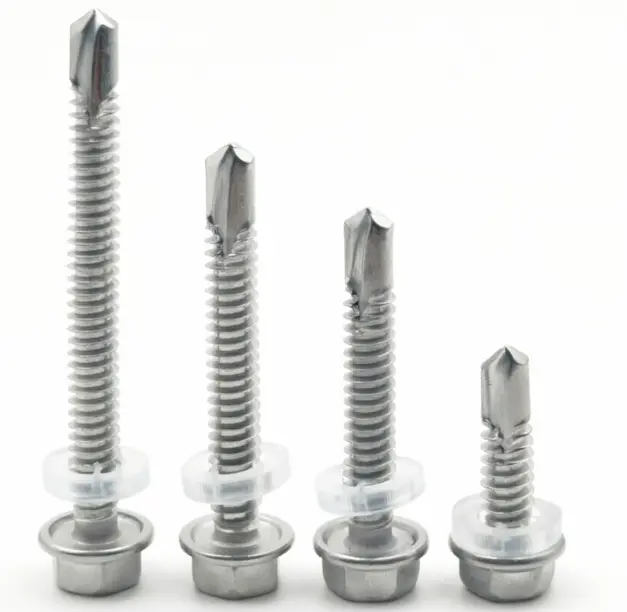
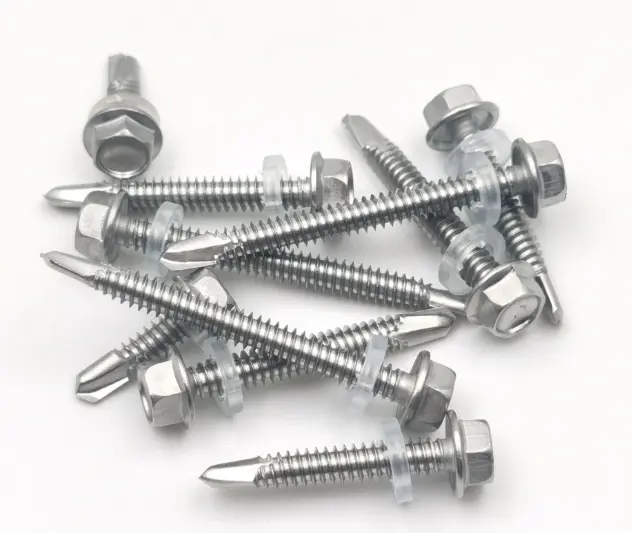
Hexagon Head Self Drilling Screws Product
For applications that require a larger bearing surface and smoother appearance, Truss Head Self Drilling Screw provides another practical option. Its low and wide truss head helps distribute pressure more evenly after installation, making it suitable for thin steel plates, aluminum profiles, light steel keels, metal brackets, and related assembly work. In projects where anti-loosening performance, surface fit, and stable batch quality are important, this type of screw can help buyers balance technical performance with installation efficiency.
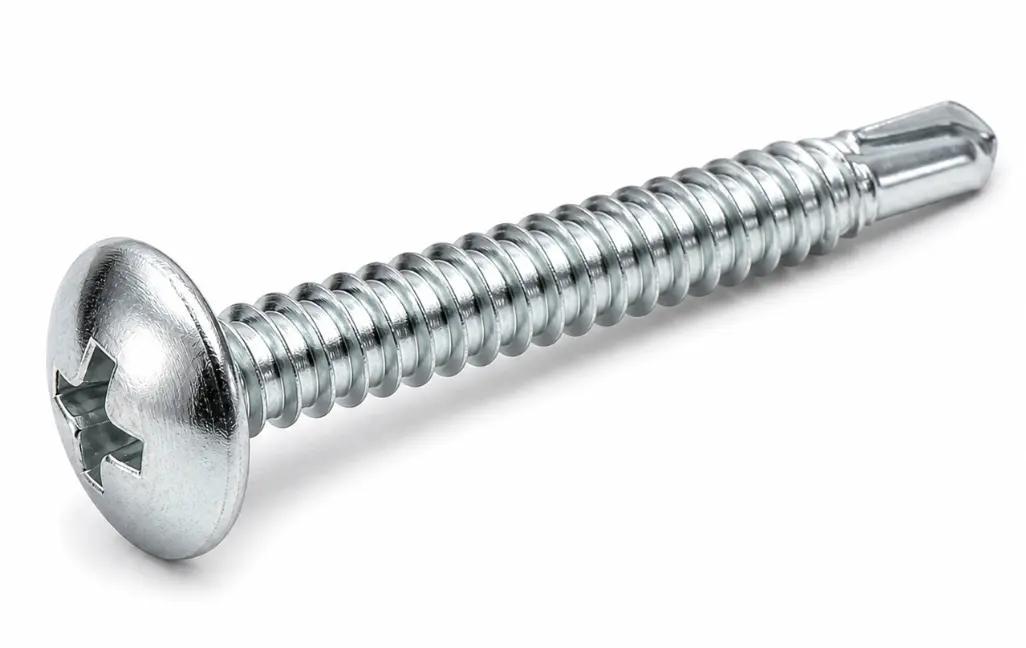
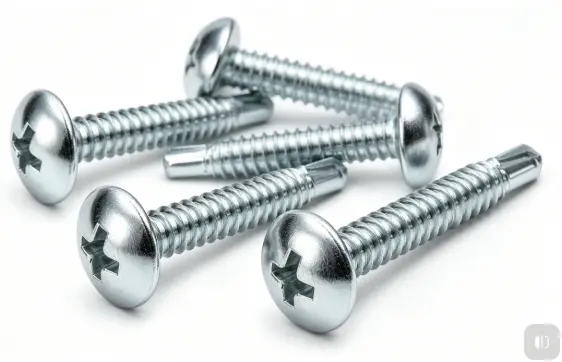
Truss Head Self Drilling Screw
Quality Control Becomes as Important as Coating Choice
Industry buyers are also becoming more cautious about consistency between samples and mass production. A fastener may pass initial evaluation, but if later batches vary in dimensions, drilling performance, coating thickness, or packaging quality, the buyer still faces operational risk.
This is why procurement teams are increasingly asking suppliers to confirm key specifications before bulk orders. Important checkpoints may include diameter and length tolerance, head type, drilling point performance, coating requirement, salt-spray expectation, packaging method, label format, and delivery schedule.
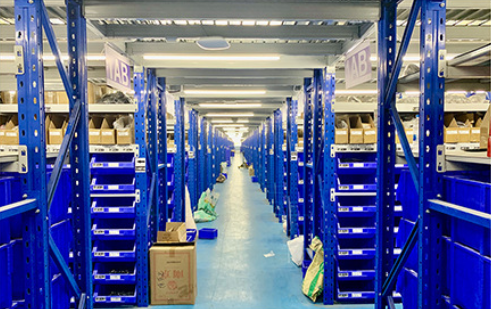
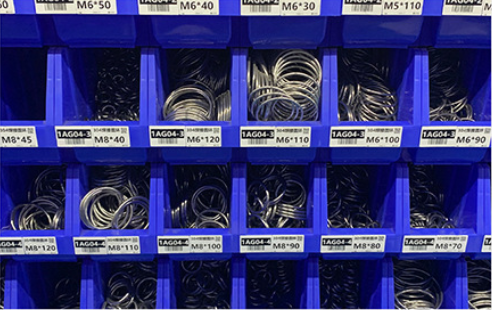
For distributors, stable specifications also improve inventory management. When a screw product can be repeatedly supplied with consistent quality, it becomes easier to serve regional contractors, hardware channels, and long-term project customers.
Outlook: Corrosion-Resistant Fasteners Will Continue to Gain Strategic Value
Looking ahead, corrosion-resistant fasteners are expected to remain an important growth area in the industrial fastener market. Construction growth, metal roofing adoption, infrastructure upgrades, and stricter project quality requirements are all pushing buyers toward more durable fastening solutions.
As global projects demand longer service life and lower maintenance risk, corrosion-resistant fasteners will continue to gain momentum as a practical foundation for safer, more durable, and more cost-effective construction systems.
Related News
Other news you might be interested in

Why Self-Drilling Screws Fail to Drill: A Substrate and Installation Checklist
When a self-drilling screw spins against steel without making progress, the purchasing decision becomes urgent: should the installer change the tool settings, should the buyer order a different screw, or should the supplier investigate the batch?A useful diagnosis starts by identifying exactly where drilling stops. Record the material at that point, check the selected screw against the assembly, and then compare installation conditions. This approach gives buyers a clearer basis for deciding what to change and what evidence to request.

Bulk Self-Drilling Screws: An RFQ Checklist for U.S. Importers and Distributors
When sourcing bulk self-drilling screws, a unit price is only useful if you know exactly what it covers. Two quotations may appear to describe the same product while differing in dimensions, coating, packaging, or delivery conditions. For U.S. importers and distributors managing several SKUs, those differences can make supplier comparisons difficult. A clear request for quotation—an RFQ—helps suppliers understand your requirements and gives your purchasing team a consistent basis for reviewing their offers. This checklist explains what to include, which details need confirmation, and how to turn an initial inquiry into a specification that both buyer and supplier can review.
Want to know more?
Get in touch with us for more information about our services and products.