
Self-Tapping Screws for Metal: A Pilot-Hole and Trial-Assembly Checklist

Han Congming
AuthorWith experience in screw and fastener manufacturing and sales, we operate our own production facility with stable large-scale capacity. We are specialists in self-drilling screws, drywall screws, chipboard screws, machine screws, bolts, and customized fasteners for construction and industrial applications.
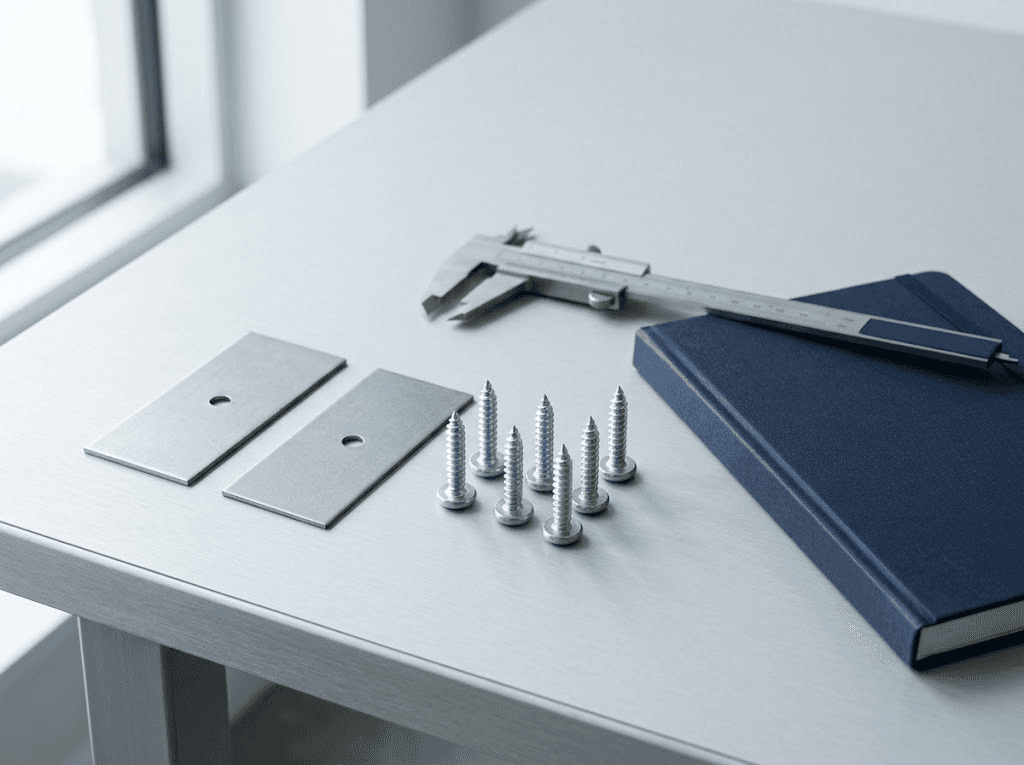
The diameter and length of metal self tapping screws are not fully specified. Before placing a production order, the buyer needs to know whether the proposed screws, prepared holes, plates, and installation process work together.
This is particularly important when the sample is difficult to drive, the screw rotates before clamping the part, or two suppliers suggest different guide hole sizes. The next step is to determine the assumptions for each suggestion and test the proposed combination under agreed upon conditions.
This checklist can assist procurement, engineering, and quality teams in preparing detailed application information, comparing supplier recommendations, and documenting trial assembly before approving bulk supply.
Start from the joint and confirm the screw type
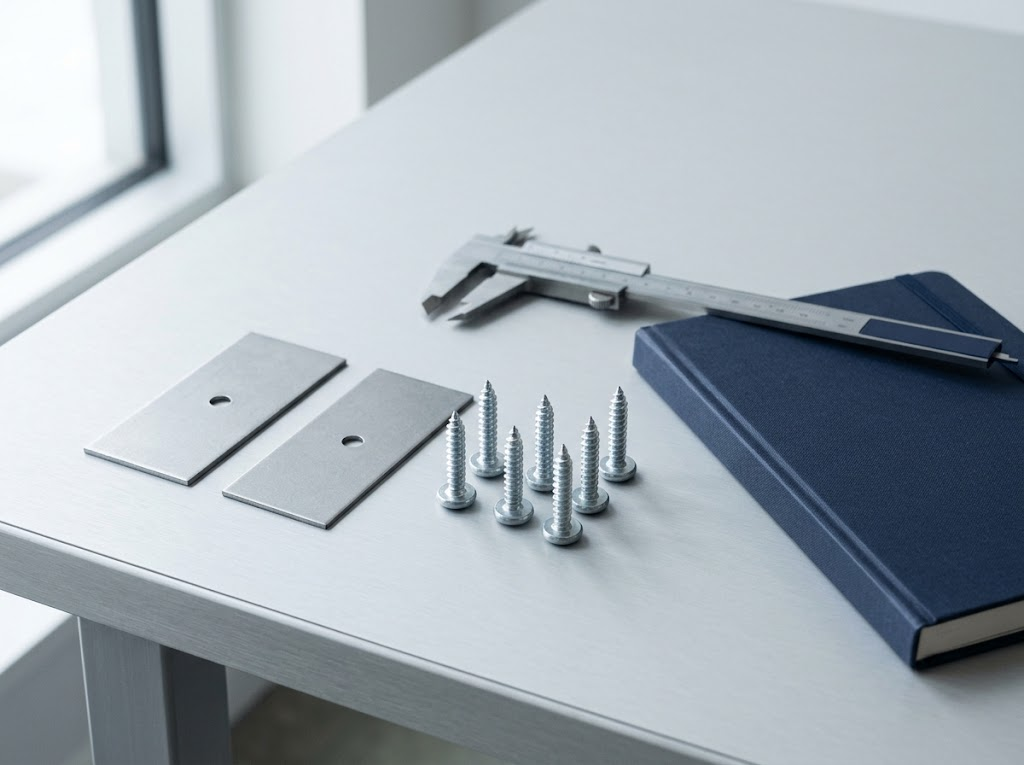
When asking how to use metal self tapping screws, start with the connection that needs to be made.
Describe which parts are being connected, which parts will receive threads, and how to assemble the connection. Drawings or cross-sections are more useful than descriptions such as "metal plates"
Confirm the expected tightening method for the screws. Self drilling screws have a drill tip designed to drill holes in suitable substrates. The self attacking name describes the ability to create mating threads; It itself cannot be certain that the screw will drill through the proposed metal.
For prepared hole applications, suppliers are required to determine whether the proposed screws form or cut mating threads and provide corresponding application guidelines. Do not transfer hole recommendations between different screw designs simply because the nominal diameters of the screws match.
Buyer's question: "Which specific screw design do you recommend, and what kind of hole preparation do we need for our material and thickness
Provide suppliers with the conditions behind their choices
Before requesting suggestions for self tapping screw guide holes, please use the following checklist.
| Selection condition | Information to provide | Decision to resolve |
|---|---|---|
| Receiving material | Metal type, grade, coating, and hardness information where available | Whether the proposed screw is intended for that material |
| Joint arrangement | Thickness of each part, clearance holes, gaps, and the part receiving the thread | Where thread engagement and clamping will occur |
| Hole preparation | Drilled, punched, or otherwise formed hole; finished dimensions and tolerances | Which hole condition the recommendation assumes |
| Screw identification | Supplier item number, diameter, length, thread design, head, drive, material, and finish | Whether the trial and quotation refer to the same item |
| Installation process | Tool, bit or socket, access, alignment, and available control settings | Whether the proposed method can be reproduced in production |
| Service requirements | Loading, exposure, maintenance access, and any required removal and refitting | Which performance checks engineering must specify |
Mark missing information as unknown. If the receiving material grade or screw type is uncertain, please keep the selection open until the responsible technical reviewer resolves it.
For the joints that must be opened during maintenance, the briefing should include the necessary disassembly and reinstallation conditions. Do not assume that the initial successful installation proves the applicability of repeated service access.
Request to provide recommendations for guide holes related to specific applications
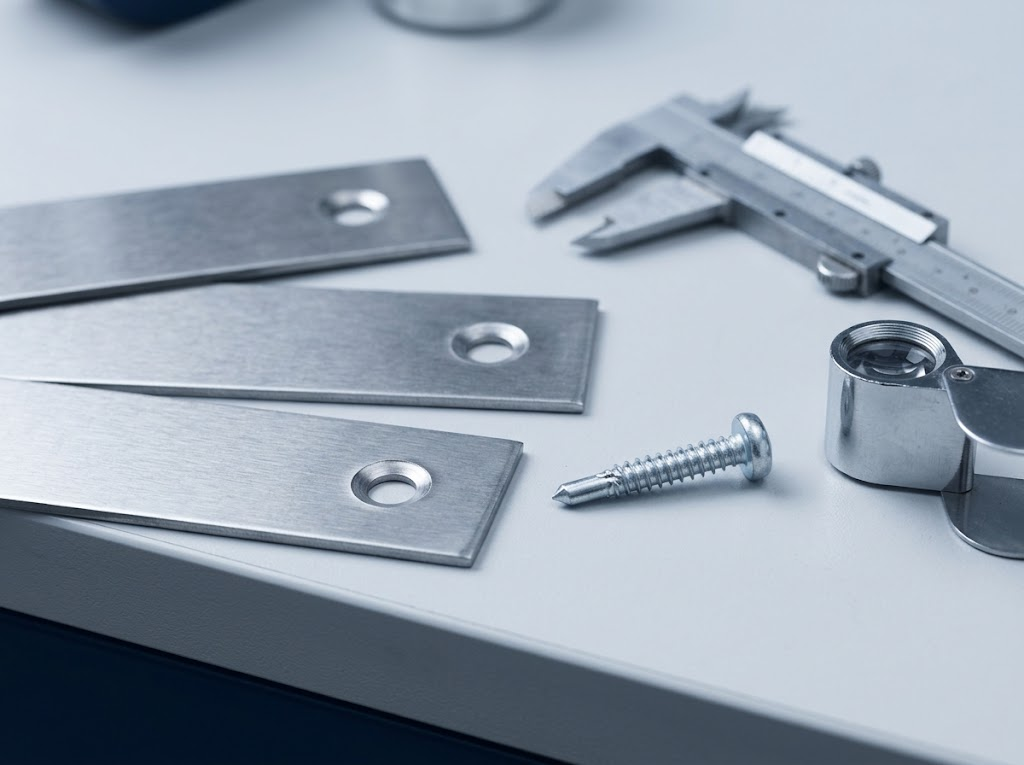
The self tapping screw guide hole diagram can be used as a reference, but the important issue is whether its conditions match your joint.
The manufacturer's specific design resources explain why details are important. EJOT's SHEETTracs application guide considers the connected material and plate thickness when determining the pre hole diameter, and takes into account the screw surface condition in its tightening recommendations. These suggestions belong to the fastening system; They cannot exchange product data with other suppliers.
Please confirm with the proposed supplier:
- Suggested screw projects and drawing revisions to be covered.
- Assumed receiving material and thickness.
- Recommended finished aperture and tolerance.
- Any requirements for hole preparation, edge or burr control.
- Installation instructions and trial conditions.
- Any application restrictions or further testing required.
Specify whether the referenced size is a tool size or an acceptable finished hole size. Record the actual dimensions produced on the test parts.
If the supplier suggests using different guide hole sizes for the metal, please explain the differences in screw design and application assumptions. Before choosing one, please provide a comprehensive fastening plan.
Agree to try before installing the sample
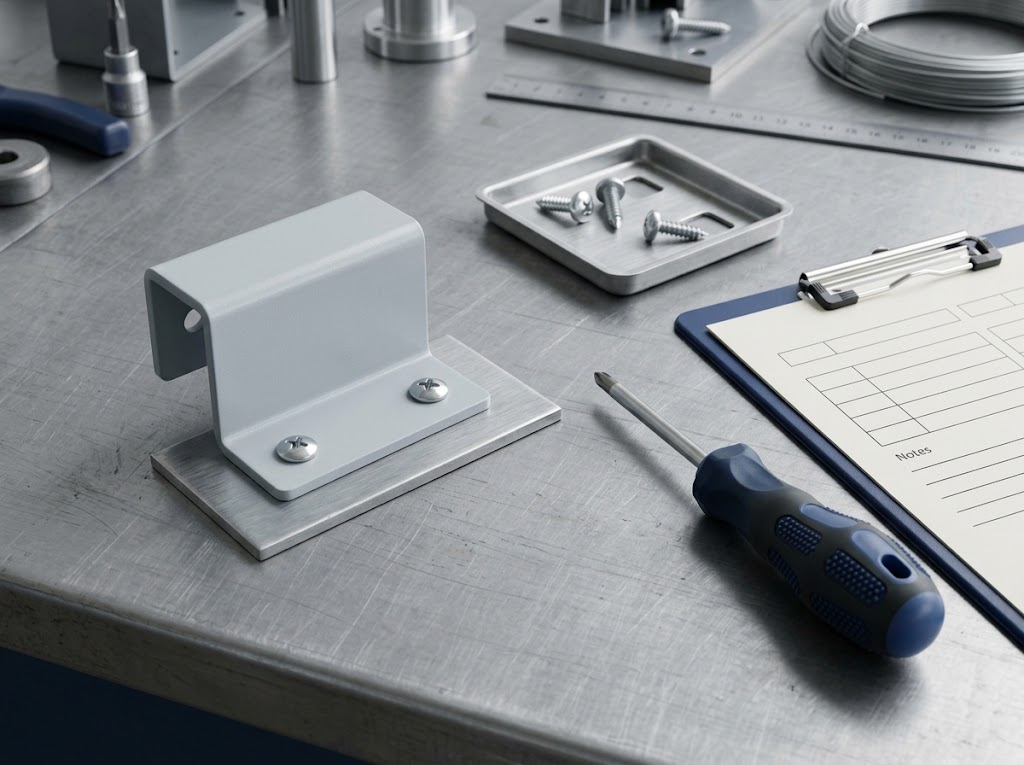
Consider trial assembly as a documented selection step. The purpose is to inspect and determine the combination of screws and joints according to the agreed requirements.
Before testing, reach an agreement on the number of samples, material samples, installation methods, acceptance criteria, and personnel responsible for reviewing the results. Use representative production parts where feasible. If alternative samples are used, record their differences from the expected components.
Put the screw sample reference, material identification, and hole preparation record together. Separate the recording of tools and their settings from any measured installation data; A separate dial setting is not the result of measuring torque.
Use this trial record:
| Trial field | What to record |
|---|---|
| Screw | Item number, drawing revision, finish, and sample or lot reference |
| Assembly | Material grade, individual thicknesses, and joint arrangement |
| Hole | Preparation method, specified range, measured dimensions, and observed edge condition |
| Installation | Tool, drive accessory, approved settings, and installation sequence |
| Observations | Starting behavior, head seating, visible deformation, damaged threads, or other abnormalities |
| Required checks | Results against the tests and limits agreed by the technical reviewer |
| Decision | Approved conditions, unresolved issues, or changes requiring another trial |
If installation force, torque, pull-out resistance, or other performance indicators are important, please have the technical reviewer determine the testing method and acceptance limits. Merely relying on visual seating cannot determine whether all service requirements have been met.
If the screw gets stuck or rotates, please keep evidence
Difficult installation cannot determine its own reasons. Before anyone changes the specifications, different observations need to be recorded for a screw that cannot be in place and a screw that rotates without a fixed joint.
For stagnant installations, record the location where progress stops, hole condition, screw identification, alignment, and tool settings. Retain affected screws and parts where feasible.
For rotating screws, record whether the screw head is in place, whether the part is clamped, and visible thread or hole damage. Don't think that changing the screw length or increasing the tool settings can solve the problem.
Send test records, photos, and retained sample references to suppliers. Please ask the technical examiner to define the next comparison. When feasible, change one agreed variable at a time so that the results can still be explained.
If it is suggested to modify the hole size, screw design, surface treatment, or installation method, please record the modification content and repeat the relevant checks before approval.
Incorporate the approved trial conditions into the purchase order
A useful experiment will generate an approved combination, not just a sample marked as' passed '
Keep the screw specifications, receiving materials, hole requirements, installation conditions, test results, and approval records together. Determine which conditions are covered by the approval and which have not yet been resolved.
For bulk self tapping screws, inquire about how to identify the supplied goods based on approved projects and sample references. Agree on how to communicate and review proposed product changes.

Aligning business details with technical approvals: SKU quantity, packaging count, quotation unit, delivery destination, and required arrival date. Price comparison is only useful when both quotations describe the accepted product and the same procurement basis.
Prepare for the next inquiry around the application
To discuss self tapping screws for metal components, please send ScrewTrade:
- A picture, photograph, or cross-section of a seam.
- The receiving material and thickness of each layer.
- Existing or proposed hole sizes and preparation methods.
- The screw specification or reference project you are considering.
- Installation process and any experimental observations.
- The quantity listed by SKU, packaging requirements, and delivery destination.
Inquire about which available product options match the application and what technical information is required before trial approval. Confirm product availability, recommendations, and commercial terms for specific inquiries.
The next step is to reach a consensus on the combination of screws and holes before approving production use, for evaluation, recording test conditions, and resolving the results with the responsible technical reviewer.
Related News
Other news you might be interested in

How to Compare Self-Drilling Screw Suppliers for Bulk Construction Orders
You have sent the same screw requirements to multiple suppliers, but received different prices, packaging details, and delivery dates. Which quotation should you accept?For construction orders, compare each quotation with the connection requirements and the date when the screws must arrive at the construction site. A useful comparison should answer three questions: Are the referenced products applicable to the same application? What is included in each price? Can the supplier meet the agreed delivery and subsequent requirements?
Why Are Stainless Steel Self-Drilling Screws Still Rusting? A Guide for Buyers
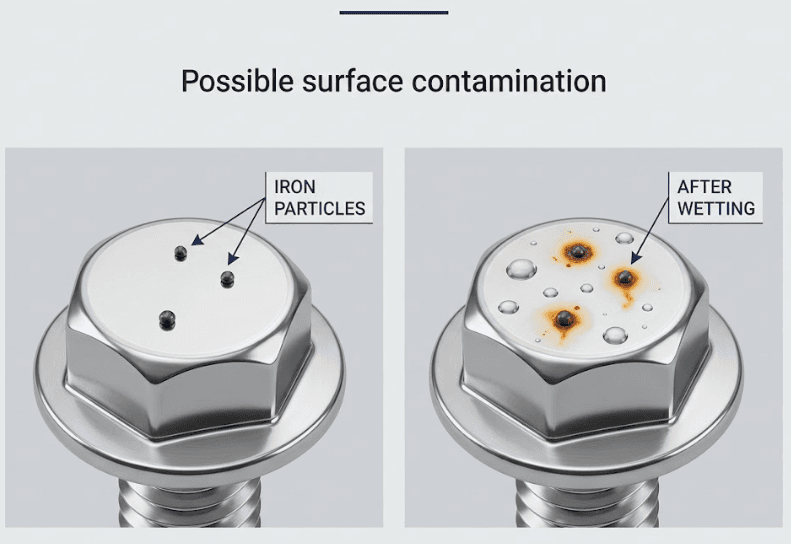
You have specified stainless steel self drilling screws to avoid corrosion complaints. Now, there are brown marks, stained washers, or rusty drill tips around the drill bit. Should you reject the batch, replace the materials, or review what happened during the installation process? Firstly, determine the cause and location of corrosion. Stainless steel can produce surface stains or more severe corrosion, while iron contamination can also leave rust on the surface of stainless steel. Merely relying on appearance cannot determine the cause.
Want to know more?
Get in touch with us for more information about our services and products.