
How to Source High-Performance Self-Drilling Screws for B2B Export: A Guide to Quality, Compliance, and Cost Efficiency

Han Congming
AuthorWith experience in screw and fastener manufacturing and sales, we operate our own production facility with stable large-scale capacity. We are specialists in self-drilling screws, drywall screws, chipboard screws, machine screws, bolts, and customized fasteners for construction and industrial applications.
How to Source High-Performance Self-Drilling Screws for B2B Export: A Guide to Quality, Compliance, and Cost Efficiency
1. Addressing Common Pain Points in Fastener Sourcing
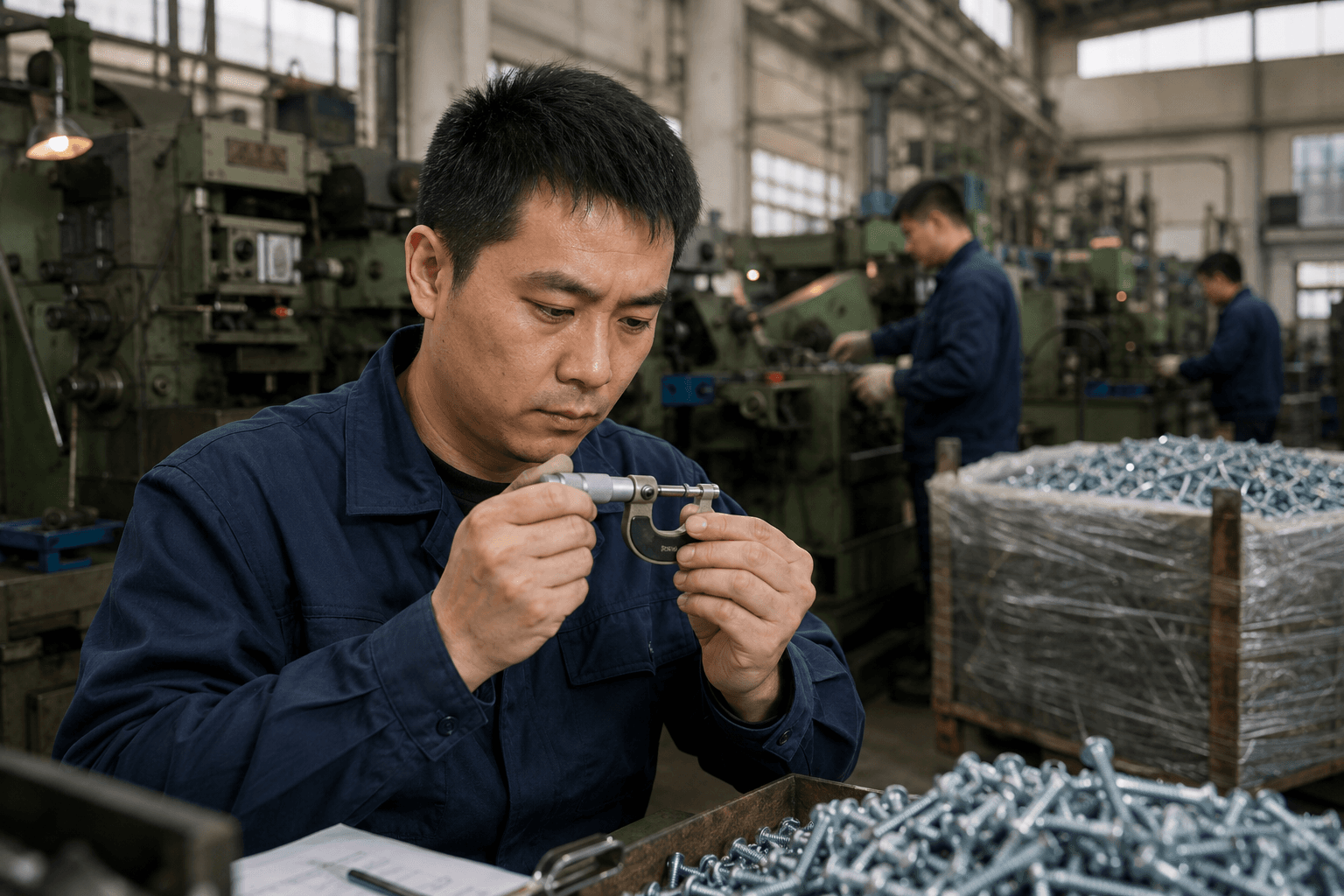
Every screw importer and screw distributor knows the frustration: you open a shipment and find inconsistent product quality that wasn't present in the approval samples. Batch-to-batch variation in a self-drilling screw line leads to installation failures on site—drill points that wander, threads that strip, and heads that shear under torque. These aren't minor inconveniences; they're project delays and credibility killers.
Then there's the paperwork labyrinth. Navigating export documentation requirements while verifying ISO fastener standard compliance and DIN 7504 conformity demands expertise that many trading companies simply don't possess. One missing certificate and your container sits in customs, accruing demurrage charges while your client's project timeline evaporates.
Long lead times and inflexible minimum order quantities compound the problem. When a screw wholesaler demands container-level commitments for a single specification, your working capital gets trapped in slow-moving inventory. And if you're sourcing roofing screw products for coastal or industrial environments, corrosion failures from substandard zinc plated screw coatings or poorly applied HDG screw treatments generate warranty claims that erode margins and relationships. Our self drilling screw focus addresses these exact pain points through systematic quality controls from raw material to final packaging.
2. Mastering Self-Drilling Screw Standards and Specifications
Getting the specification right starts with understanding drill point classifications. A #1 drill point suits thin sheet metal; a #5 drill point screw handles structural steel up to 12.5mm. Mismatch this and your metal to metal screw application either won't penetrate or burns out during installation. For wood to metal screw applications, the point geometry changes entirely—requiring a winged tip that clears wood fibers before the thread engages the metal substrate.
Global market acceptance hinges on DIN 7504 conformity and broader ISO fastener standard compliance. These aren't bureaucratic checkboxes—they define thread geometry, hardness ranges, and performance thresholds that ensure interchangeability across suppliers. When your client in Germany or Saudi Arabia inspects incoming goods, DIN 7504-compliant self-tapping screw products clear customs without dispute. For buyers navigating complex specifications, our specification matching support helps identify the exact standard and coating combination for each application environment.
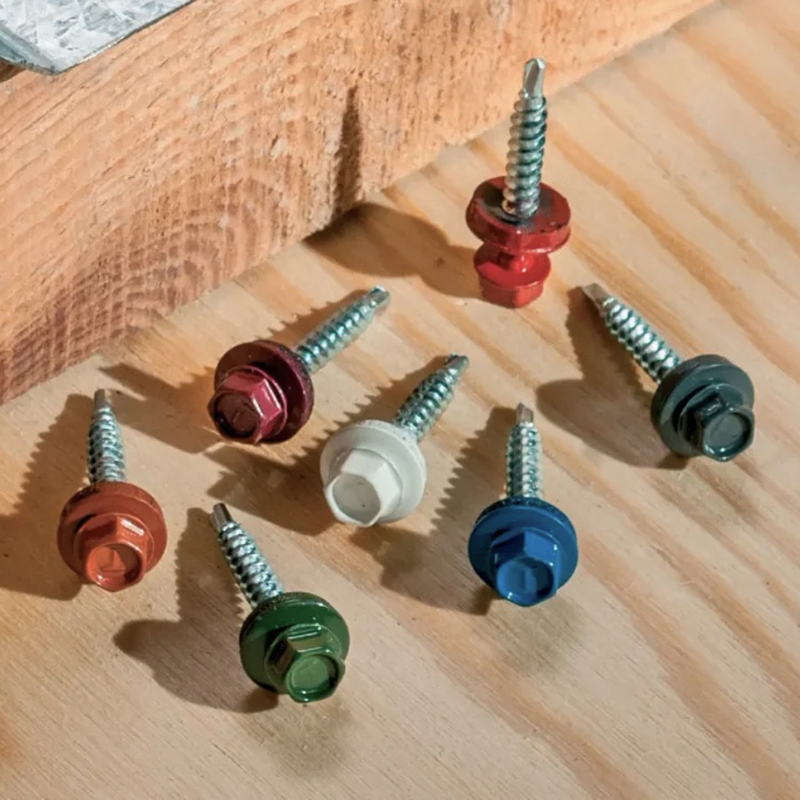
Coating selection directly impacts field performance. A Ruspert coated screw delivers 1,000+ hours of salt spray resistance for aggressive environments—far outperforming standard zinc plated screw finishes intended for interior or mild conditions. HDG screw options provide thick sacrificial protection for outdoor structural applications, while stainless steel screw grades (304 and 316) eliminate coating concerns entirely for food processing, marine, and chemical exposure scenarios. The substrate matters equally: a properly heat-treated carbon steel screw with certified tensile strength above 1,000 MPa performs differently than an annealed stainless fastener with lower yield strength. Request mill certificates and heat treatment records for every production lot.
3. The Hidden Costs of Low-Quality Fasteners and How to Avoid Them
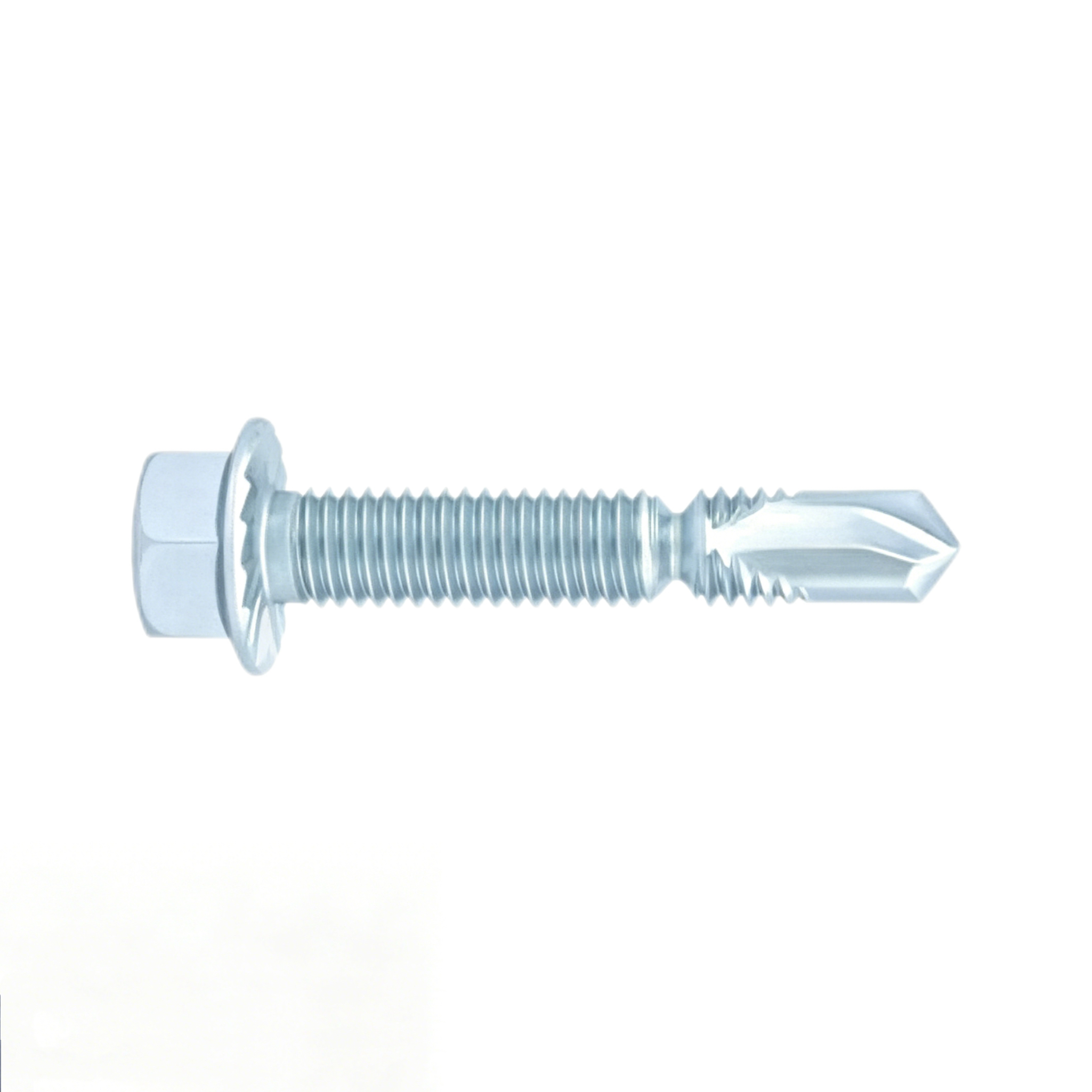
The purchase price of a self-drilling screw tells you almost nothing about its true cost. A roofing screw that fails mid-installation doesn't just cost you the fastener—it costs you the installer's time, the damaged panel, the scaffolding rental, and the general contractor's confidence in your supply chain. One builder we worked with calculated that a single batch of improperly thread-rolled screws generated rework costs exceeding 14 times the original fasteners' invoice value.
Consider the common failure mode in metal roofing: the screw tip drills through, but inconsistent thread forming prevents proper engagement. The installer over-torques to compensate, the head snaps, and now there's an unsealed penetration in a weather-exposed panel. This isn't hypothetical—it's the predictable outcome when a fastener manufacturer cuts corners on thread rolling die maintenance or bypasses heat treatment verification. Our performance testing reports document the difference between specification-compliant products and their substandard alternatives.
Winged self-drilling fasteners like our Drill Twist-Shear Bolt solve a specific problem: controlling the point at which drilling stops and controlled fastening begins. For tek screw applications in cladding and purlin connections, this prevents both under-driving (loose connections) and over-driving (stripped holes). Similarly, our Structural Washer and PVC Hex Cap configurations maintain consistent bearing surface geometry batch after batch, eliminating the variable compression that generates callbacks. When you're comparing B2B screw sourcing options, factor in the total cost of ownership—not just the per-thousand price.
4. Streamlining Your Supply Chain with OEM and Mixed Container Loading
Inventory management for a screw distributor means balancing dozens of SKUs across multiple end-user segments. Committing to full container loads of a single specification creates cash flow bottlenecks. Mixed container loading—combining LCL consolidations with strategic FCL shipments—lets you stock a hex washer head screw range alongside self-tapping screw and drill point screw lines without over-committing capital to any one product category.
Brand presentation matters in B2B channels. OEM screw packaging with your logo, part numbers, and barcodes transforms a commodity fastener into a branded product line. The key is ensuring that the China fastener supplier behind your OEM program maintains batch-level traceability—so the box with your name on it contains exactly the same quality as the approval samples. Our supplier delivery execution process ensures that OEM orders ship with complete documentation packages, eliminating the delays that plague multi-product import programs.
Flexibility in MOQ and lead time planning means you can respond to project-based demand without maintaining excessive safety stock. Whether you're ordering a bulk screw order of standard hex washer head screw configurations or a specialized run of wood to metal screw fasteners with custom coating, production scheduling that aligns with your project timelines prevents both stockouts and overstock situations.
5. Real Results from B2B Sourcing: Market Data and Success Stories
The global screws and fasteners market trajectory—projected to reach $161.8 billion by 2034—reflects sustained demand from construction, infrastructure, and manufacturing sectors. But market growth doesn't automatically translate to profitable sourcing. The difference between margin-eroding transactions and program-level partnerships shows up in specific outcomes.
Consider the Saudi Arabian market for metal roofing fasteners. A regional distributor had been sourcing generic stainless steel screw products and farmer screws through multiple intermediaries, dealing with inconsistent lead times and variable quality. After consolidating their bulk screw order program with a single fastener manufacturer and implementing systematic incoming inspection—a process documented by our colleague Omar Hassan—they achieved a measurable 9% ROI improvement. The gains came from three sources: reduced inspection rejections, fewer installation callbacks, and consolidated shipping costs.
In commercial metal-building construction, our Csk Head Cushioned Tooth Anti Skid self-drilling screw delivered a 30% reduction in installation time compared to conventional tek screw alternatives. The anti-skid head geometry eliminates cam-out during driving, while the cushioned tooth design maintains panel alignment without scratching pre-finished surfaces. For industrial OEM buyers requiring socket-drive solutions, the Stainless Steel Hexagon Socket with Cylindrical Head provides the batch-to-batch dimensional consistency that automated assembly lines demand. These aren't isolated results—they're the output of an integrated production and qc system that controls every variable from wire drawing to final inspection.
6. Why Partner with a Trusted China Fastener Supplier
The China fastener supplier landscape spans thousands of factories, but the capabilities that matter for B2B export concentrate in a much smaller group. Cold heading expertise determines grain flow integrity in the screw head-to-shank transition—the zone where most field failures originate. Thread rolling precision affects driving torque consistency. Heat treatment control—verified through microhardness testing on every batch—separates screws that meet DIN 7504 tensile requirements from those that fail under design loads.
For every shipment, we conduct salt spray testing on coated samples—whether Ruspert coated screw, HDG screw, or zinc plated screw finishes—and verify tensile strength against specification. These aren't optional checks; they're the evidence that supports export documentation packages and gives customs authorities confidence in your shipment's declared specifications.
From screw importer to screw distributor to screw wholesaler, different positions in the supply chain require different support levels. Some buyers need full OEM screw packaging with branded retail-ready boxes. Others need bulk packaging with simplified documentation for internal distribution. A competent fastener manufacturer adapts its output to your business model—not the other way around.
7. Get Started: Download Our Fastener Sourcing Checklist
We've compiled a comprehensive sourcing checklist that covers the critical decision points: quality verification protocols, coating selection by environment type, export documentation requirements for major destination markets, and lead time planning frameworks that account for seasonal production variations. Whether you're evaluating a carbon steel screw specification for interior applications or a metal to metal screw with Ruspert coated screw finish for coastal installations, the checklist helps you ask the right questions before placing a bulk screw order.
Every B2B screw sourcing relationship starts with a conversation about your specific requirements—the applications, the environments, the volume projections, and the compliance landscape you navigate. ISO fastener standard conformity and DIN 7504 compliance aren't abstract concepts; they're the foundation of smooth customs clearance and reliable field performance. If you're ready to discuss your next project or want to experience the difference that consistent quality and responsive supply chain management can make, reach out to our team for a detailed consultation and quote.
Related News
Other news you might be interested in
Why Self-Drilling Screws Fail to Drill: A Substrate and Installation Checklist
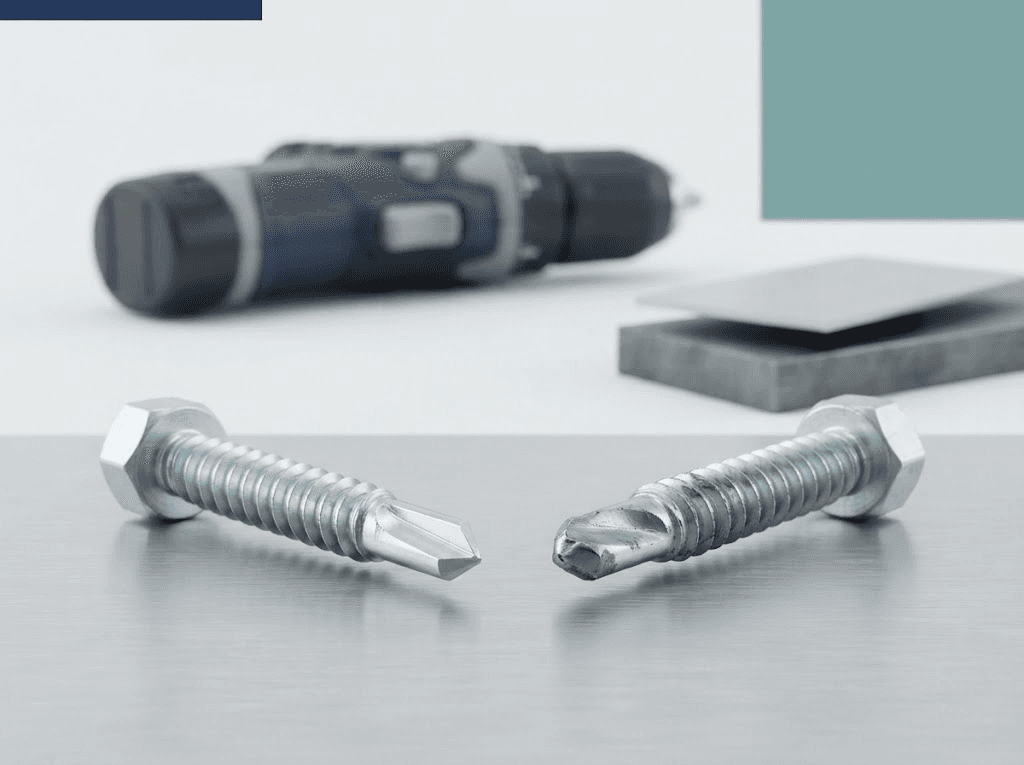
When a self-drilling screw spins against steel without making progress, the purchasing decision becomes urgent: should the installer change the tool settings, should the buyer order a different screw, or should the supplier investigate the batch?A useful diagnosis starts by identifying exactly where drilling stops. Record the material at that point, check the selected screw against the assembly, and then compare installation conditions. This approach gives buyers a clearer basis for deciding what to change and what evidence to request.
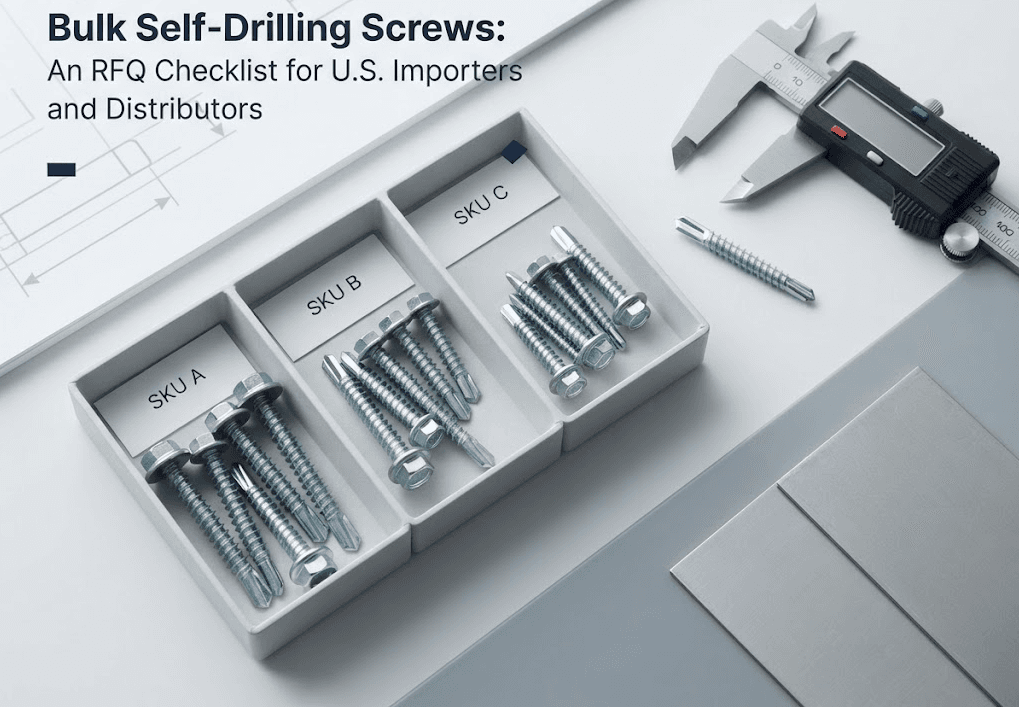
Bulk Self-Drilling Screws: An RFQ Checklist for U.S. Importers and Distributors
When sourcing bulk self-drilling screws, a unit price is only useful if you know exactly what it covers. Two quotations may appear to describe the same product while differing in dimensions, coating, packaging, or delivery conditions. For U.S. importers and distributors managing several SKUs, those differences can make supplier comparisons difficult. A clear request for quotation—an RFQ—helps suppliers understand your requirements and gives your purchasing team a consistent basis for reviewing their offers. This checklist explains what to include, which details need confirmation, and how to turn an initial inquiry into a specification that both buyer and supplier can review.
Want to know more?
Get in touch with us for more information about our services and products.