
Fastener News & Technical Insights
Industry trends, buyer know-how, and practical guidance for self-drilling screws, roofing fasteners, and related fastening systems.
Categories
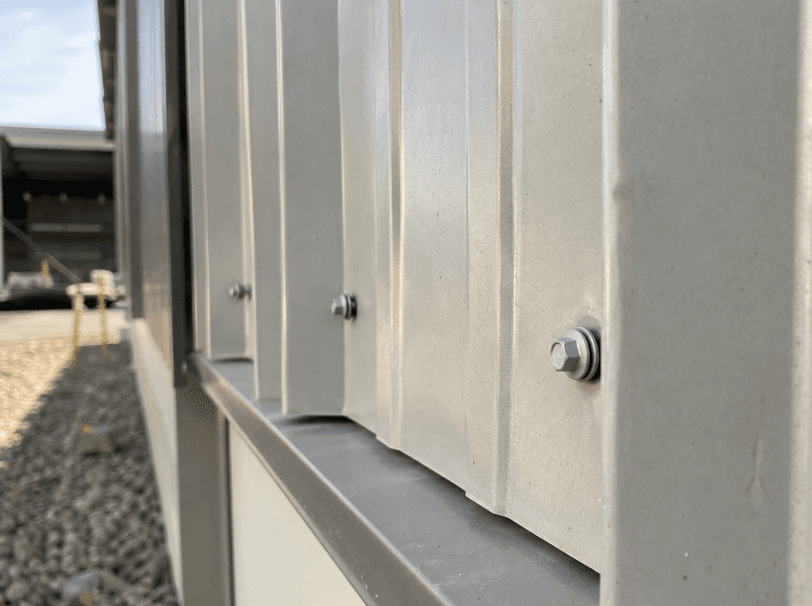
Fasteners Are More Than Just Hardware: 10 Key Factors for Choosing the Right Fastener
Fasteners are more than just hardware; they are crucial for keeping everything from buildings and cars to planes and machinery securely together. Choosing the right fastener is incredibly important because it greatly affects your project’s safety, effectiveness, and longevity. Each fastener has its own role and should be selected based on its use, environmental conditions, and the materials it holds together. Choosing the wrong fastener can lead to serious issues, including structural failures, increased downtime, and higher maintenance costs. ScrewTrade provides fastening solutions for industrial, structural, roofing, and sheet-metal applications. Here are some key factors to help you choose the best fastener for the job.
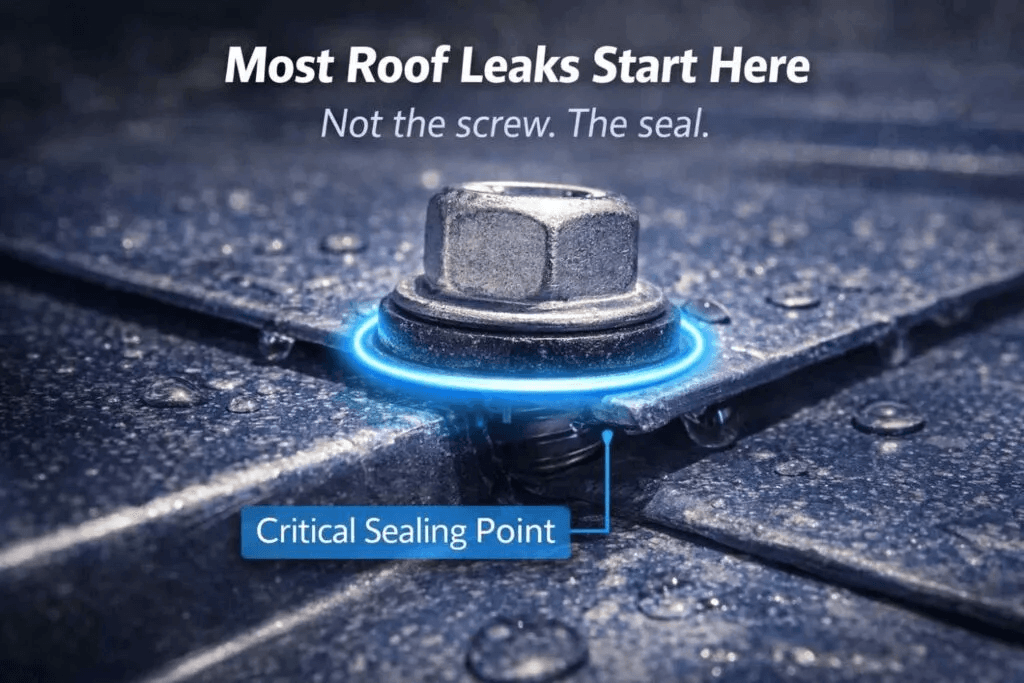
EPDM Washer in Roofing Screws: Why It Matters More Than You Think
In most roofing installations, the focus is usually on the screw — its length, diameter, or type. But one small component often gets overlooked: the EPDM washer.On-site, many roof leaks don’t happen because the screw failed. They happen because the sealing around the screw wasn’t effective.That sealing responsibility lies with the washer.Placed just below the screw head, the EPDM washer plays a critical role in preventing water from entering through fastener points. It also helps manage pressure, movement, and long-term exposure to weather conditions.Ignoring this small component can compromise the performance of the entire roofing system — even when everything else is installed correctly.
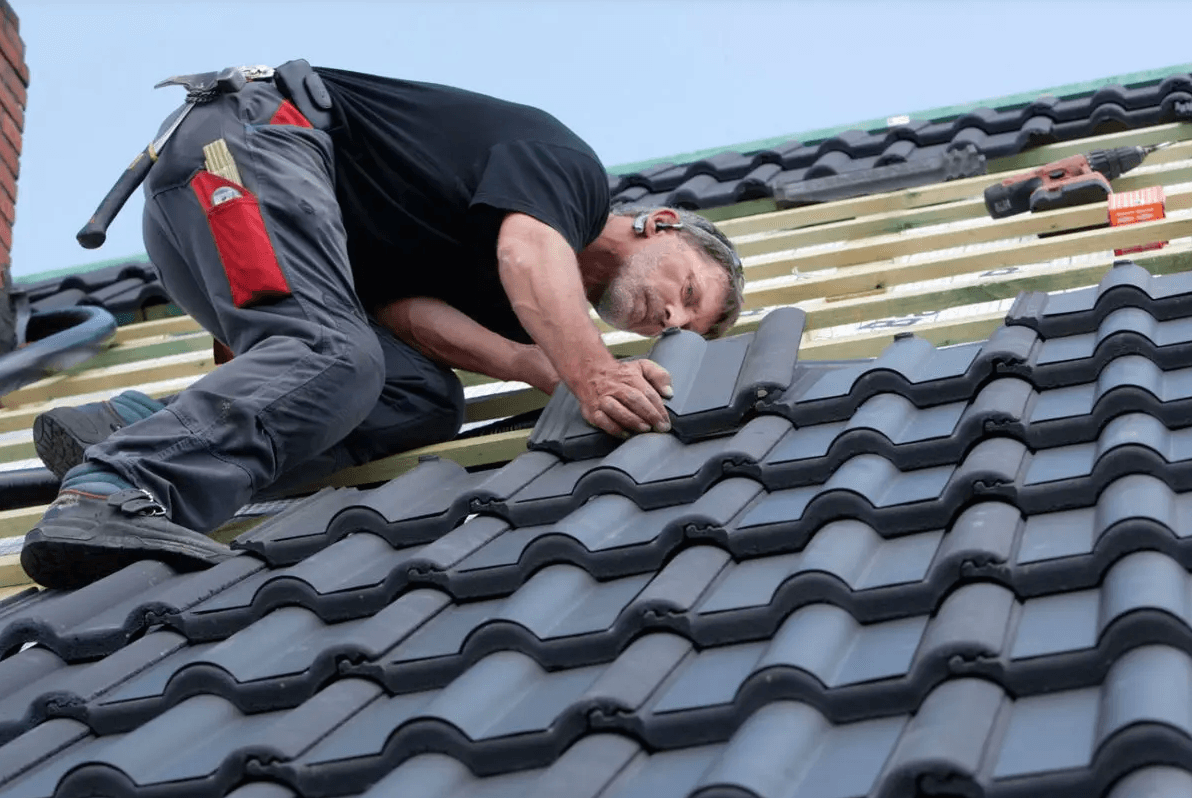
How modern roofing screws improve building safety, durability & installation efficiency
This article illustrates that although modern roofing screws are small fasteners, they directly determine the safety, durability and installation efficiency of building roofs. It covers fast installation enabled by self‑drilling design, high pull‑out resistance and clamping force, waterproof sealing washers, anti‑corrosion coatings, as well as product selection for different sheet materials, steel thicknesses and environmental conditions. It emphasizes that premium screws can withstand wind, rain, temperature fluctuations and long‑term outdoor corrosion, lowering risks of leakage, maintenance expenses and downtime costs. Finally, it points out that proper product selection and standardized installation are equally important, and high‑quality roofing fastening systems help achieve lower overall costs throughout the building’s entire life cycle.
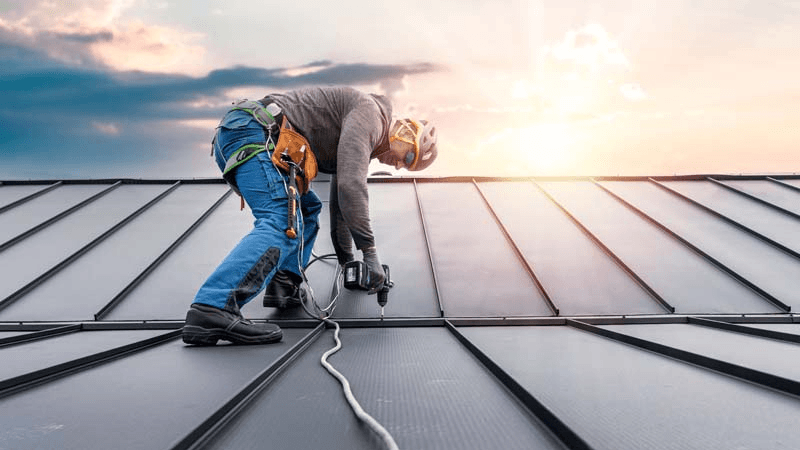
Metal Roofing Fasteners: Selection, Installation, and Performance
Fasteners are a small part of the components that go into any roofing project; however, ensuring that you have the right fastener is paramount. If you make a mistake it can mean that the roof doesn’t last long, fasteners have to be replaced before other components, or it may simply mean that the roof is not as aesthetically pleasing as it could be. Any of these outcomes are going to make your customer unhappy.
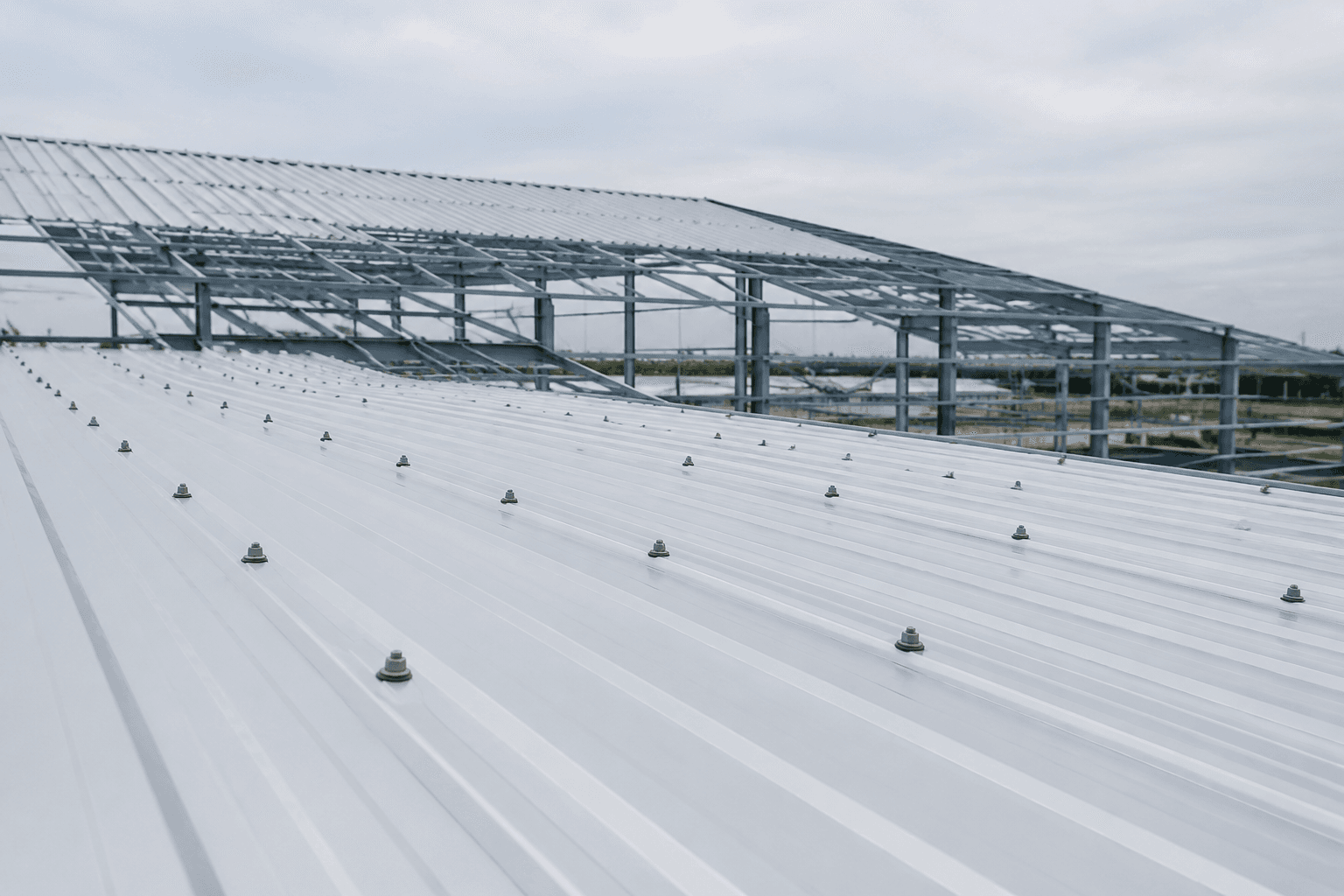
Self-Drilling Screw Drill Point Chart: Matching Screw Points to Steel Thickness
Choosing a self-drilling screw for a steel assembly requires more than selecting a diameter and length. The correct drill point must match the actual steel thickness, the connection design, the required thread engagement, and the installation method. A self-drilling screw performs two jobs in one operation: the drill point creates the hole, and the threads form and hold the connection. When the selected Tek screw does not match the target steel, installation may become slow or inconsistent. Common problems include overheating, damaged drill points, oversized holes, stripped threads, poor holding performance, and unnecessary tool wear.
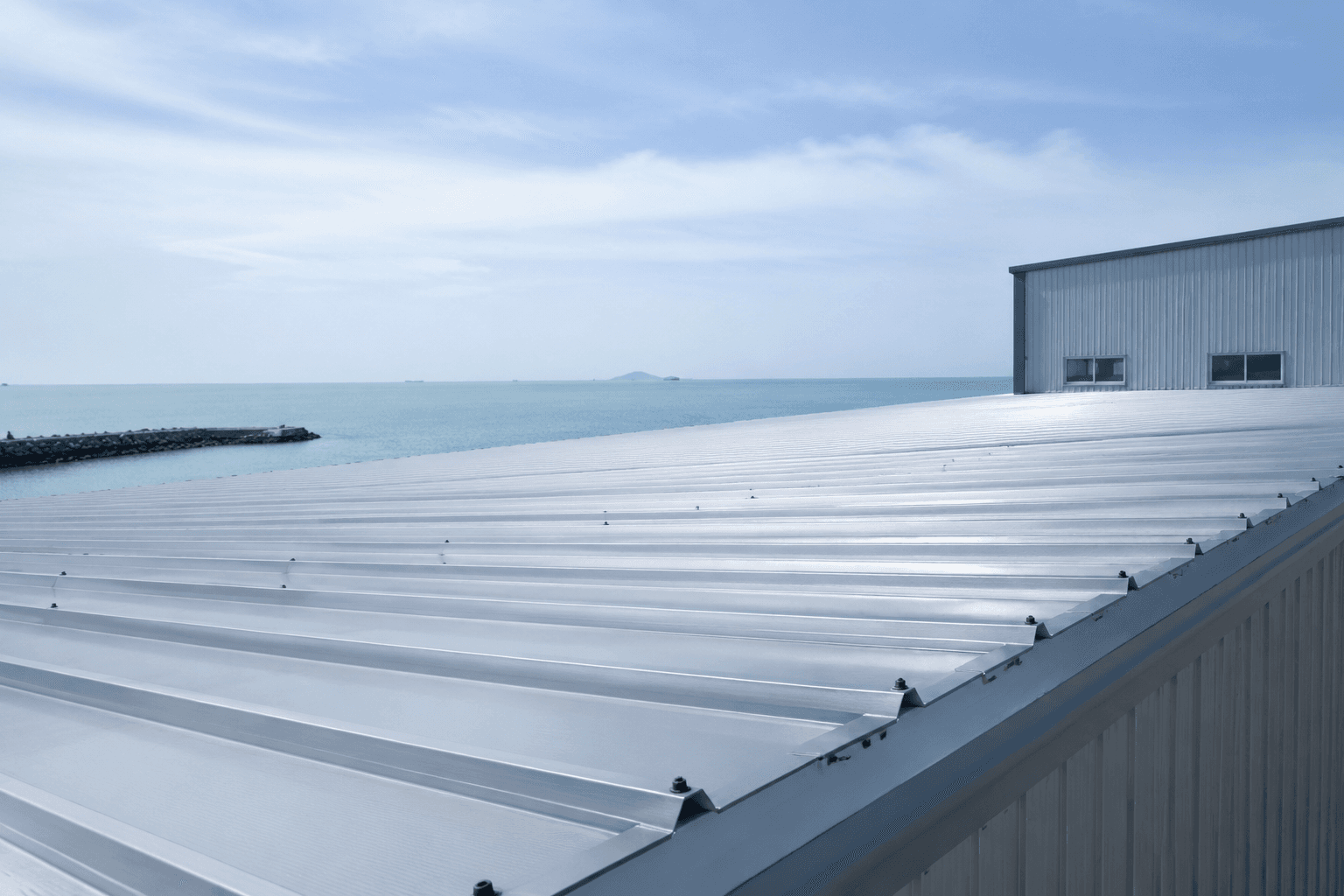
Metal Roofing Screw Selection: Length, Head Type, Washer, and Substrate
Selecting metal roofing screws is not simply a matter of choosing a diameter and placing an order. The correct fastener must match the roof panel profile, the substrate, the required thread engagement, the expected corrosion environment, and the sealing method at every penetration point.
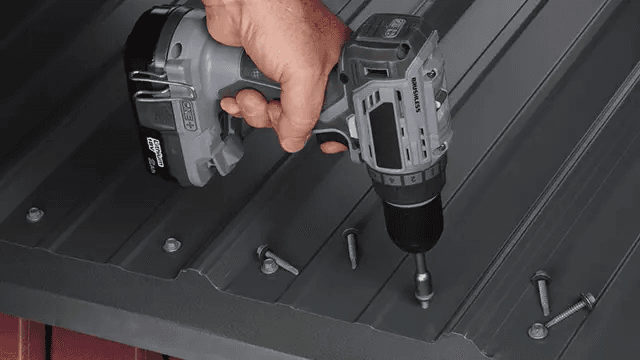
Self-tapping screws with EPDM washers: Maintain reliable fastening even under extreme environments
EPDM (Ethylene Propylene Diene Monomer) washers are made from a synthetic rubber that is highly resistant to UV rays, ozone, and extreme temperatures. Unlike standard rubber washers that crack or harden over time, EPDM maintains flexibility.This makes them well-suited for desert and coastal climates, where heat, sun, and sand exposure can quickly damage other materials. When paired with self-drilling screws, they create a tight seal that keeps moisture and dust out.
2026 Stainless Steel Screws Market: What B2B Buyers Should Know About Supply Stability and Performance
From a B2B sourcing perspective, this shift is not just about material choice—it’s about reducing long-term project risk. At Screwtrade, we see more buyers prioritizing corrosion resistance and lifecycle performance over short-term cost, especially in outdoor and infrastructure applications.
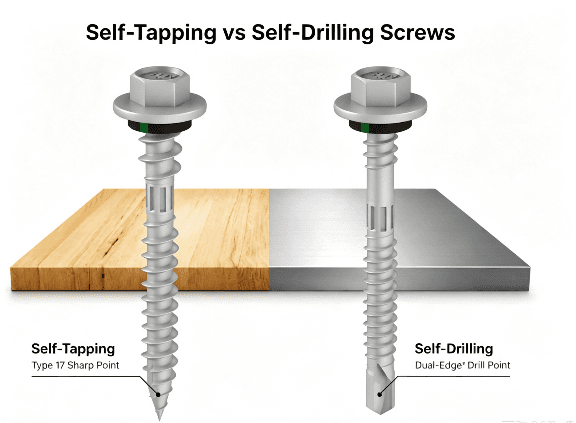
Self-Tapping vs. Self-Drilling Screws: What is the Real Difference?
In the commercial construction and metal building industries, the terms self-tapping screws and self-drilling screws are frequently used interchangeably. However, misinterpreting the technical difference between these two fasteners can result in damaged substrates, stripped screws, or costly onsite delays.