
Fastener News & Technical Insights
Industry trends, buyer know-how, and practical guidance for self-drilling screws, roofing fasteners, and related fastening systems.
Categories
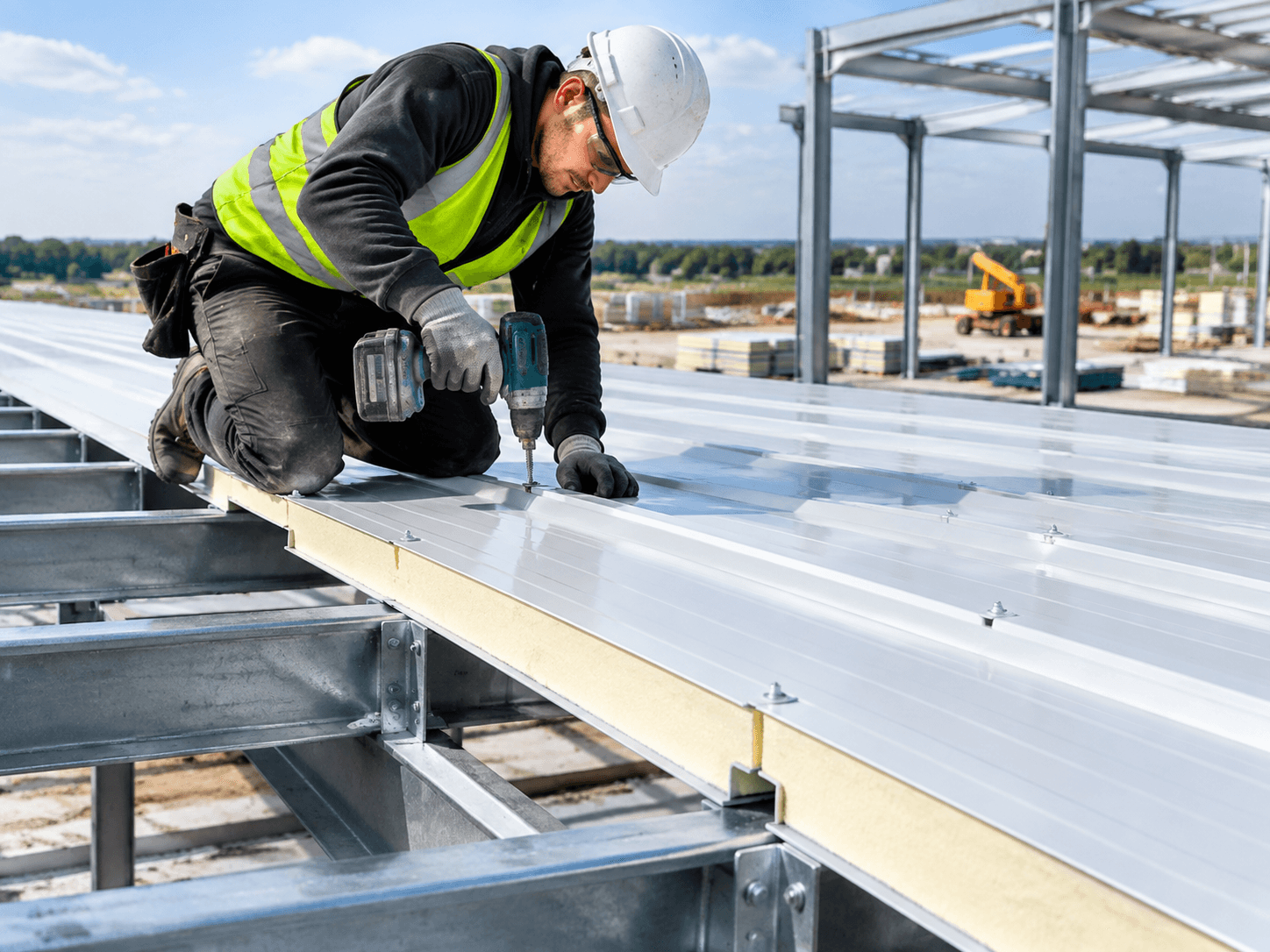
Sandwich Panel Screws: How to Select the Right Length, Drill Point, and Sealing Solution for Steel Structures
In sandwich panel roofing and wall systems, sandwich panel screws are more than simple fasteners. They must pass through the metal facing, insulation core, and inner panel, then secure reliably into steel purlins or another steel substrate. For this reason, screw length, self-drilling points, thread engagement, and EPDM sealing washers must be considered as one complete fastening solution.Selecting screws by diameter or price alone can lead to insufficient fixing strength, poor drilling efficiency, panel deformation, sealing failure, and water leakage. The correct selection process is to confirm the installation structure first, determine the required screw length, and then match the drill point, sealing washer, and corrosion-resistant finish.
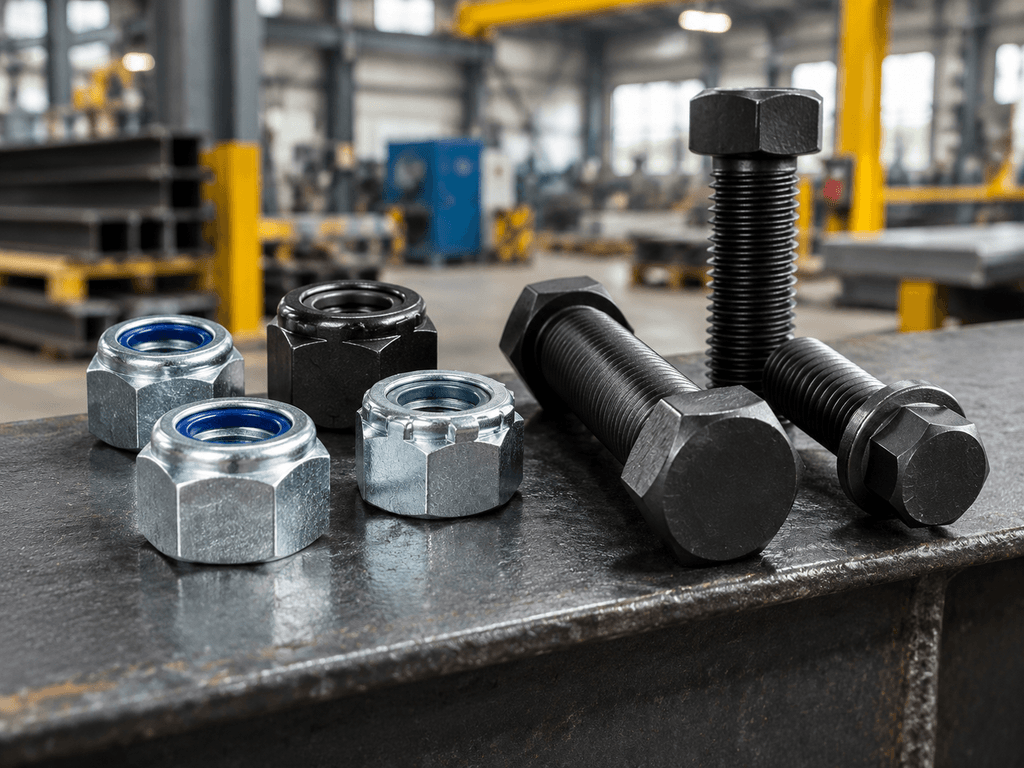
How Anti-Loosening Nuts Prevent Fastener Failure in Machinery and Steel Structures
In industrial manufacturing, energy facilities, logistics systems, construction machinery, and building installation, bolted connections remain one of the most common joining methods. They are easy to assemble, inspect, and replace. However, connection reliability does not depend on bolts and nuts alone. Installation torque, joint surface condition, operating loads, environmental corrosion, and maintenance practices can all affect long-term performance.
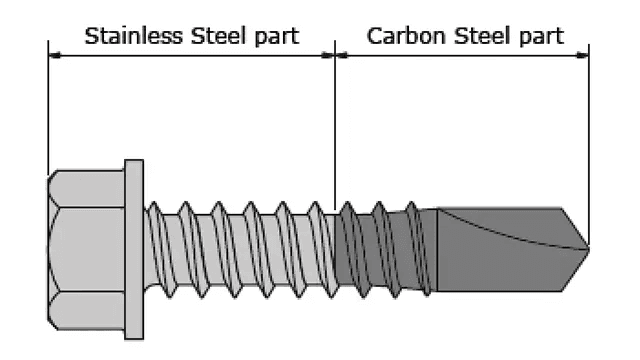
Bi-Metal Self-Drilling Screws: A Corrosion-Resistant Solution for Steel-to-Steel Fastening
As light-gauge steel structures, metal roofing, prefabricated buildings, steel cladding systems, and industrial equipment manufacturing continue to grow, steel-to-steel fastening has become more than simply joining two metal sheets. Installation speed, connection strength, outdoor durability, and lifetime maintenance costs all affect project quality. In humid, coastal, or high-temperature-variation environments, standard carbon steel fasteners can corrode prematurely, while conventional stainless steel screws may not provide the drilling performance needed for direct steel penetration. The industry is therefore moving beyond size and price alone toward more reliable fastening solutions. Bi-metal self-drilling screws combine a stainless steel body with a hardened carbon steel drill point, enabling efficient steel-to-steel fastening without pre-drilling while improving corrosion resistance.
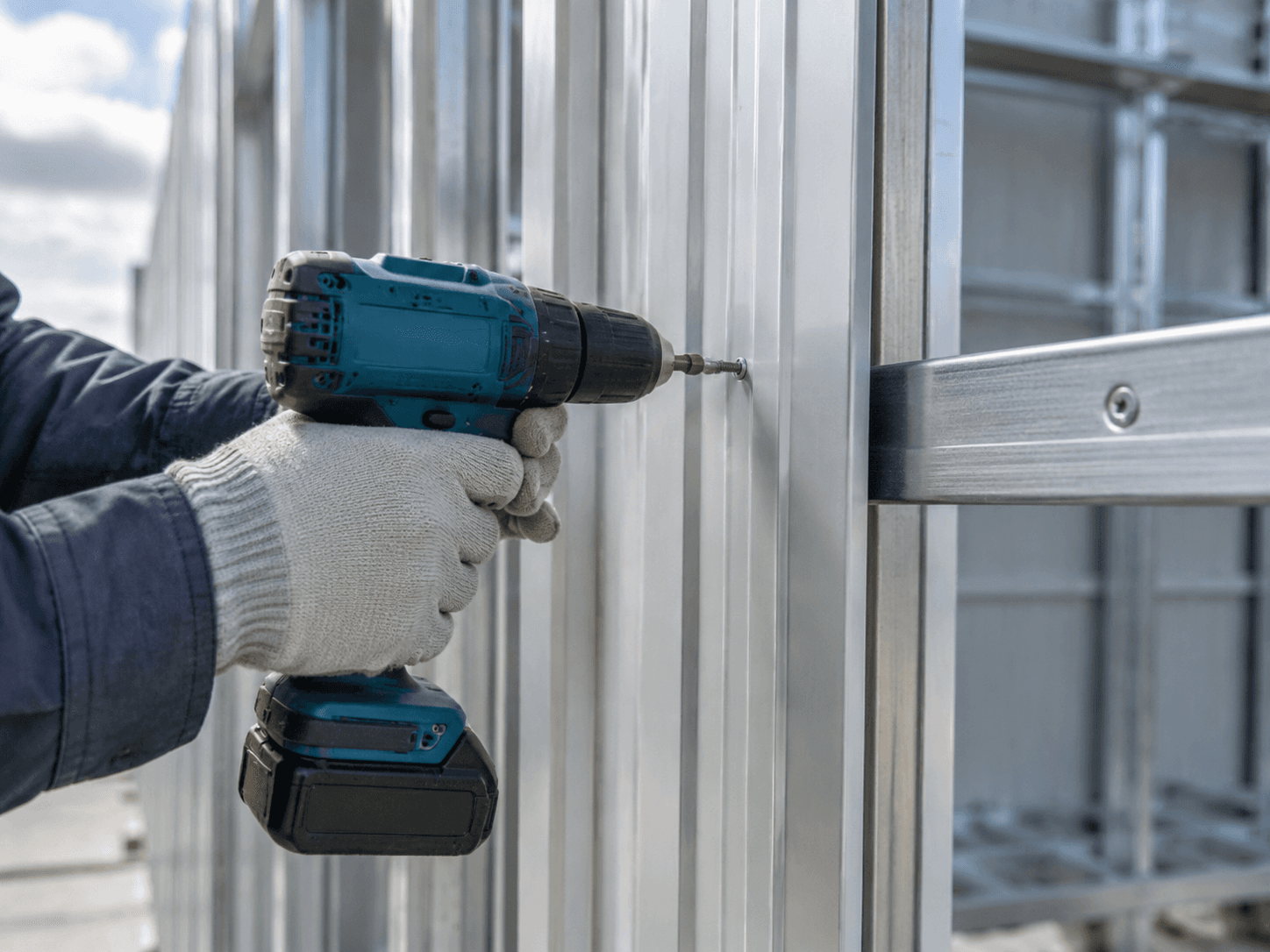
Sheet Metal Screws: Types, Specifications, and Material Selection Guide
Selecting sheet metal screws involves more than choosing a diameter and length. The correct fastener must match the substrate, total steel thickness, required thread engagement, installation method, corrosion conditions, and any sealing requirement.In roofing, cladding, light-gauge steel framing, and industrial assembly, an unsuitable screw can lead to slow installation, stripped threads, oversized holes, leakage, or poor holding performance. A reliable sheet metal screw selection starts with the complete assembly, not the visible panel alone. This guide explains how to select self-tapping screws, self-drilling screws, and Tek screws for practical metal fastening applications.
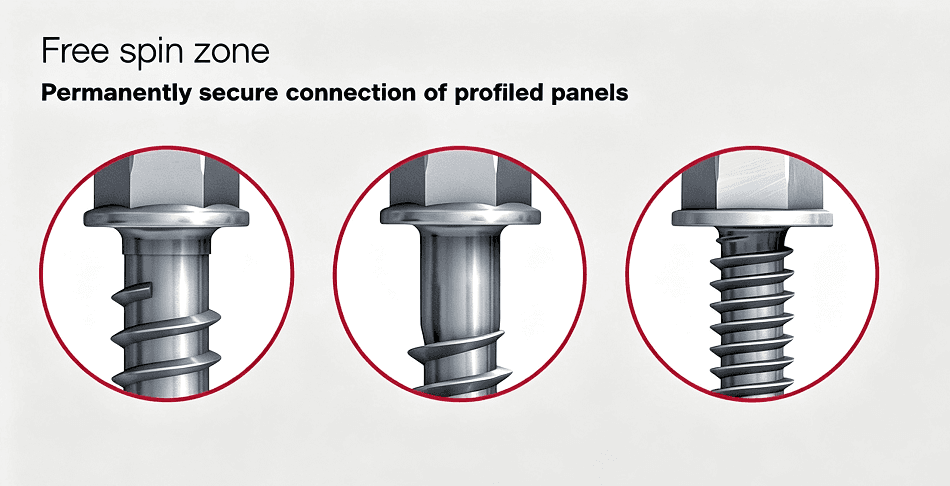
Types of Screws: Self-Tapping Screws Usage Guide
As light-gauge steel structures, metal roofing, prefabricated buildings, wall cladding systems, and industrial equipment assembly continue to grow, fasteners have become more than basic connection components. They directly affect installation efficiency, structural stability, waterproofing performance, and long-term maintenance costs. When selecting screws, buyers need to consider substrate type, material thickness, installation space, outdoor exposure, and required connection strength.The fastener market is also moving beyond decisions based only on size and price. Material, thread design, head style, coating, sealing performance, and installation efficiency all need to work together. ScrewTrade supplies fastening solutions for roofing, steel structures, cladding, and industrial projects, helping buyers match products to real applications.
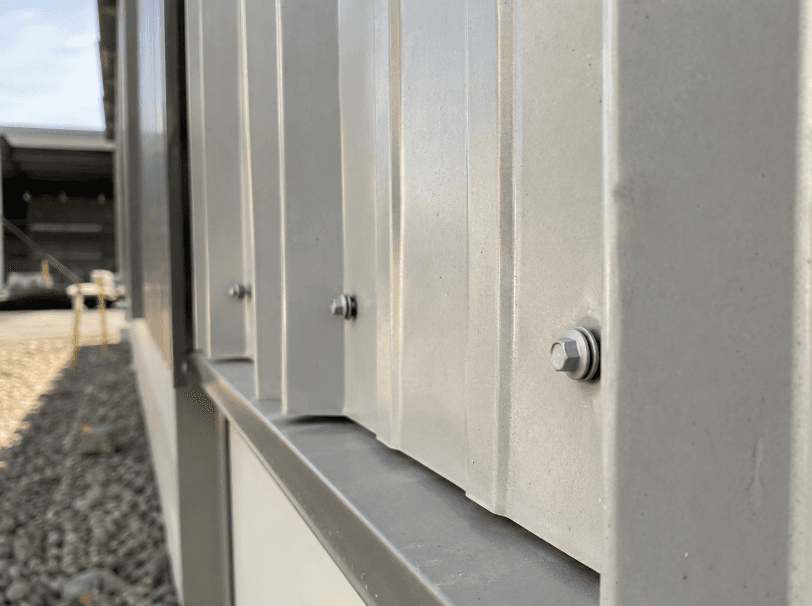
Fasteners Are More Than Just Hardware: 10 Key Factors for Choosing the Right Fastener
Fasteners are more than just hardware; they are crucial for keeping everything from buildings and cars to planes and machinery securely together. Choosing the right fastener is incredibly important because it greatly affects your project’s safety, effectiveness, and longevity. Each fastener has its own role and should be selected based on its use, environmental conditions, and the materials it holds together. Choosing the wrong fastener can lead to serious issues, including structural failures, increased downtime, and higher maintenance costs. ScrewTrade provides fastening solutions for industrial, structural, roofing, and sheet-metal applications. Here are some key factors to help you choose the best fastener for the job.
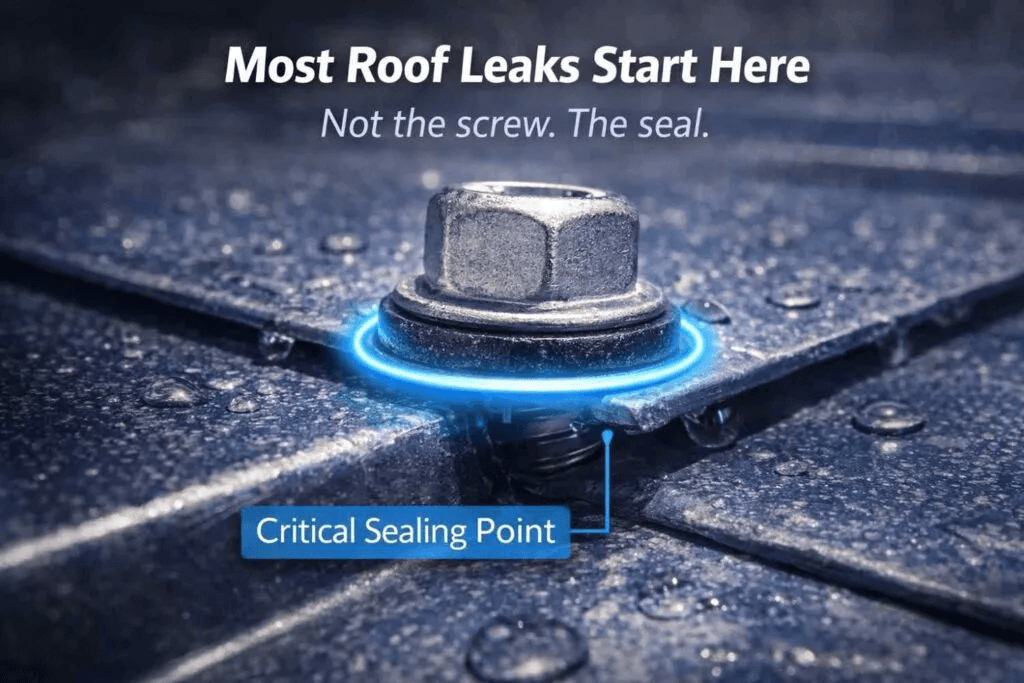
EPDM Washer in Roofing Screws: Why It Matters More Than You Think
In most roofing installations, the focus is usually on the screw — its length, diameter, or type. But one small component often gets overlooked: the EPDM washer.On-site, many roof leaks don’t happen because the screw failed. They happen because the sealing around the screw wasn’t effective.That sealing responsibility lies with the washer.Placed just below the screw head, the EPDM washer plays a critical role in preventing water from entering through fastener points. It also helps manage pressure, movement, and long-term exposure to weather conditions.Ignoring this small component can compromise the performance of the entire roofing system — even when everything else is installed correctly.
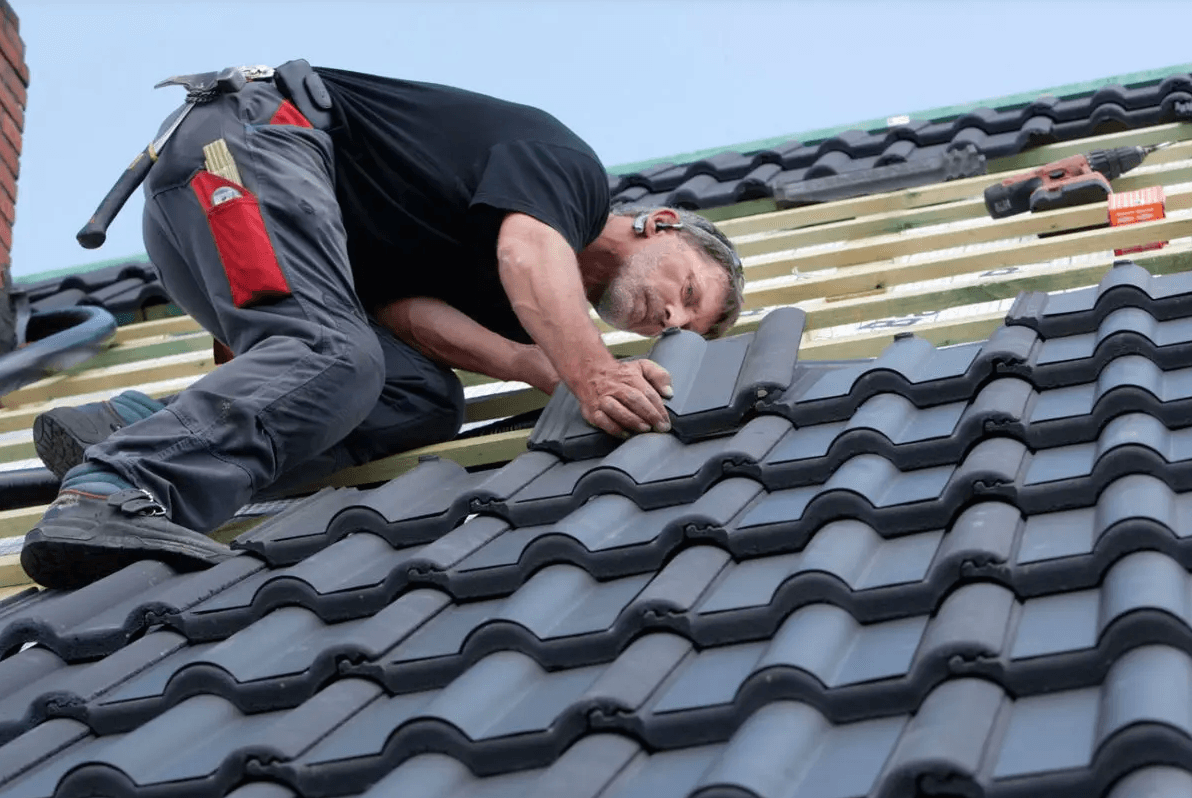
How modern roofing screws improve building safety, durability & installation efficiency
This article illustrates that although modern roofing screws are small fasteners, they directly determine the safety, durability and installation efficiency of building roofs. It covers fast installation enabled by self‑drilling design, high pull‑out resistance and clamping force, waterproof sealing washers, anti‑corrosion coatings, as well as product selection for different sheet materials, steel thicknesses and environmental conditions. It emphasizes that premium screws can withstand wind, rain, temperature fluctuations and long‑term outdoor corrosion, lowering risks of leakage, maintenance expenses and downtime costs. Finally, it points out that proper product selection and standardized installation are equally important, and high‑quality roofing fastening systems help achieve lower overall costs throughout the building’s entire life cycle.
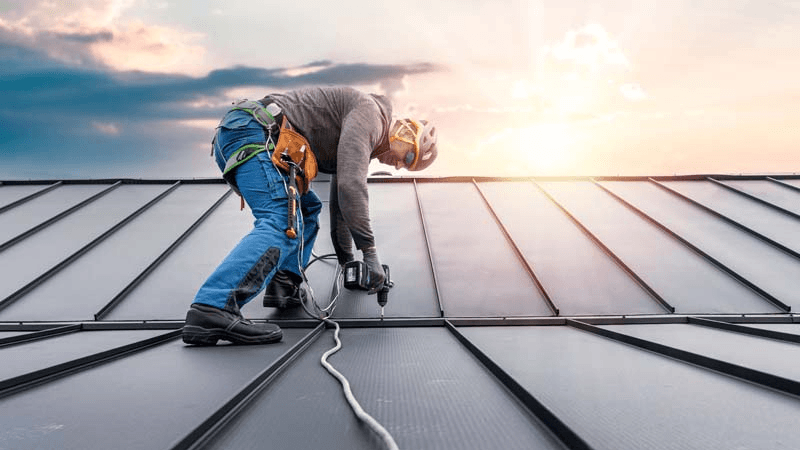
Metal Roofing Fasteners: Selection, Installation, and Performance
Fasteners are a small part of the components that go into any roofing project; however, ensuring that you have the right fastener is paramount. If you make a mistake it can mean that the roof doesn’t last long, fasteners have to be replaced before other components, or it may simply mean that the roof is not as aesthetically pleasing as it could be. Any of these outcomes are going to make your customer unhappy.