
Fastener News & Technical Insights
Industry trends, buyer know-how, and practical guidance for self-drilling screws, roofing fasteners, and related fastening systems.
Categories
How to Choose the Right Fastener Material for Different Working Environments?
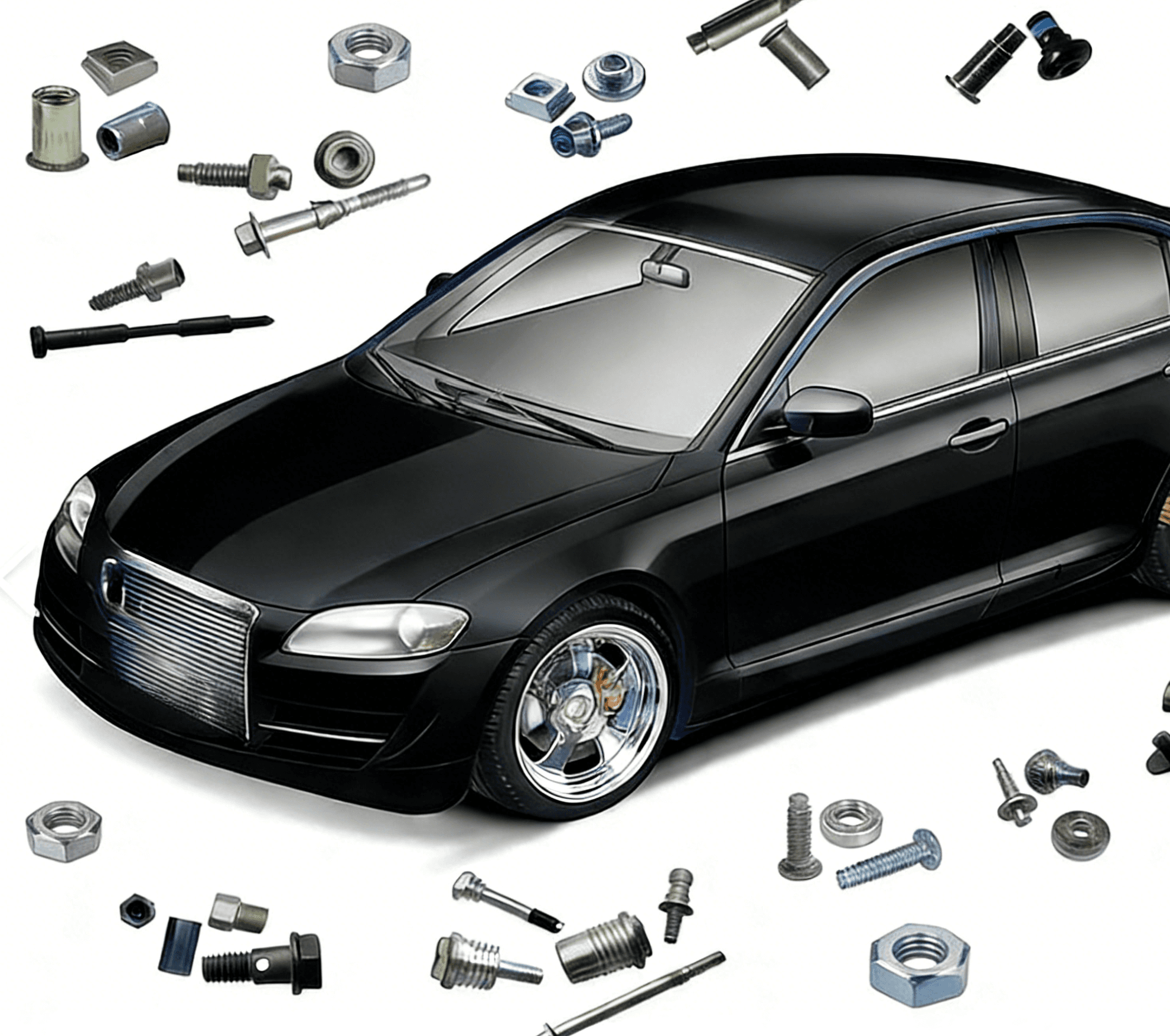
Most people tend to underestimate fasteners, as they look small and unremarkable at first glance. In reality, every screw, bolt and nut acts as a critical support part for all types of machinery and industrial devices. The quality of chosen metal material directly affects three core indicators of finished equipment: safety performance, running stability and total usable lifespan. Many purchasers only compare thread sizes, head styles and product prices when ordering fasteners, yet they overlook the huge impact brought by raw material differences.
What is self tapping screw?
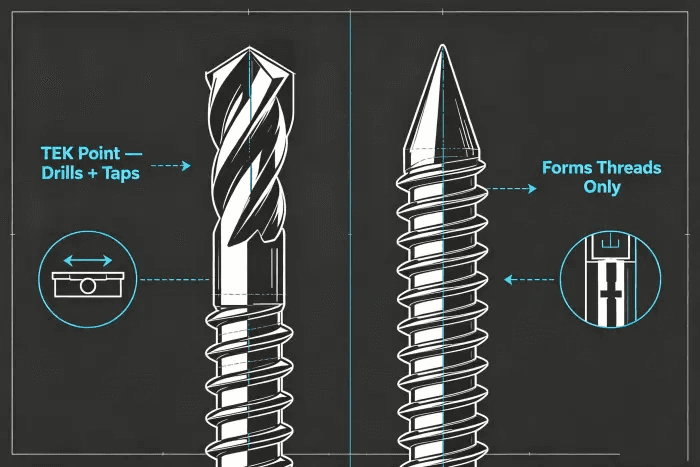
Different from ordinary machine screws, self-tapping screws are designed with a tapered thread-forming point that cuts or deforms mating threads in a pre-drilled pilot hole. During installation, the screw is driven into a pre-drilled pilot hole and forms mating threads by displacing or cutting the surrounding material, locking the connection tightly in one step, locking the connection tightly in one step. This unique working principle effectively shortens construction cycles and reduces manual operation errors. Whether for large-scale engineering projects or small batch product assembly, self-tapping screws can significantly improve overall working efficiency, which is why they are widely adopted across various industries worldwide.
Best Industrial Fastener Manufacturer in China
In 2026, driven by the sustained development of the global construction, steel structure, metal roofing, machinery manufacturing and industrial assembly sectors, market demand for industrial fasteners continues to rise. A growing number of importers, wholesalers, engineering contractors and building material distributors are searching for fastener manufacturers in China that can deliver consistent quality at competitive prices.
Corrosion-Resistant Fasteners Gain Momentum as Global Construction and Metal Roofing Projects Demand Longer Service Life
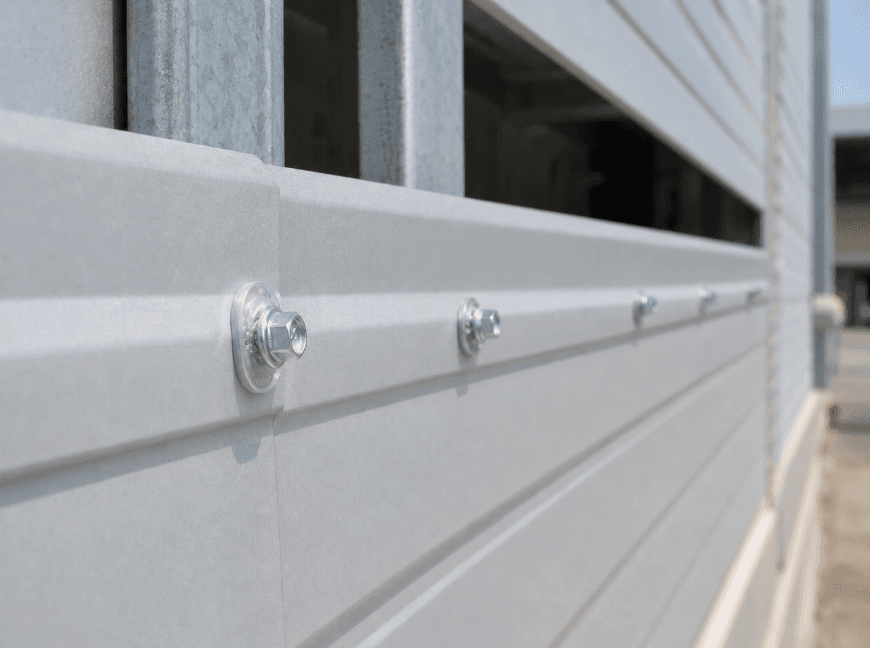
As global construction, industrial roofing, and steel structure projects continue to expand, buyers are paying closer attention to the long-term performance of fasteners exposed to humidity, temperature changes, and outdoor environments. Corrosion-resistant fasteners are moving from a “nice-to-have” option to a core specification in B2B procurement. For distributors, contractors, and project owners, the focus is no longer only on unit price, but also on service life, installation reliability, maintenance cost, and supply consistency.
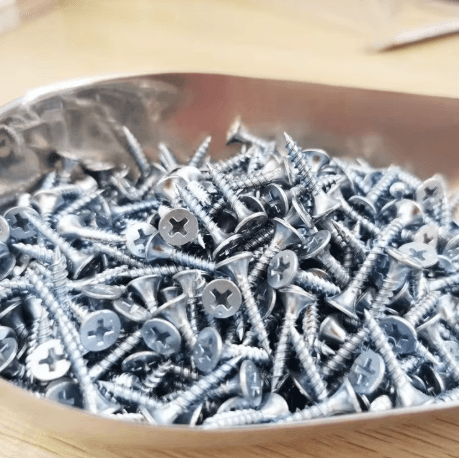
How Industrial Buyers Can Choose the Right Fasteners for Harsh Working Environments
As industrial projects move into more demanding environments, fastener selection is becoming a critical part of procurement decision-making. Buyers are no longer comparing fasteners only by size, material, and unit price. In harsh working environments, factors such as corrosion resistance, vibration stability, load performance, installation efficiency, and long-term maintenance cost can directly affect project reliability. For industrial buyers, choosing the right fastener means understanding the real working conditions before confirming specifications and supplier selection.
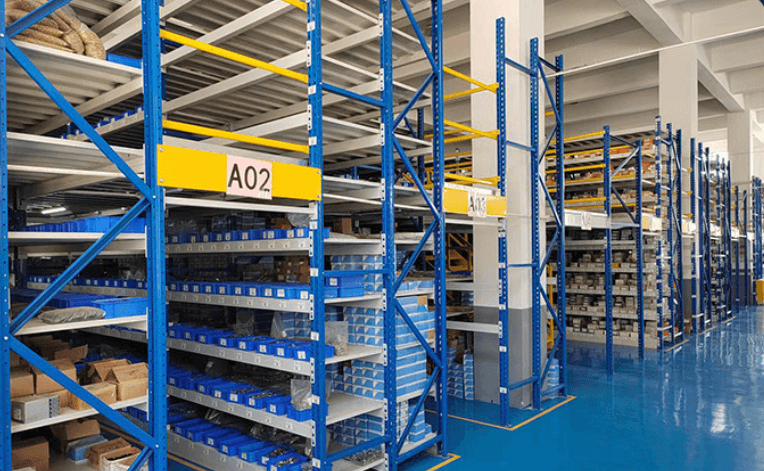
A Practical Guide to Selecting Fasteners for Machinery, Steel Structures, and Equipment Assembly
Industrial fastener purchasing is becoming more application-driven. Buyers are no longer choosing screws, bolts, nuts, or anchors only by size and unit price; they are comparing load requirements, installation efficiency, vibration risk, corrosion exposure, surface finish, and long-term maintenance cost. For machinery, steel structures, and equipment assembly projects, the right fastener selection can directly affect production stability, installation speed, safety performance, and after-sales reliability.
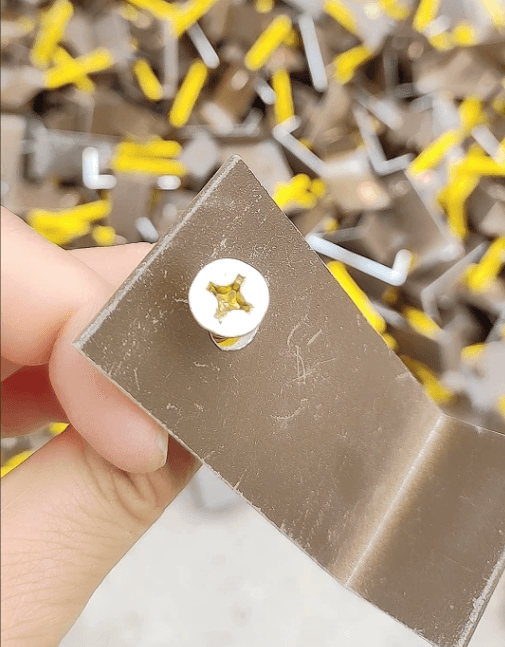
The Hidden Cost of Cheap Fasteners: Why Quality Roofing Bolts Are Non-Negotiable for Long-Term Project ROI
In commercial and industrial roofing, fasteners are often treated as a commodity — a low-cost line item to be minimized during procurement. However, industry data and field experience consistently show that cutting corners on roofing bolts leads to far greater expenses down the line: premature corrosion, structural leaks, warranty claims, and costly retrofits. This article examines the real total cost of ownership (TCO) for roofing fasteners, explains how substandard products fail in service, and outlines why investing in premium-grade bolts — particularly those with advanced anti-corrosion coatings — delivers superior long-term ROI for contractors, building owners, and engineering firms alike
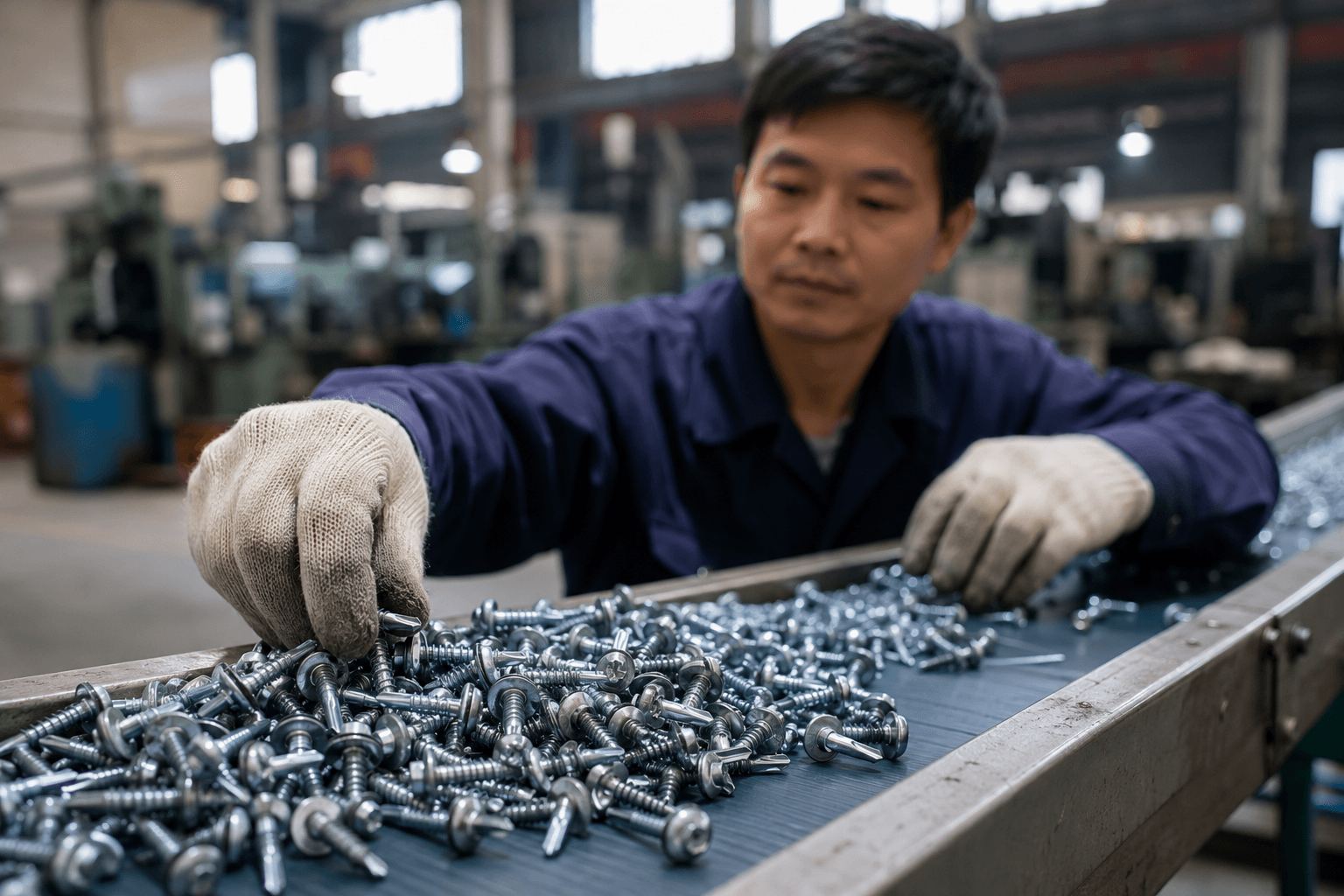
Strategic B2B Fastener Sourcing: Mitigating Supply Chain Risks, Ensuring ISO Compliance, and Boosting ROI
Mitigate supply chain risks and boost ROI with strategic self-drilling screw sourcing. Discover ISO compliance, coating selection, and supplier vetting for consistent quality. Request a quote.
Fasteners Enter the Anti-Corrosion Race as Coastal Construction and Metal Roofing Demand Surge
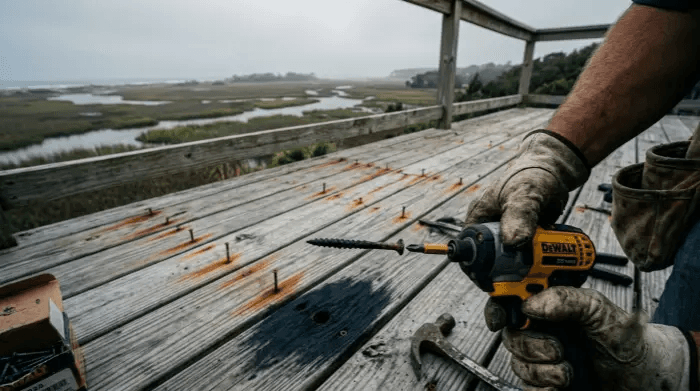
As coastal industrial buildings, warehouses, agricultural sheds, and metal roofing projects continue to increase, competition in the fastener industry is shifting from “price and delivery time” to “corrosion resistance, sealing stability, and long-term installation reliability.” In environments exposed to salt spray, humidity, temperature changes, and strong winds, ordinary fasteners are more likely to suffer from rust, loosening, and water leakage. For contractors and B2B buyers, choosing the right self-drilling screws, EPDM washers, and high-corrosion-resistant coatings is becoming an important step in reducing maintenance costs and project risks.