
Fastener News & Technical Insights
Industry trends, buyer know-how, and practical guidance for self-drilling screws, roofing fasteners, and related fastening systems.
Categories
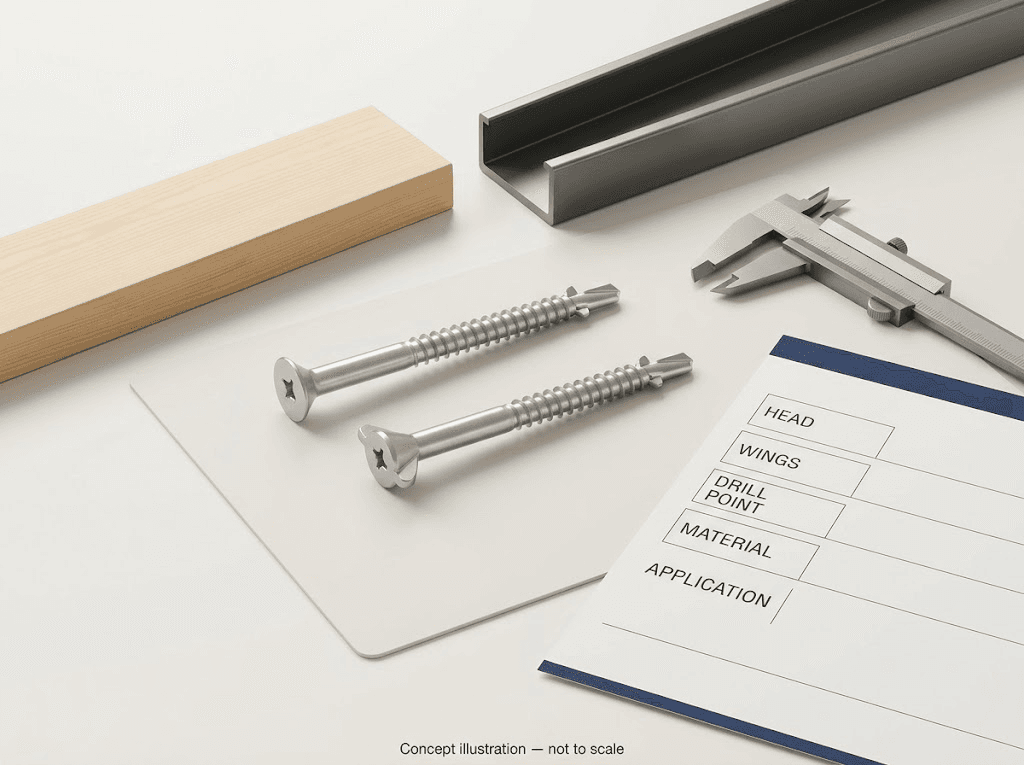
Winged Self-Drilling Screws for Wood-to-Steel: When Do You Need Them?
A screw can pass through a timber board and drill into steel without producing the connection you intended. If the threads engage the timber before the steel has been drilled and tapped, the board may not pull down tightly against the frame. Choosing another screw with the same diameter and a longer body does not necessarily address that problem.Winged self-drilling screws are one option for suitable wood-to-steel connections. Their wings create clearance through the timber before the screw engages the steel. The buying decision is whether that clearance is appropriate for your assembly—and whether the particular fastener is designed for the materials and thicknesses involved.

Self-Tapping Screws for Metal: A Pilot-Hole and Trial-Assembly Checklist
A self-tapping screw for metal is not fully specified by its diameter and length. Before placing a production order, the buyer needs to know whether the proposed screw, prepared hole, sheet material, and installation process work together.That becomes especially important when a sample is difficult to drive, a screw spins before the parts are clamped, or two suppliers recommend different pilot-hole sizes. The next step is to establish what each recommendation assumes and test the proposed combination under agreed conditions.This checklist helps purchasing, engineering, and quality teams prepare the application details, compare supplier recommendations, and record a trial assembly before approving bulk supply.

How to Compare Self-Drilling Screw Suppliers for Bulk Construction Orders
You have sent the same screw requirements to multiple suppliers, but received different prices, packaging details, and delivery dates. Which quotation should you accept?For construction orders, compare each quotation with the connection requirements and the date when the screws must arrive at the construction site. A useful comparison should answer three questions: Are the referenced products applicable to the same application? What is included in each price? Can the supplier meet the agreed delivery and subsequent requirements?
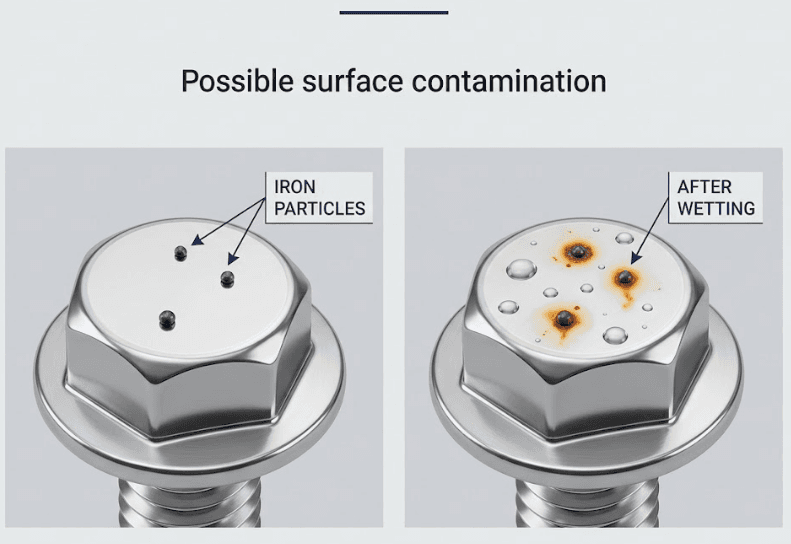
Why Are Stainless Steel Self-Drilling Screws Still Rusting? A Guide for Buyers
You have specified stainless steel self drilling screws to avoid corrosion complaints. Now, there are brown marks, stained washers, or rusty drill tips around the drill bit. Should you reject the batch, replace the materials, or review what happened during the installation process? Firstly, determine the cause and location of corrosion. Stainless steel can produce surface stains or more severe corrosion, while iron contamination can also leave rust on the surface of stainless steel. Merely relying on appearance cannot determine the cause.
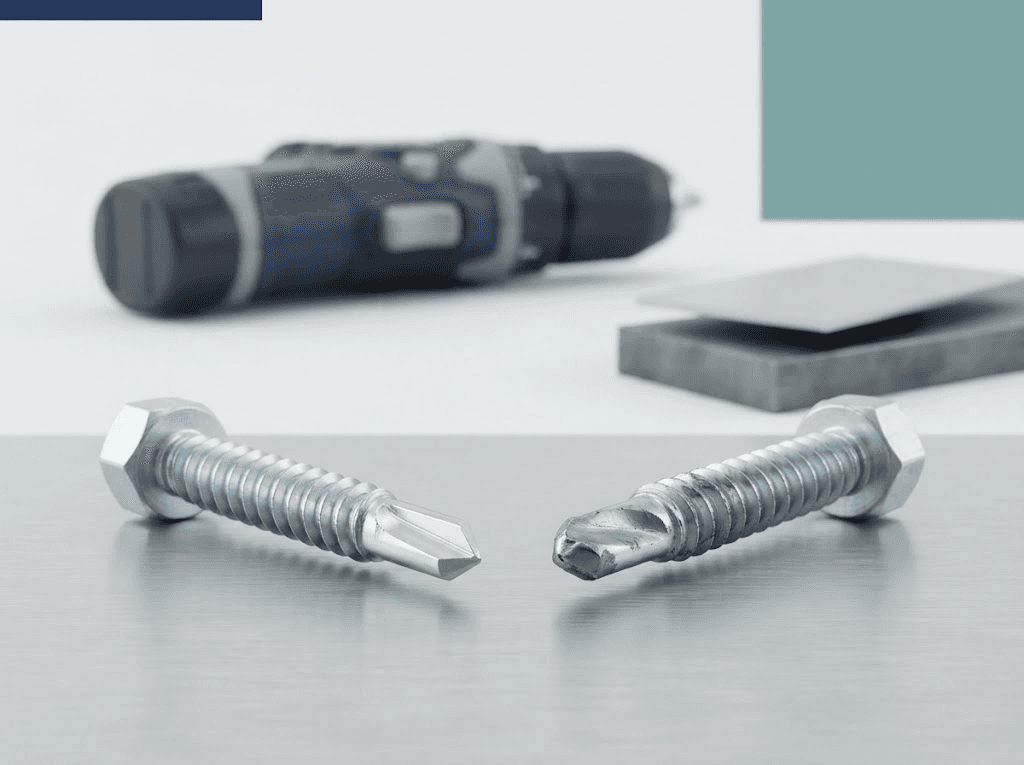
Why Self-Drilling Screws Fail to Drill: A Substrate and Installation Checklist
When a self-drilling screw spins against steel without making progress, the purchasing decision becomes urgent: should the installer change the tool settings, should the buyer order a different screw, or should the supplier investigate the batch?A useful diagnosis starts by identifying exactly where drilling stops. Record the material at that point, check the selected screw against the assembly, and then compare installation conditions. This approach gives buyers a clearer basis for deciding what to change and what evidence to request.
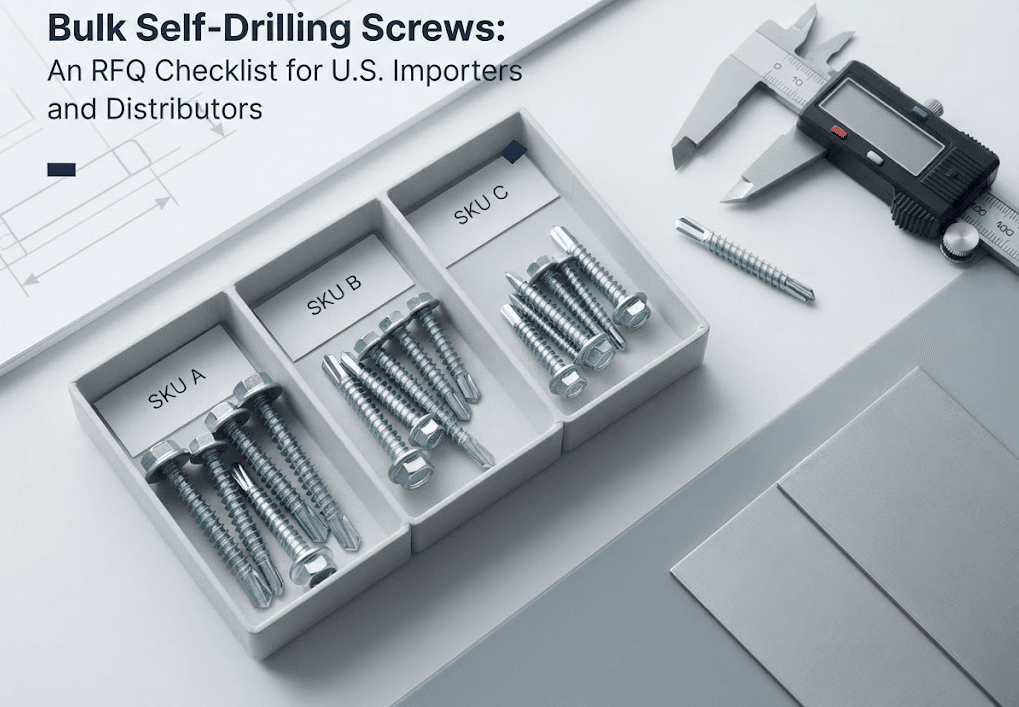
Bulk Self-Drilling Screws: An RFQ Checklist for U.S. Importers and Distributors
When sourcing bulk self-drilling screws, a unit price is only useful if you know exactly what it covers. Two quotations may appear to describe the same product while differing in dimensions, coating, packaging, or delivery conditions. For U.S. importers and distributors managing several SKUs, those differences can make supplier comparisons difficult. A clear request for quotation—an RFQ—helps suppliers understand your requirements and gives your purchasing team a consistent basis for reviewing their offers. This checklist explains what to include, which details need confirmation, and how to turn an initial inquiry into a specification that both buyer and supplier can review.
How to Securely Install Solar Panels on Metal Roofs While Preventing Roof Leaks
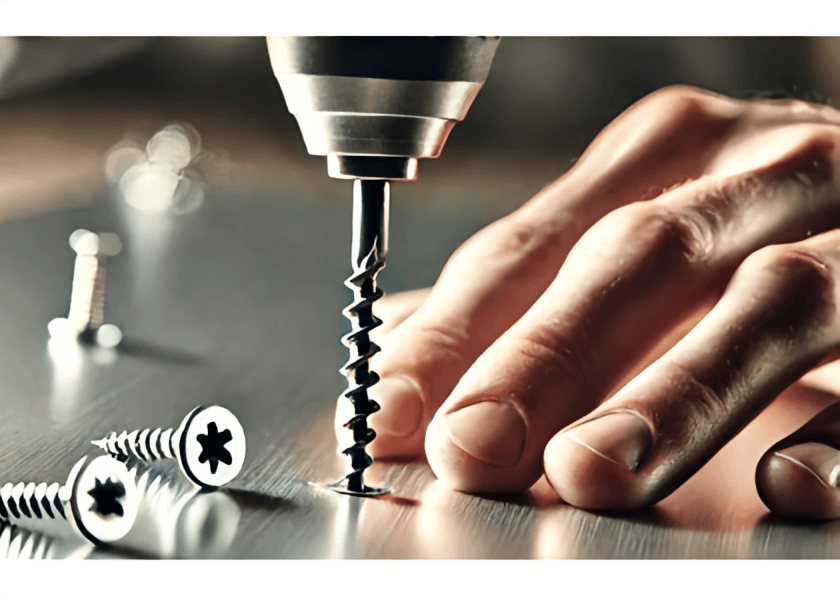
The global solar PV industry is growing rapidly. In 2025, global solar PV additions reached a record 510 GW. Distributed solar is expected to account for 42% of total global PV capacity additions from 2025 to 2030. As more commercial and industrial buildings install rooftop solar systems, the role of industrial fasteners is no longer limited to holding components in place; they must also meet requirements for structural load-bearing capacity, environmental durability, and roof waterproofing. This is driving the industry away from selecting individual fasteners in isolation and toward more application-specific integrated fastening systems that consider connection strength, material durability, installation quality, and roof integrity together.
Fastener Specifications Explained: How Types, Materials, Strength, and Coatings Affect Performance
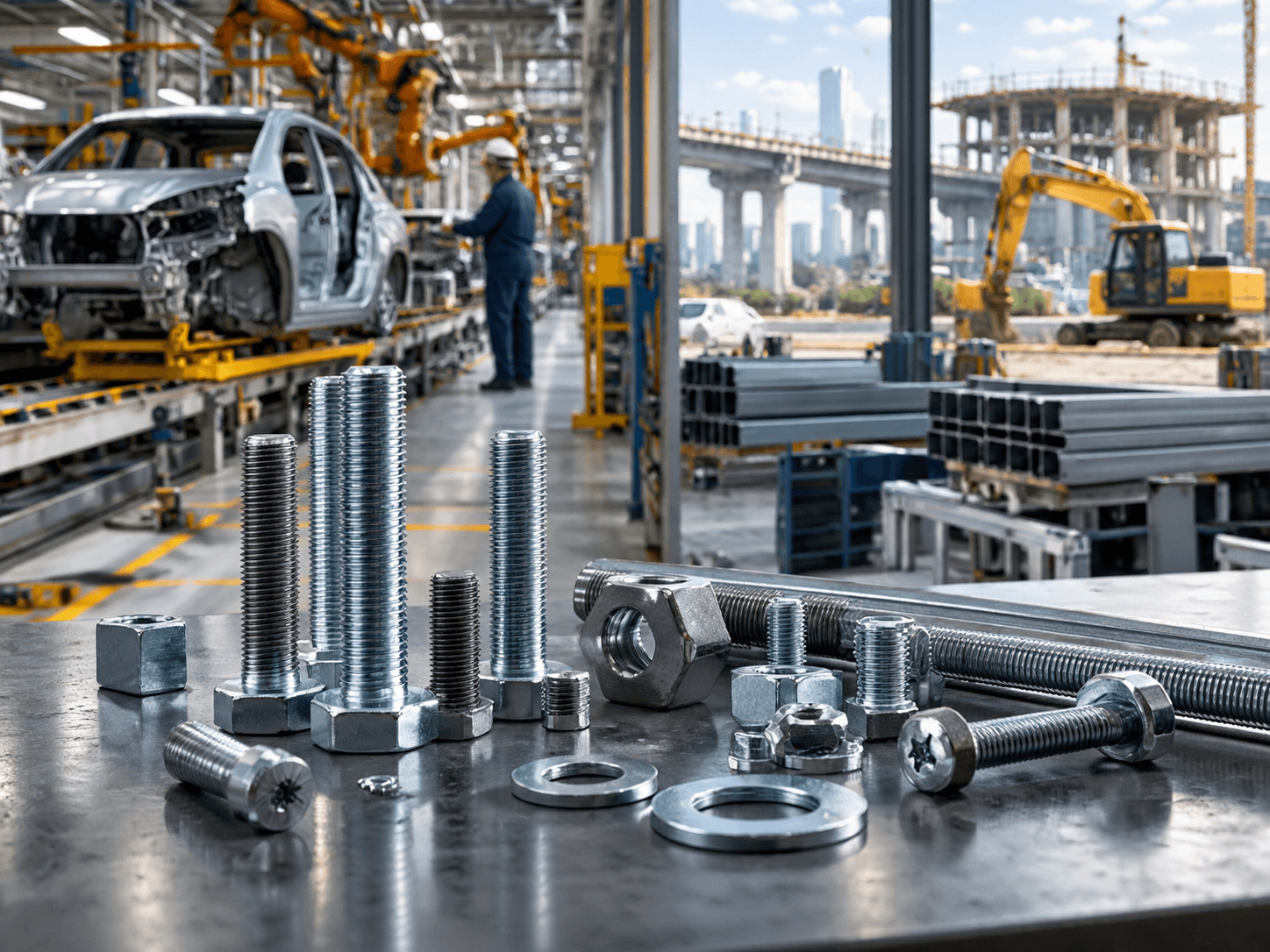
Fasteners are essential components in manufacturing and construction. Their quality and delivery performance affect industries ranging from automotive and machinery to building and infrastructure. As downstream applications place greater demands on reliability, corrosion resistance, and supply stability, industry priorities are extending beyond price and output to include specification management, quality control, surface treatment, and supply chain coordination. Recent industry discussions have also emphasized that outsourced coating and sorting can affect product quality and lead times, while efficient manufacturing, recyclable materials, and lightweight design have become areas of industry innovation. As a result, fastener types, materials, strength, and coatings are no longer isolated parameters; together, they influence manufacturing consistency, connection reliability, and performance in service.
2026 Fastener Industry Trends: What Is the Fastener Market Focusing on, and How Is Fastener Selection Changing?
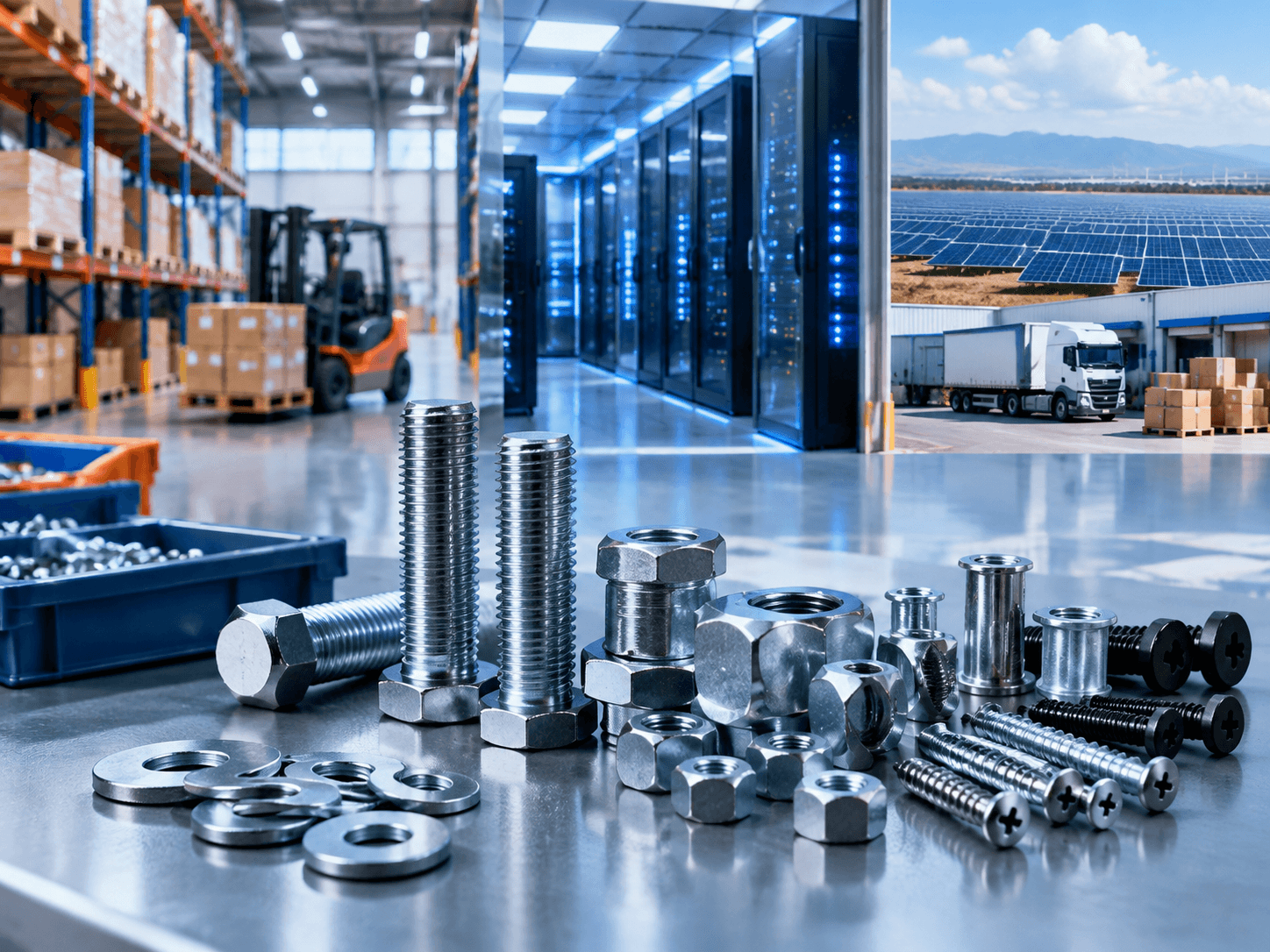
In 2026, the fastener industry is focusing not only on product prices and specifications, but also on demand shifts, supply lead times, connection reliability, and quality verification. Market data has a defined geographic and sample scope: the North American distributor survey cited below should not be treated as a picture of the entire global market, and the solar research focuses on utility-scale PV structures rather than every application.