
Fastener News & Technical Insights
Industry trends, buyer know-how, and practical guidance for self-drilling screws, roofing fasteners, and related fastening systems.
Categories
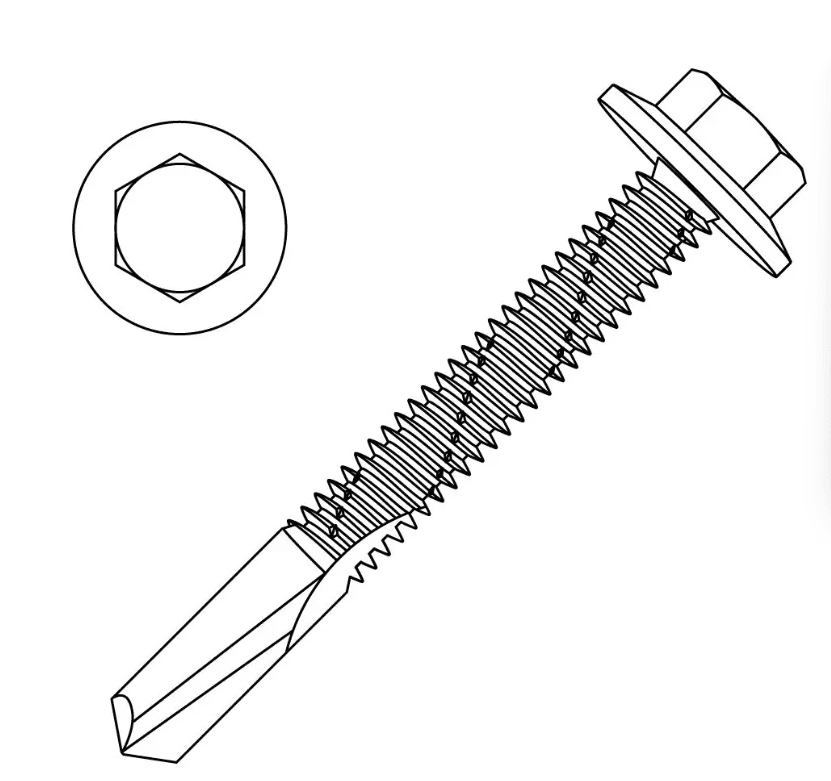
Ruspert, Dacromet, and Zinc Plating: How to Choose Corrosion-Resistant Coatings for Self-Drilling Screws
As metal roofing fasteners, steel structure buildings, prefabricated construction, and industrial equipment continue to develop, self-drilling screws are no longer viewed as ordinary connection components. They must withstand moisture, condensation, salt spray corrosion, industrial pollutants, and long-term temperature changes. Once screws begin to corrode, lose sealing performance, or weaken at the joint, the result can be leakage, rework, higher maintenance costs, and even project-quality disputes.
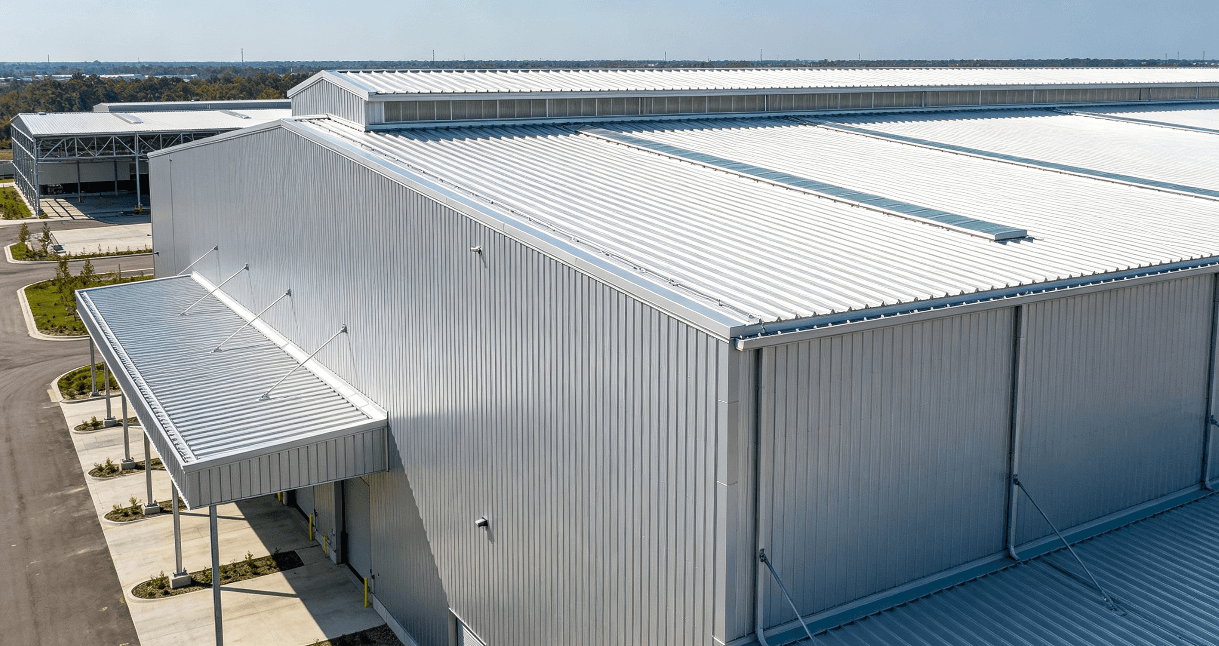
Side Lap Screws vs. Stitching Screws: Selection, Installation, and Durability Management for Metal Roofing and Wall Cladding Systems
As industrial plants, warehouses, commercial buildings, and prefabricated buildings continue to use metal roofing and wall cladding systems, project priorities are moving beyond installation speed alone. Buyers, contractors, and building owners increasingly consider delivery quality, service life, maintenance cost, and long-term performance risk.
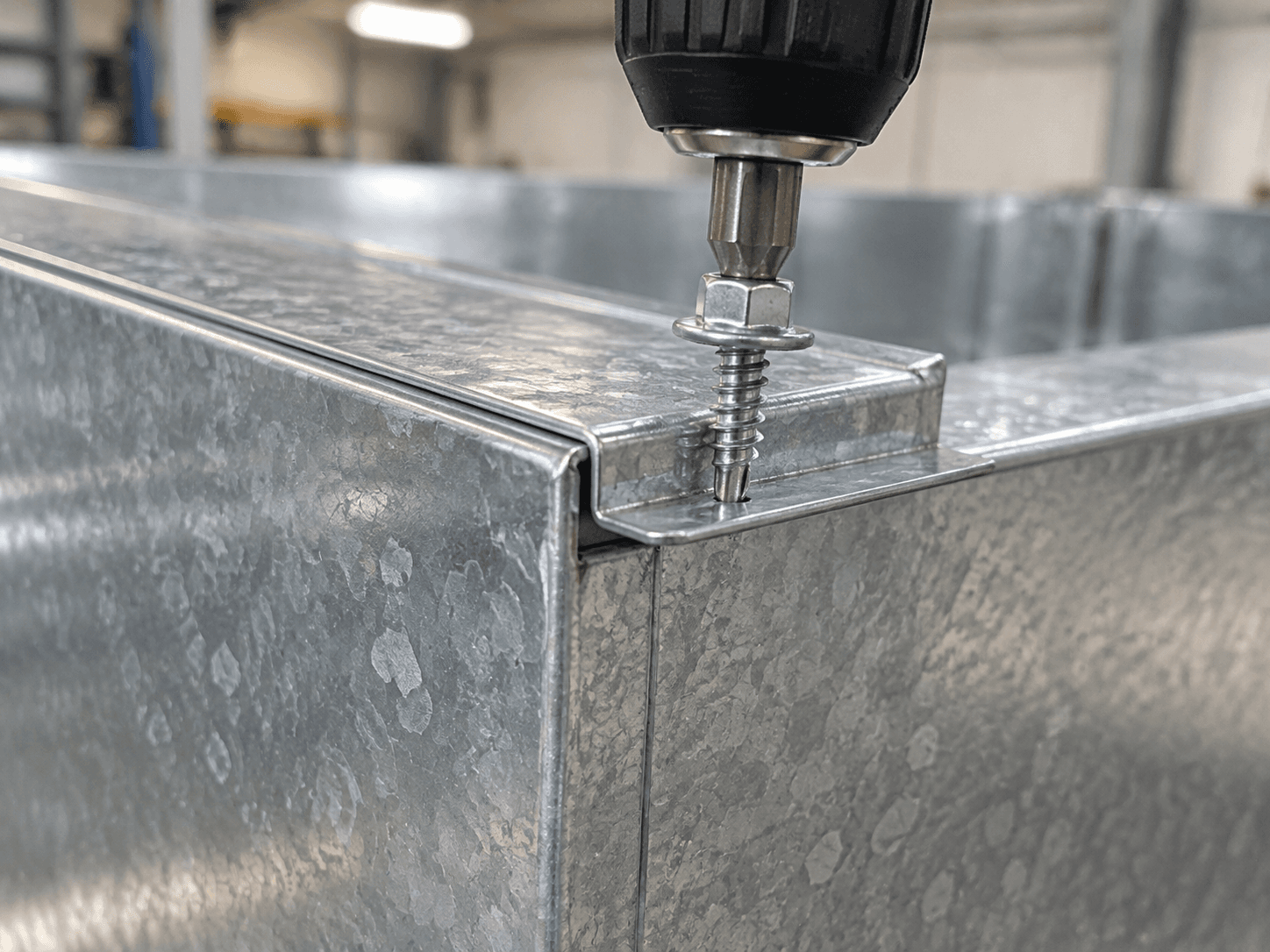
Ductwork Fastening Guide: Selecting HVAC Self-Drilling Screws for Sheet Metal Assembly
In the manufacturing, prefabrication, and on-site installation of HVAC ductwork, fasteners are not minor components that can be selected only by diameter and length. They affect whether duct seams fit tightly, whether fittings remain securely positioned, whether access panels can be repeatedly removed, and whether the system can resist vibration, remain serviceable, and reduce the risk of air leakage. Most duct systems are fabricated from galvanized steel sheet, stainless steel sheet, or other thin-gauge metal materials. Whether the application involves longitudinal seams in rectangular ducts, the assembly of elbows and tees, or the fastening of equipment casings and access panels, the core requirement is reliable metal-to-metal fastening under the intended operating conditions. For industrial sheet-metal applications, Screwtrade's self-drilling screw category provides a useful starting point. However, the final screw specification should always be selected according to the actual joint design.
Complete Guide to Metal Roofing Self-Drilling Screws: Metal-to-Metal, Metal-to-Wood, and Sandwich Panel Fasteners
In pre-engineered steel buildings, warehouses, commercial roofs, and agricultural structures, metal roofing screws are more than ordinary hardware. They directly affect the roof system's waterproofing, wind resistance, corrosion resistance, and service life. Today, buyers are moving beyond asking whether a screw can penetrate a panel. The more important question is whether it can perform reliably with a specific substrate, panel profile, and installation environment. Light-gauge steel purlins, thick steel structures, timber purlins, and insulated sandwich panels all require different drill points, thread designs, screw lengths, and sealing systems. Incorrect self-drilling screws may cause stripped threads, insufficient engagement, panel deformation, failed EPDM washers, or long-term leakage.
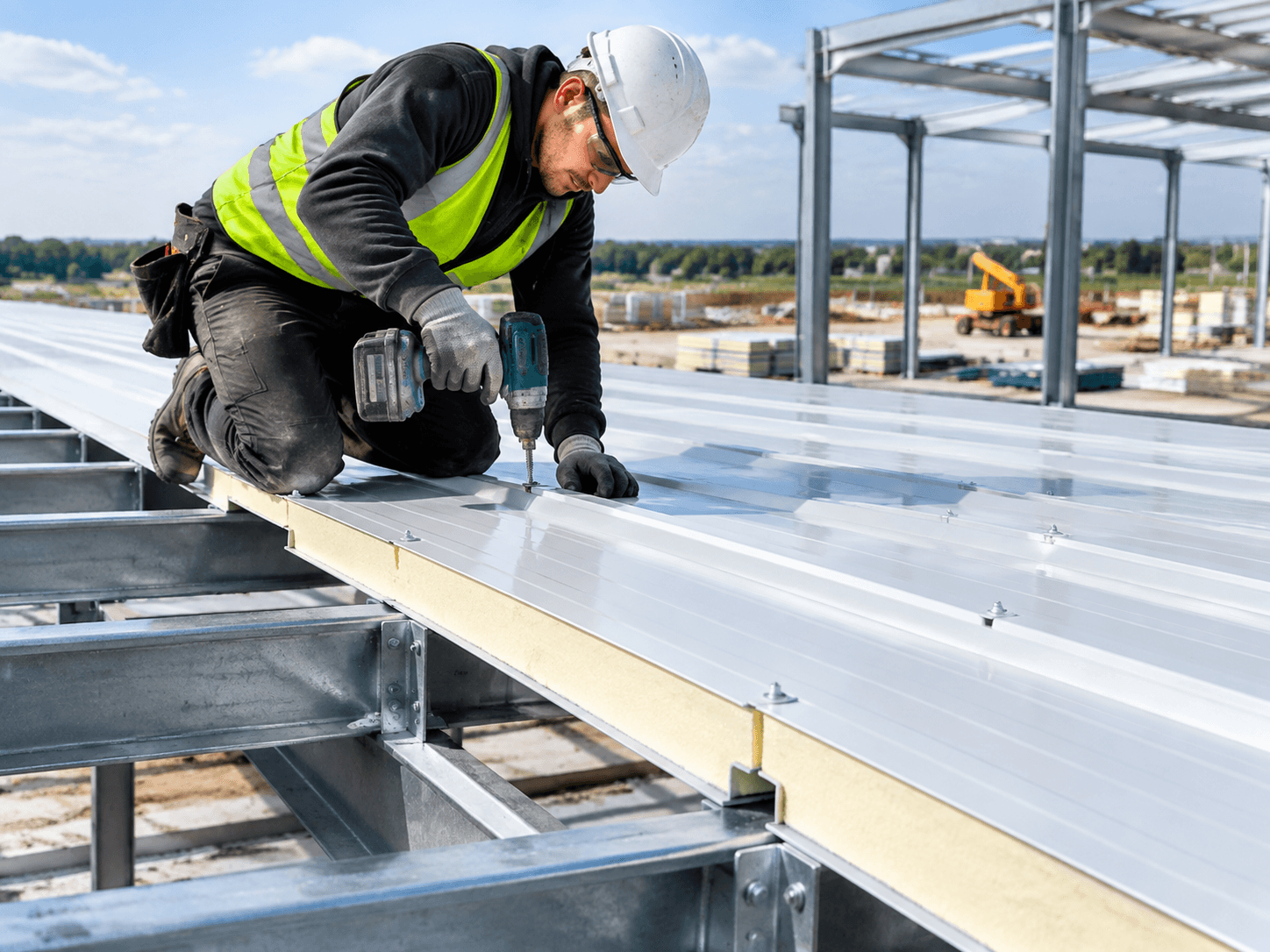
Sandwich Panel Screws: How to Select the Right Length, Drill Point, and Sealing Solution for Steel Structures
In sandwich panel roofing and wall systems, sandwich panel screws are more than simple fasteners. They must pass through the metal facing, insulation core, and inner panel, then secure reliably into steel purlins or another steel substrate. For this reason, screw length, self-drilling points, thread engagement, and EPDM sealing washers must be considered as one complete fastening solution.Selecting screws by diameter or price alone can lead to insufficient fixing strength, poor drilling efficiency, panel deformation, sealing failure, and water leakage. The correct selection process is to confirm the installation structure first, determine the required screw length, and then match the drill point, sealing washer, and corrosion-resistant finish.
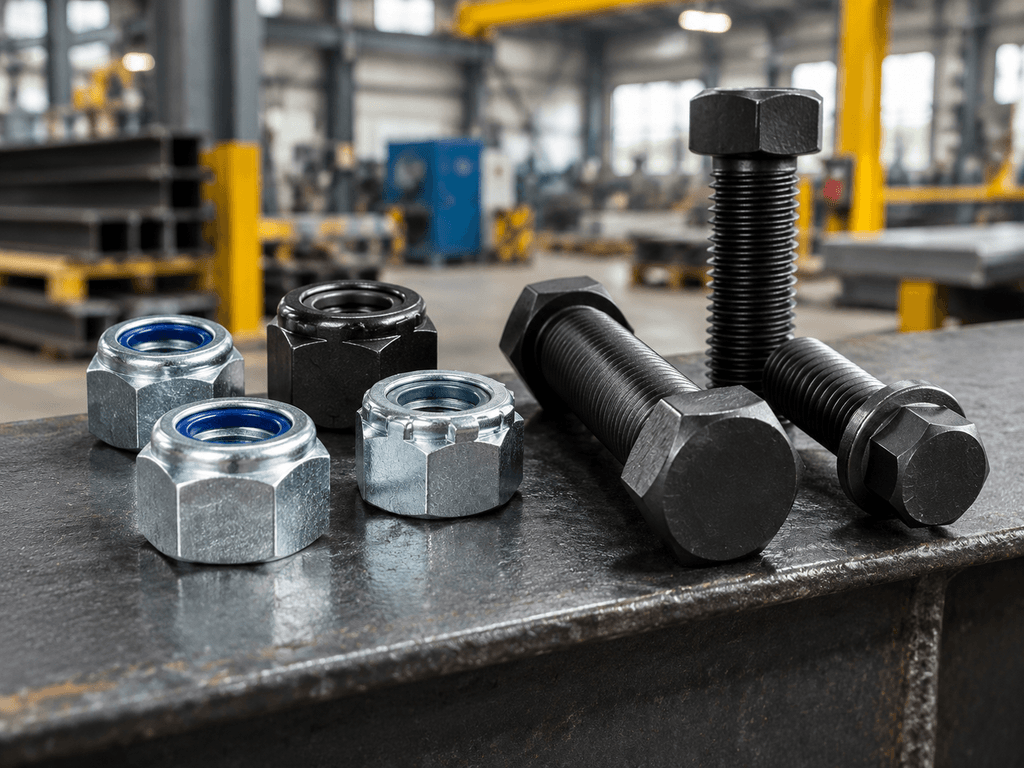
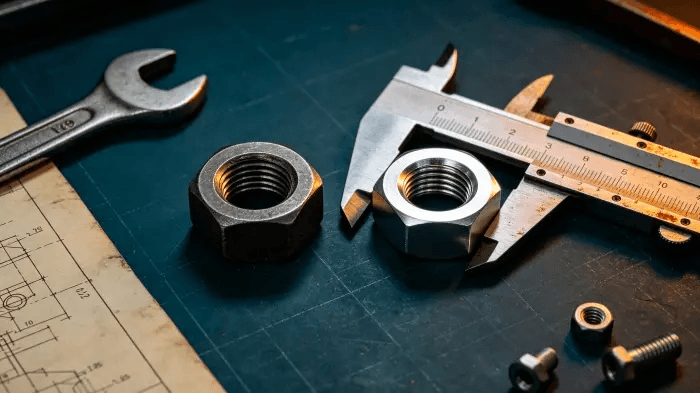
How Anti-Loosening Nuts Prevent Fastener Failure in Machinery and Steel Structures
In industrial manufacturing, energy facilities, logistics systems, construction machinery, and building installation, bolted connections remain one of the most common joining methods. They are easy to assemble, inspect, and replace. However, connection reliability does not depend on bolts and nuts alone. Installation torque, joint surface condition, operating loads, environmental corrosion, and maintenance practices can all affect long-term performance.
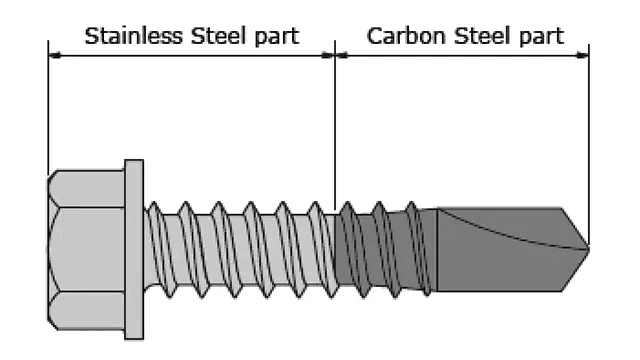
Bi-Metal Self-Drilling Screws: A Corrosion-Resistant Solution for Steel-to-Steel Fastening
As light-gauge steel structures, metal roofing, prefabricated buildings, steel cladding systems, and industrial equipment manufacturing continue to grow, steel-to-steel fastening has become more than simply joining two metal sheets. Installation speed, connection strength, outdoor durability, and lifetime maintenance costs all affect project quality. In humid, coastal, or high-temperature-variation environments, standard carbon steel fasteners can corrode prematurely, while conventional stainless steel screws may not provide the drilling performance needed for direct steel penetration. The industry is therefore moving beyond size and price alone toward more reliable fastening solutions. Bi-metal self-drilling screws combine a stainless steel body with a hardened carbon steel drill point, enabling efficient steel-to-steel fastening without pre-drilling while improving corrosion resistance.
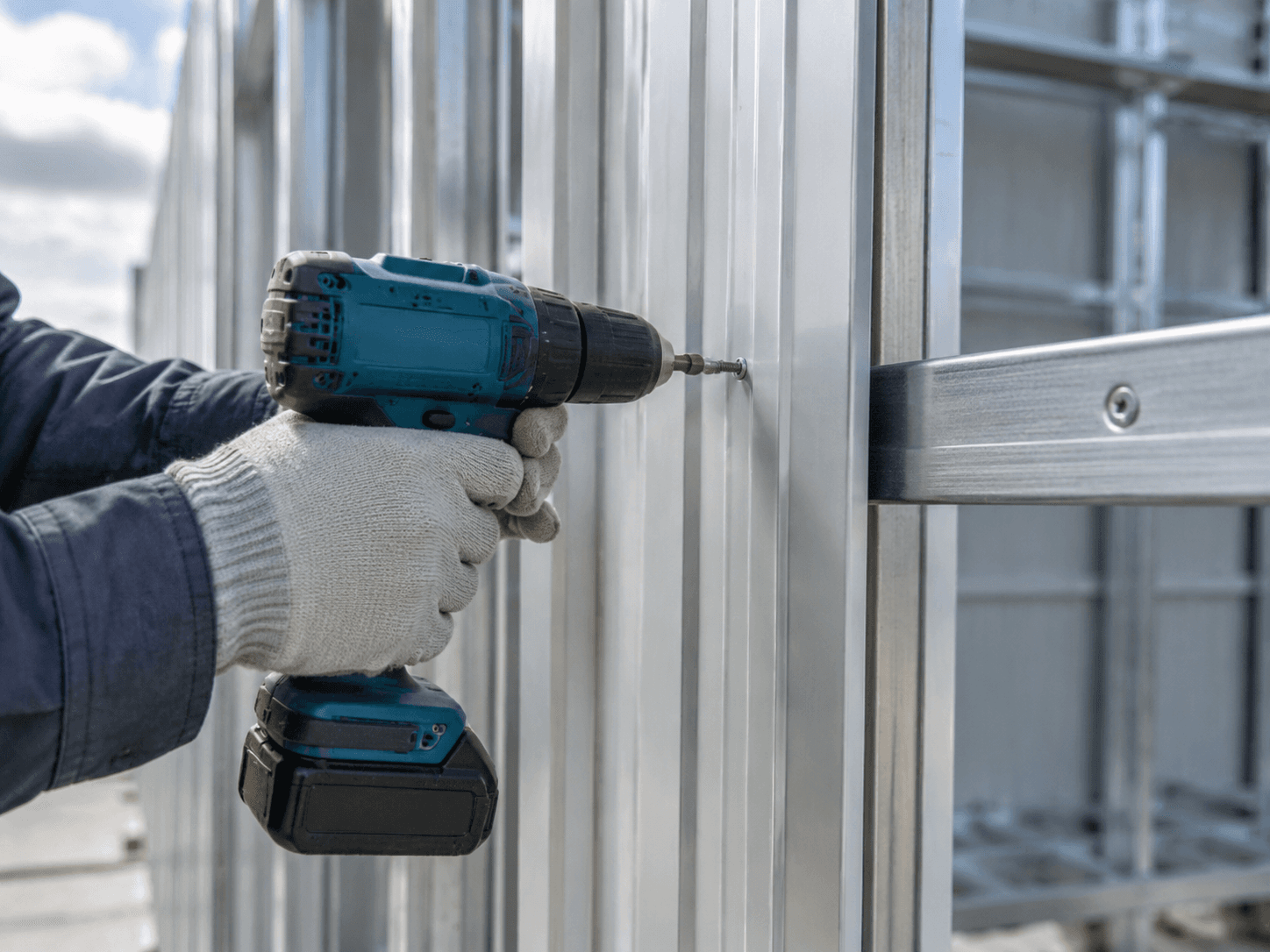
Sheet Metal Screws: Types, Specifications, and Material Selection Guide
Selecting sheet metal screws involves more than choosing a diameter and length. The correct fastener must match the substrate, total steel thickness, required thread engagement, installation method, corrosion conditions, and any sealing requirement.In roofing, cladding, light-gauge steel framing, and industrial assembly, an unsuitable screw can lead to slow installation, stripped threads, oversized holes, leakage, or poor holding performance. A reliable sheet metal screw selection starts with the complete assembly, not the visible panel alone. This guide explains how to select self-tapping screws, self-drilling screws, and Tek screws for practical metal fastening applications.
Types of Screws: Self-Tapping Screws Usage Guide
As light-gauge steel structures, metal roofing, prefabricated buildings, wall cladding systems, and industrial equipment assembly continue to grow, fasteners have become more than basic connection components. They directly affect installation efficiency, structural stability, waterproofing performance, and long-term maintenance costs. When selecting screws, buyers need to consider substrate type, material thickness, installation space, outdoor exposure, and required connection strength.The fastener market is also moving beyond decisions based only on size and price. Material, thread design, head style, coating, sealing performance, and installation efficiency all need to work together. ScrewTrade supplies fastening solutions for roofing, steel structures, cladding, and industrial projects, helping buyers match products to real applications.